Address
No. 3F07, Tao Cube, No.68, CCIH, Jihua West Road,Chancheng District, Foshan City, Guangdong, China.

What Certifications Should a Porcelain Tile Factory Have: ISO CE SGS Guide

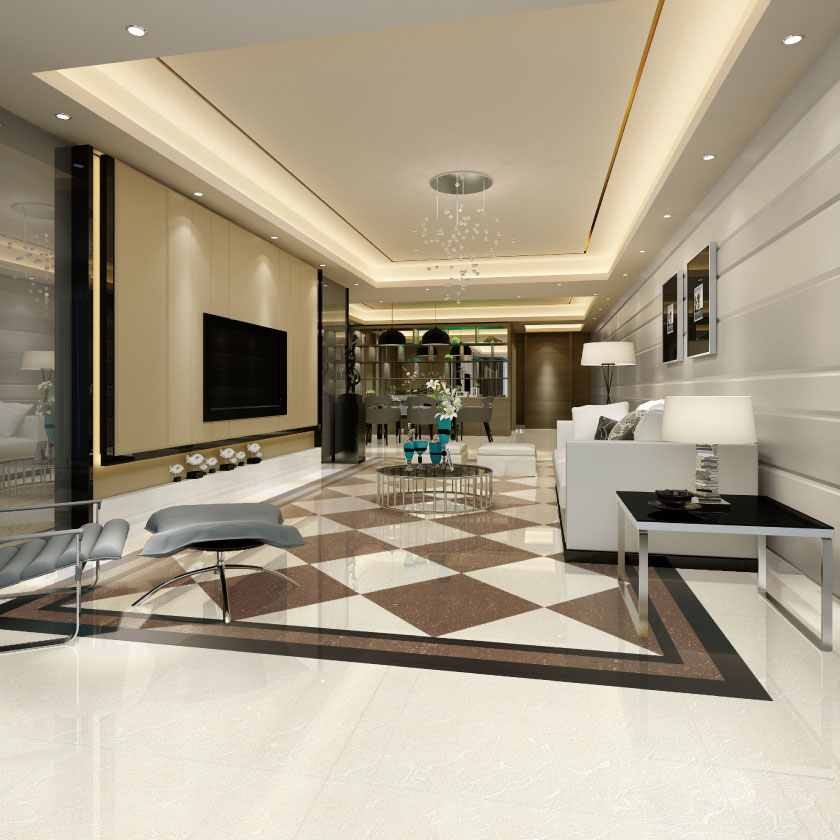
When sourcing porcelain tiles for a major project, the question of what certifications should a porcelain tile factory have quickly rises to the top of your checklist. Certifications are not just a formality — they are the bedrock of trust between buyers and manufacturers. They verify that the tiles meet rigorous standards for quality, safety, and environmental responsibility, saving you from costly surprises after installation. Whether you are a contractor, architect, or importer, understanding these credentials is essential to making an informed purchase decision.
Why Certifications Matter for Porcelain Tile Factory Buyers
(secondary keyword: why certifications matter for tile factory buyers)
The global ceramic tile market is vast, with factories competing on price and turnaround time. Yet, without proper certifications, a low price tag can conceal inconsistencies in color, size, or durability. Why certifications matter for tile factory buyers boils down to three core benefits: risk mitigation, international market access, and long-term project performance.
Quality Assurance and Consistency
Certified factories follow documented processes that ensure each batch matches the previous one. For large format tiles, this consistency is critical — even a 1 mm variance can ruin a pattern. ISO 9001, for instance, requires full traceability from raw material inspection to final packaging.
Regulatory Compliance for International Markets
Countries enforce their own technical requirements. European projects demand CE marking, while North American jobs often require ANSI A137.1. A factory that holds these certifications demonstrates it can clear customs without delay and meet local building codes.
According to the International Trade Centre, 78% of tile importers consider factory certifications a primary factor in supplier selection, ahead of price in many cases.
What ISO Standards for Porcelain Tile Manufacturing Are Most Critical?
(secondary keyword: what ISO standards for porcelain tile manufacturing)
When evaluating a supplier, the first thing to ask is what ISO standards for porcelain tile manufacturing the facility follows. ISO standards are globally recognized benchmarks. Here are the most relevant ones for a porcelain tile factory.
ISO 9001: Quality Management Systems
This is the baseline. ISO 9001 certification indicates that the factory has a structured system for quality control — from raw material testing to final inspection. It also requires continuous improvement processes. For buyers, this means fewer defects and reliable delivery timelines.
ISO 13006: Ceramic Tiles – Definition, Classification, Characteristics and Marking
ISO 13006 is the specific standard for ceramic tiles. It defines groups (e.g., porcelain tile is Group BIa), specifies dimensional tolerances, water absorption limits, and mechanical properties like breaking strength and abrasion resistance. A factory’s products should clearly state compliance with this standard.
ISO 14001: Environmental Management Systems
Environmental responsibility is increasingly important to clients and end-users. ISO 14001 shows that the factory manages waste, energy use, and emissions responsibly. It is often a prerequisite for green building projects.
ISO 45001: Occupational Health and Safety
While not directly about tile quality, this standard signals a well-managed facility with minimal risk of production disruptions due to worker accidents. Responsible buyers consider it a sign of overall operational maturity.
Understanding porcelain tile factory ISO certification requirements helps you filter suppliers before you even request a quote.
Other Essential Certifications for Ceramic Tile Suppliers
(secondary keyword: best certifications for ceramic tile suppliers)
Beyond ISO, there are market-specific and product-specific credentials that mark the best certifications for ceramic tile suppliers.
CE Marking (European Conformity)
For export to the European Union, CE marking is mandatory. It certifies that tiles meet EU health, safety, and environmental directives. For porcelain tiles, this includes slip resistance (DIN 51130), thermal shock resistance, and chemical resistance.
ANSI A137.1 (American National Standard)
In the United States and Canada, ANSI A137.1 sets the standard for ceramic and porcelain tiles. It covers dimensions, warpage, surface finish, and water absorption. Many architects specify ANSI-certified tiles for insurance and liability reasons.
Green Building Certifications (LEED, GreenGuard, FloorScore)
Increasingly, projects require low-VOC emissions and recycled content. GreenGuard and FloorScore certify indoor air quality. LEED points can be earned by using tiles from factories with such certifications.
- GreenGuard Gold: Approved for schools and healthcare facilities.
- FloorScore: Focused on flooring products and their emissions.
- Declare Label: Transparent material ingredient reporting.
How to Verify Tile Factory Quality Certifications
(secondary keyword: how to verify tile factory quality certifications)
Knowing how to verify tile factory quality certifications is just as important as knowing which ones exist. Fake or expired certificates can slip through due diligence. Here is a practical approach.
Request Certificates Directly
Ask the factory for copies of their current certifications. Check the issue and expiry dates. A legitimate certification body (e.g., SGS, TÜV, Bureau Veritas) should be listed. If the factory hesitates to provide documentation, consider it a red flag.
Check Third-Party Audit Reports
Many certification bodies publish audit summaries online. You can search the factory name or certificate number to confirm validity. Some factories also share test reports from independent labs for specific product properties.
Visit the Factory or Request Virtual Tours
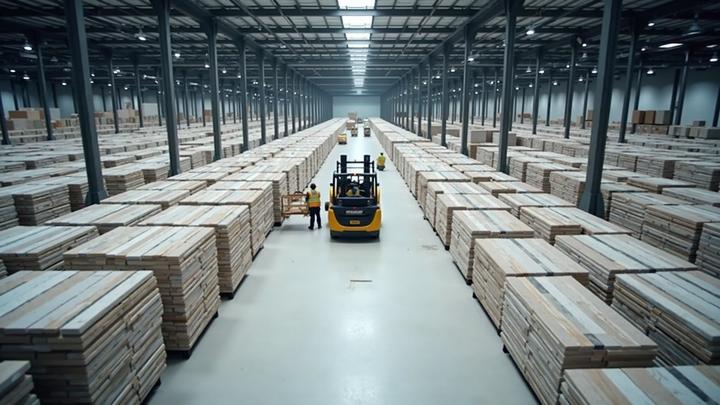
Nothing replaces seeing the production line. If a physical visit is not possible, ask for a recorded video or live tour. A well-organized factory floor with clear labeling and quality checkpoints is a strong indicator of a certification-driven culture.
Check References and Trade Records
Speak to existing international buyers. They can tell you if the factory’s certificates match the product delivered. Also check online trade databases for any complaints or compliance issues.
The Role of a Porcelain Tile Factory ISO Certification Requirements
(secondary keyword: porcelain tile factory ISO certification requirements)
Meeting porcelain tile factory ISO certification requirements is not a one-time event — it is an ongoing process. The factory must undergo surveillance audits annually and recertification every three years. This discipline ensures that quality does not degrade as production scales.
For example, to maintain ISO 9001, a factory must document corrective actions from customer complaints, monitor key performance indicators (e.g., first-pass yield), and conduct internal audits. These practices directly benefit the buyer by reducing defect rates and improving consistency.
A factory that invests in ISO certification is also more likely to invest in modern equipment, such as high-pressure presses and digital inkjet printers, which further enhance product quality.
Why Choose a Factory-Direct Supplier Like Contigo Ceramics
At Contigo Ceramics, we understand that certifications are the currency of trust in the global tile industry. Our factory holds ISO 9001 and ISO 13006 certifications, ensuring every large-format porcelain tile, 20mm outdoor tile, and mosaic meets strict international standards. We also provide CE marking for European projects and can supply products compliant with ANSI A137.1 upon request.
Working directly with the manufacturer means you get not only certified quality but also factory-direct pricing — no middleman markups. Whether you need polished, matt, or textured finishes, our production lines follow the same rigorous protocols that top-tier certifications demand.
To see our certifications and product range, visit our contact page to request documentation. You can also read more about tile quality standards on our blog.
External Reference: ISO 10545 ceramic tile standards
External Reference: International Trade Administration sourcing guides
Conclusion
When you understand what certifications should a porcelain tile factory have, you empower yourself to buy with confidence. From ISO 9001 and ISO 13006 to CE marking and GreenGuard, each certificate serves as a promise — that the tiles you order will perform, comply, and last. Without these credentials, you risk project delays, safety issues, and reputational damage.
Take the time to verify. Ask for certificates, check the certifying body, and talk to the factory’s existing customers. A trustworthy supplier will welcome your scrutiny. At Contigo Ceramics, we encourage you to ask tough questions — because we are proud to answer them.
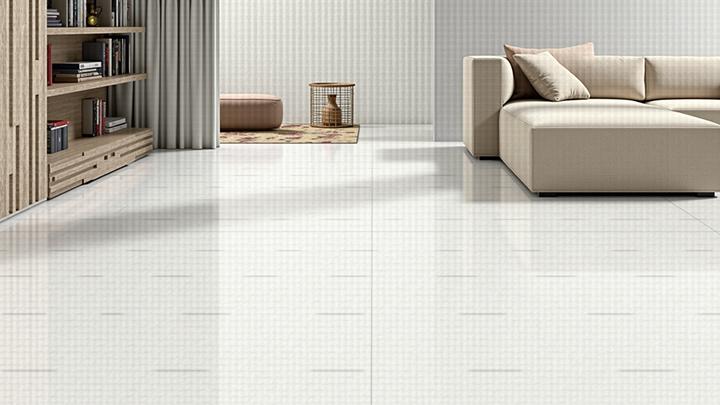
A buyer once saved €40,000 on a hotel project by verifying the factory’s slip resistance certification for outdoor tiles. The certificate revealed the product did not meet the local code, allowing them to switch suppliers before installation.
Ready to source certified porcelain tiles directly from a factory that prioritizes quality? Browse our product range or request a certification package today.