Address
No. 3F07, Tao Cube, No.68, CCIH, Jihua West Road,Chancheng District, Foshan City, Guangdong, China.

The Complete Guide to Tile Installation: Step-by-Step

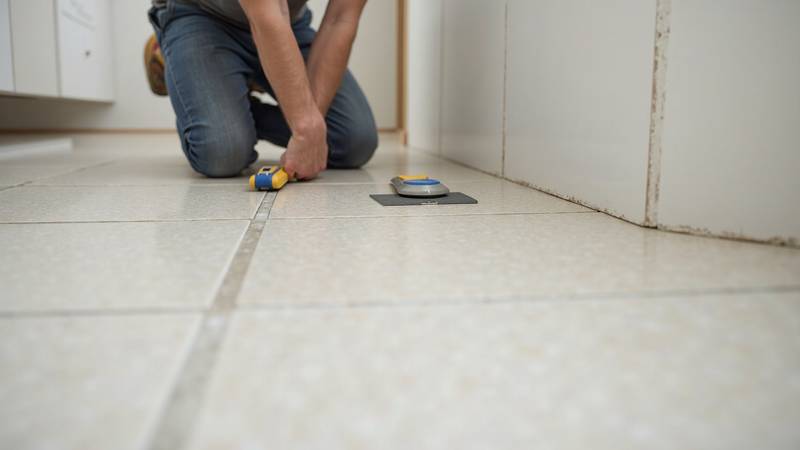
Welcome to the ultimate tile installation guide!
Whether you’re a homeowner tackling your first DIY bathroom project or a contractor managing large-scale tile installations, understanding proper tile installation guide techniques is essential for long-lasting results.
In this comprehensive guide, we’ll walk you through every step from surface preparation to final grouting, using real-world experience from Contigo Ceramics’ technical team. By the end, you’ll know exactly how to install tile like a pro — avoiding the common mistakes that cause 80% of tile failures.
This tile installation guide covers both ceramic and porcelain tiles, large format slabs, and outdoor installations.
1. Why Proper tile installation guide Matters
According to industry data, less than 20% of tile failures are caused by the tiles themselves. The other 80% — the vast majority — stem from improper tile installation guide practices. That’s why choosing the right tile installation guide method makes or breaks the entire project.
A well-installed tile floor lasts 30-50 years. A properly installed porcelain tile or ceramic tile installation can virtually never need replacement. Yet a rushed or incorrect tile installation guide can lead to cracked tiles, lippage (uneven surfaces), hollow spots, and water damage within months.
This guide was created by Contigo Ceramics’ technical team to help you avoid those costly mistakes. Whether you’re working with large format tiles (600×1200mm, 800×1600mm, 1200×2400mm), standard ceramic tiles, or outdoor porcelain pavers, proper tile installation guide is universal.
2. Essential Tools for tile installation guide
Before you begin any tile installation guide project, gather these essential tools. Skipping the right equipment is the first step toward failure.
Core Installation Tools
- Notched trowel (10-12mm) — For large format tiles; 6-8mm for standard ceramic. The notch size determines mortar thickness and coverage.
- Wet saw with diamond blade — Required for cutting porcelain tile and large format slabs. A manual snap cutter works only for thin ceramic.
- Tile leveling system — Clips and wedges to prevent lippage on rectified tiles and slabs over 600×600mm.
- Rubber mallet — For gently tapping tiles into place without cracking.
- Spirit level (2-3ft) — Check flatness constantly during installation.
- Grout float — Rubber base for applying grout diagonally across joints.
- Tile spacers — 1.5-3mm for rectified porcelain; 3-5mm for standard ceramic.
- Bucket and mixing paddle — For thinset mortar and grout.
- Diamond hole saw — For cutting clean holes around pipes and fixtures.
- Damp sponges — At least 3 clean sponges for grout cleanup.
Surface Prep Materials
- Cement backer board — For floor installations. Never install tile directly over wood subfloor.
- Tile adhesive / thin-set mortar — Modified thinset for porcelain; unmodified for natural stone.
- Waterproofing membrane — Mandatory for shower floors and wet areas.
- Alkali-resistant mesh tape — For backer board joints.
- Grout (sanded or unsanded) — Sanded for joints >3mm; unsanded for joints <3mm.
- Penetrating sealer — For unglazed porcelain and natural stone.
3. Surface Preparation: The Foundation of Success
The golden rule of tile installation guide: If the substrate fails, the tile fails. No matter how expensive your tiles are, poor preparation = disaster eventually.
Subfloor Requirements
Before laying a single tile, your substrate must meet these specifications:
- Deflection limit: Maximum L/360 for standard tile; L/720 for large format tiles. This means joists shouldn’t deflect more than 1/360th of their span under load.
- Flatness: No more than 3mm (⅛”) variance over 2 meters (6 feet). For tiles over 600×600mm, aim for 1.5mm over 2m.
- Cleanliness: No dust, oil, wax, paint, old adhesive, or sealers. These prevent proper mortar adhesion.
- Structural integrity: No loose boards, rot, or movement. Reinforce before starting.
Installing Cement Backer Board
For floor tile tile installation guide, never install directly onto wood subfloor. Always use cement backer board as a stable, water-resistant base:
- Leave 3mm (1/8″) gaps between backer board sheets and at walls.
- Screw every 200mm (8″) along edges and 300mm (12″) in the field using backer board screws.
- Apply alkali-resistant mesh tape over all joints.
- Thin-set the tape with mortar and smooth with 6″ drywall knife.
- Let cure 24 hours before tile installation.
Waterproofing Wet Areas
For bathrooms, showers, and any area exposed to water, waterproofing is not optional — it’s mandatory:
- Apply liquid waterproofing membrane to all seams and corners.
- Install fabric reinforcement at inside corners and changes of plane.
- Two coats recommended, allowing each to dry completely per manufacturer instructions.
- Mandatory for shower floors, tub surrounds, and wet room construction.
4. Planning Your Tile Layout Before tile installation guide
The #1 mistake DIYers make: starting tile installation guide from a wall without planning. Never cut tiles last — plan the cuts first to hide them in less visible areas.
Find the True Center
- Measure the midpoint of each wall and snap chalk lines across the room.
- The intersection is your starting point — not a corner!
- Dry-lay tiles from center toward walls to visualize cut sizes.
The “No Tiny Cuts” Rule
If your layout produces cut tiles smaller than ½ tile width at perimeter walls, shift the starting point by half a tile width. Tiny slivers look unprofessional and are prone to cracking.
Choosing Your Pattern
| Pattern | Difficulty | Best For |
|---|---|---|
| Running Bond (Brick) | Intermediate | Wood-look planks, standard rectangles |
| Straight Grid | Beginner | Large format, small rooms |
| Diagonal | Advanced | Making rooms appear larger |
| Herringbone | Expert | Feature walls, high-end residential |
| Modular / Basketweave | Intermediate | Mixed-size designs |
5. The Step-by-Step tile installation guide Process
Step 1: Mix Thin-Set Mortar Correctly
The consistency should be like peanut butter: firm enough to hold a notch when the trowel is lifted, but not so stiff that it crumbles.
- Follow manufacturer water-to-powder ratio precisely — too much water weakens bond; too little won’t spread smoothly.
- Let mortar “slake” (rest) 10 minutes after initial mixing, then remix briefly before use.
- Never add more water to slaked mortar — discard it and restart.
Step 2: Apply Mortar with Proper Coverage
- Use your notched trowel at a 45-degree angle to the substrate.
- Spread mortar over an area you can tile in 15-20 minutes (about 1m² / 10 sq ft) before it skins over.
- Comb in one direction for uniform ridges — don’t circular motion, which collapses ridges.
- For large format tiles (over 600×600mm): also “back-butter” the tile by spreading a thin layer of mortar on the back.
Step 3: Set Tiles and Check Coverage
This is the most critical step in tile installation guide:
- Place each tile with a slight twisting motion to collapse ridges and ensure 100% mortar contact.
- Use tile spacers at every corner to maintain consistent grout lines.
- Tap gently with rubber mallet to level the tile with neighbors.
- Use a spirit level every 3-4 tiles to check for flatness across the entire surface.
- After setting 1-2 tiles, lift one up to check coverage. You want 80-90% mortar transfer on the back. For wet areas (showers), aim for 95%+.
- Add more mortar and retry if coverage is low. Never skip this check!
Step 4: Cutting Tiles
- Straight cuts: Manual snap cutter for thin ceramic (<6mm); wet saw for porcelain and large format.
- L-shaped notches: Angle grinder with diamond blade.
- Round holes (pipes, fixtures): Diamond hole saw (50-150mm) or jigsaw with diamond blade.
- Complex shapes: Angle grinder or wet saw — go slow to avoid cracking.
Step 5: Let Mortar Cure (Critical!)
Do NOT walk on newly tiled floors or apply grout until the mortar has cured:
- Standard thinset: Wait 24 hours minimum before grouting.
- Large format / heavy stone: Wait 48 hours.
- Heavy foot traffic: Wait 72 hours unless using rapid-cure mortar rated for early use.
6. Grouting: The Final Finish
When to Grout
Wait at least 24 hours after the last tile is set. Clean any mortar residue from the joints with a grout saw or utility knife — grout won’t bond to mortar.
Choosing Grout Color and Type
- Sanded grout: For joints 3mm (⅛”) and wider. Sand prevents cracking in wide joints.
- Unsanded grout: For joints less than 3mm. Won’t scratch delicate tile surfaces.
- Color choice: Match tile for seamless look; contrast for grid pattern effect. Darker grout shows less staining.
- Epoxy grout: Premium option for high-traffic/wet areas. Stain-proof but harder to work with.
Grout Application Technique
- Mix grout to smooth, toothpaste-like consistency. Let slake 5-10 minutes.
- Apply diagonally across the joints with a rubber grout float at 45-degree angle.
- Force grout deep into joints by scraping float with the edge, not flat.
- Remove excess grout by holding float at 90-degree angle and squeegeeing across joints.
Cleaning and Finishing
- Wait 15-20 minutes for grout to firm up (haze will form).
- Wipe diagonally with a damp sponge — never parallel, or you’ll pull grout out of joints.
- Rinse sponge frequently in clean water. Change water often to keep it clear.
- After 2-3 passes, buff off haze with a soft dry cloth.
- Wait 2 hours before light use; 24 hours before heavy use.
7. Sealing: Protect Your Investment
Grout sealing is mandatory for wet areas, optional but recommended for floors:
- Wait 72 hours after grouting before sealing (let grout fully cure).
- Pour or brush sealer directly onto grout lines.
- Let penetrate 5-10 minutes, wipe excess immediately with clean cloth.
- Reapply annually in high-traffic/wet areas.
8. Common tile installation guide Mistakes (And How to Avoid Them)
Mistake #1: Lippage (Uneven Tiles)
What it looks like: Tiles are not flush — sharp edge changes between them.
Caused by: Uneven substrate, insufficient mortar coverage, or no leveling system.
Fix: Use a tile leveling system (clips and wedges) for rectified tiles and slabs. Check flatness constantly.
Mistake #2: Hollow-Sounding Tiles
What it is: Tiles make a drum-like sound when tapped.
Caused by: Too little mortar, thin ridges not collapsed, grime on substrate.
Fix: Back-butter large tiles. Ensure 85%+ coverage by lifting first tile. Clean substrate thoroughly before starting.
Mistake #3: Cracked Tiles
What it is: Tiles crack during or after installation.
Caused by: Subfloor deflection, cutting from wrong side, thermal stress.
Fix: Reinforce weak subfloors. For porcelain, cut from the top to prevent chipping. Leave expansion joints at perimeters.
Mistake #4: Grout Cracking or Falling Out
What it is: Grout crumbles or detaches from joints.
Caused by: Too much water in mix, not enough curing time, not removing mortar from joints.
Fix: Follow water ratios precisely. Wait 72+ hours before sealing. Clean mortar from joints before grouting.
Mistake #5: Grout Staining
What it is: Grout turns yellow or discolored quickly.
Caused by: Not sealing within 72 hours, dirty water during cleanup, porous grout in wet areas.
Fix: Seal immediately after curing. Use epoxy grout for showers. Change water frequently during cleanup.
9. tile installation guide Timeline: When Can You Use the Floor?
| Time After Installation | Status |
|---|---|
| 0-24 hours | ❌ No traffic allowed at all. |
| 24-48 hours | ⚠️ Light foot traffic with protection only. |
| 48-72 hours | ✅ Normal foot traffic permitted. |
| 7 days | ✅ Heavy furniture can be placed (with pads). |
| 14 days | ✅ Grout fully cured for sealing. |
| 28 days | ✅ Complete cure — ready for full use. |
10. DIY vs. Professional tile installation guide: When to Hire?
DIY-Friendly Projects
- Small rooms (<15m² / 160 sq ft): laundry room, half bath, small powder room
- Kitchen backsplashes (easy wall tile)
- Small accent feature walls with standard ceramic
- Patios with interlocking pavers (no mortar)
Hire a Professional For:
- Commercial installations (>100m² / 1000 sq ft)
- Shower pans, wet room construction, waterproofing
- Expensive natural stone or premium porcelain
- Heated floor systems
- Complex patterns (herringbone, parquet, mixed tiles)
- Large format tiles (600×1200mm and larger) — requires specialized equipment
- Subfloor repair or leveling work
11. Frequently Asked Questions About tile installation guide
Q: How long does a typical tile installation guide project take?
A: A standard 12m² bathroom floor takes:
- Day 1: Subfloor prep, backer board installation, waterproofing
- Day 2: Tile setting (mortar cures overnight)
- Day 3: Grouting, cleanup, and light use
- Day 4-7: Full curing, heavy use, and sealing
Q: Can I install tile over existing tile?
A: Yes, if the existing tile is:
- Well-adhered (no hollow spots when tapped)
- Clean and free of wax or sealers
- Flat within 3mm over 2m
However, this raises floor height and isn’t recommended for wet areas. Use a uncoupling membrane (like Schluter-DITRA) for best results.
Q: What’s the best tile for bathroom floors?
A: For bathroom floors, look for:
- PEI Rating: 3 or higher (residential traffic)
- Slip Resistance: R10 or above (preferably R11)
- Material: Glazed porcelain with through-body color
- Finish: Matte or textured (not polished) for wet areas
Q: How do I cut tile around a toilet flange or pipe?
A: Use a diamond hole saw attachment on your drill or angle grinder. Mark the pipe position on the tile, drill progressively larger holes until you reach full size. Smooth the edge with a rubbing stone.
Q: Can I use tile installation guide methods for outdoor pavers?
A: Not exactly. Outdoor tile requires a different base system:
- Gravel and sand base (not mortar)
- Pavers set with flexible jointing sand
- Positive slope (1-2% grade) for drainage
- Perimeter edging to prevent spread
12. Maintenance Tips After tile installation guide
First Week: No Wet Mopping
For the first 7 days after grouting:
- Dry mop or vacuum only to remove dust.
- No water, no cleaning products.
- Allow grout to cure fully — water can rehydrate and weaken it.
Ongoing Maintenance
- Weekly: Damp mop with pH-neutral tile cleaner. Avoid vinegar, bleach, or ammonia.
- Monthly: Deep clean with tile-specific cleaner. Brush grout lines with soft brush.
- Annually: Reseal grout in high-traffic/wet areas.
- Spills: Wipe immediately on unsealed grout. Porcelain is stain-resistant; unsealed ceramic needs prompt cleanup.
Final Thoughts on tile installation guide
Proper tile installation guide is where art meets engineering. Every step from substrate prep to final grout sealing contributes to whether your tile installation lasts a decade or a century.
When in doubt, follow manufacturer instructions, use quality materials, and don’t rush the cure times. And if you’re ever unsure about your substrate’s flatness or structural integrity — call a professional. Your tile investment is worth protecting.
Need Professional Advice?
Contigo Ceramics’ technical team has 20+ years of experience in tile manufacturing and distribution. We can advise on:
- Tile selection for your specific application
- Installation best practices for large format porcelain
- Waterproofing requirements for wet areas
- Material quantities and ordering
Reach out to us for a free consultation — we’re here to help you succeed.
🎯 Ready to start your tile project?
Contact Contigo Ceramics at [email protected] or browse our tile collection. We ship worldwide with competitive FOB/CIF pricing.
Quality tiles • Expert advice • Trusted supplier
Recommended Reading (Internal Links)
- Porcelain Tile vs Ceramic Tile: Complete Comparison Guide — Understand the key differences between these two types of tiles.
- Large Format Tile Collection — Explore our premium slabs from 600×600mm to 1200×2400mm.
- Outdoor Porcelain Tiles — Freeze-thaw resistant tiles for patios, pools, and driveways.