Address
No. 3F07, Tao Cube, No.68, CCIH, Jihua West Road,Chancheng District, Foshan City, Guangdong, China.

Importing Sintered Stone Slab to United Arab Emirates — Regulations, Tariffs & Market Trends 2026

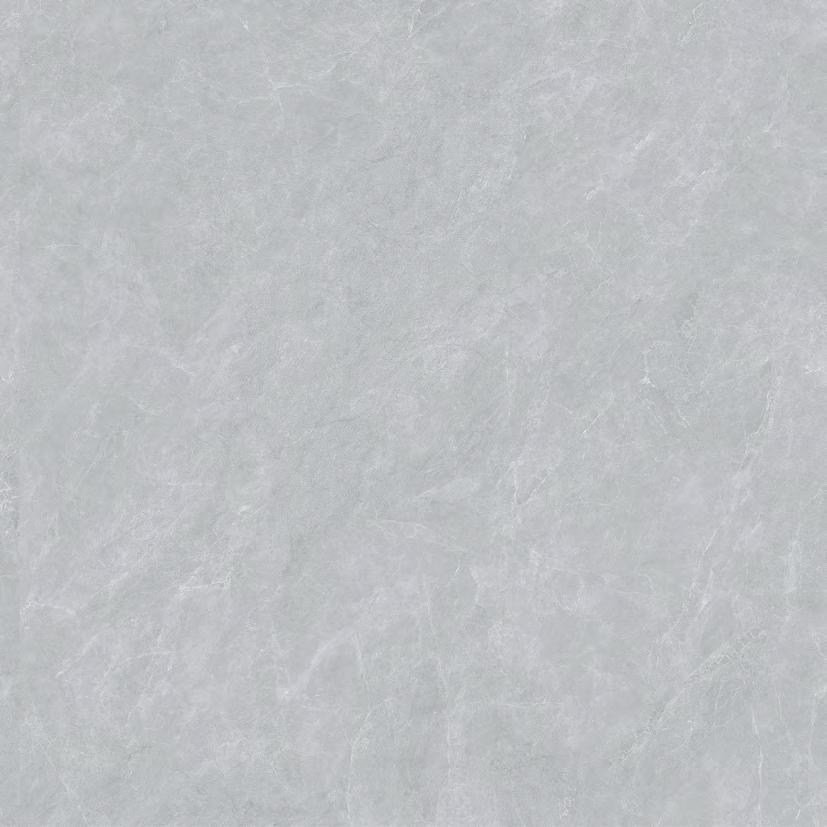
Market intelligence for importers, distributors, and project specifiers evaluating sintered stone slab procurement into the UAE.
1. United Arab Emirates Tile Import Market Overview
As of 2026, the United Arab Emirates remains the largest re‑export hub and end‑use market for porcelain, ceramic, and sintered stone slabs in the Middle East. According to UAE Federal Competitiveness and Statistics Authority, total imports of ceramic tiles and slabs (HS 6907 & 6908) exceeded 1.2 billion m² in 2025, with sintered stone slabs accounting for an estimated 8–10% of that volume, up from 3% in 2020. The compound annual growth rate (CAGR) for sintered stone imports into the UAE is forecast at 12‑15% through 2028, driven by high‑end hospitality, luxury residential, and commercial façade projects in Dubai, Abu Dhabi, and Sharjah.
Key importers range from large building materials merchants (e.g., Emirates Building Materials, Al Futtaim Group) to specialized stone and tile distributors serving architects and interior designers. The average import price for a 3 mm – 30 mm sintered stone slab landed in Jebel Ali is USD 18–35/m², depending on surface finish (polished, matt, textured) and size. Factory‑direct pricing from Foshan‑based producers like Contigo Ceramics can reduce that cost by 20–25% compared to buying through regional wholesalers.
2. Import Regulations – HS Codes, Duty Rates & Certifications
All sintered stone slabs imported into the UAE must be declared under the GCC Harmonized System. Below is the definitive duty and certification table as of 2026.
| HS Code | Description | Duty Rate (GCC) | VAT | Required Certifications |
|---|---|---|---|---|
| 6907.21.00 | Sintered stone slabs, ≥7 mm thickness, polished or glazed | 5% CIF value | 5% | GCC Conformity Mark (G‑Mark), ISO 10545‑1 to ‑16, ESMA (Emirates Authority for Standardization) |
| 6907.22.00 | Sintered stone slabs, 3–7 mm thickness, used for façades | 5% CIF value | 5% | G‑Mark, ISO 10545, fire resistance classification (EN 13501) |
| 6908.90.00 | Finished stone slabs (edges worked, cut to size) | 5% CIF value | 5% | G‑Mark, ISO 10545, TCNA/ANSI A137.1 (if specified by project) |
Note: All containers must be accompanied by a Certificate of Origin (GCC‑approved) and a Bill of Lading. UAE customs also inspect random shipments for compliance with ESMA’s tile‑standard specification (UAE.S 5010:2023). Failure to produce a valid G‑Mark or test report can result in shipment hold or re‑export.
3. Certification Requirements Specific to the UAE
Every sintered stone slab entering the UAE must meet the following mandatory and project‑specific certifications:
- G‑Mark (Gulf Conformity Mark): Required under the GCC Regulation for Building Materials. Issued by an accredited body (e.g., TÜV Rheinland, SGS) based on ISO 10545 and UAE.S 5010. Without the G‑Mark, customs clearance is blocked.
- ISO 10545 (Parts 1–16): Tests for moisture absorption, modulus of rupture, abrasion resistance, chemical resistance, and linear thermal expansion. UV resistance (Part 16) is mandatory for exterior applications.
- TCNA/ANSI A137.1: While not mandatory, many UAE specifiers (especially for government projects and LEED‑rated buildings) require compliance with US tile standards. Contigo Ceramics manufactures slabs that pass both ISO and ANSI A137.1 criteria.
- CE Marking (optional but market‑preferred): Although not a legal requirement inside the UAE, clients in high‑end hospitality often mandate CE declaration of performance (DoP) to European harmonised standard EN 14411.
Important: The UAE does not require SONCAP (which is specific to Nigeria) or any ANSI‑certification body issued from the US. Only G‑Mark with supporting ISO reports is mandatory. However, we recommend reviewing TCNA’s guidelines for compatibility with US‑designed projects.
4. Shipping & Logistics – Transit Time, Ports & Documentation
For importers sourcing from Foshan, the typical logistics chain is straightforward:
- Main departure port: Huangpu (Guangzhou) or Shekou (Shenzhen), China.
- Arrival ports in UAE: Jebel Ali (Dubai) – 85% of all Asian‑sourced tile enters here; Khalifa Port (Abu Dhabi) for projects in the capital.
- Transit time: 18–22 days direct; 25–32 days if transshipped via Singapore or Colombo.
- Production lead time: 25–35 days from order confirmation, depending on colour/finish availability.
- MOQ: One 20‑foot container (approx. 1,000 m² of 6 mm slabs) – fully packed in plywood crates.
- FOB terms: FOB Huangpu/Foshan – you arrange ocean freight and insurance.
Documentation required for UAE customs:
- Commercial Invoice (2 originals)
- Packing List (detailed with weight, dimensions, HS code per carton)
- Bill of Lading (Ocean or Multimodal)
- Certificate of Origin (GCC format, stamped by China Chamber of Commerce)
- G‑Mark Certificate (or UAE.S 5010 test report)
- Insurance Certificate (if b your terms)
All documents must be submitted to UAE customs portal (E‑CLEAR) before vessel arrival. Delays in documentation can incur demurrage charges of USD 80–120 per container per day at Jebel Ali.
5. Market Trends – What Sintered Stone Slab Is Selling in UAE Right Now
Based on distributor feedback and project awards in 2025–2026, the fastest‑moving sintered stone slab categories are:
- Ultra‑thin slabs (3–6 mm): Used for kitchen worktops, furniture fronts, and thin cladding. Demand is driven by the “biophilic luxury” trend in Dubai villa interiors. Colour preference: Calacatta gold, Statuario, and Nero Marquina.
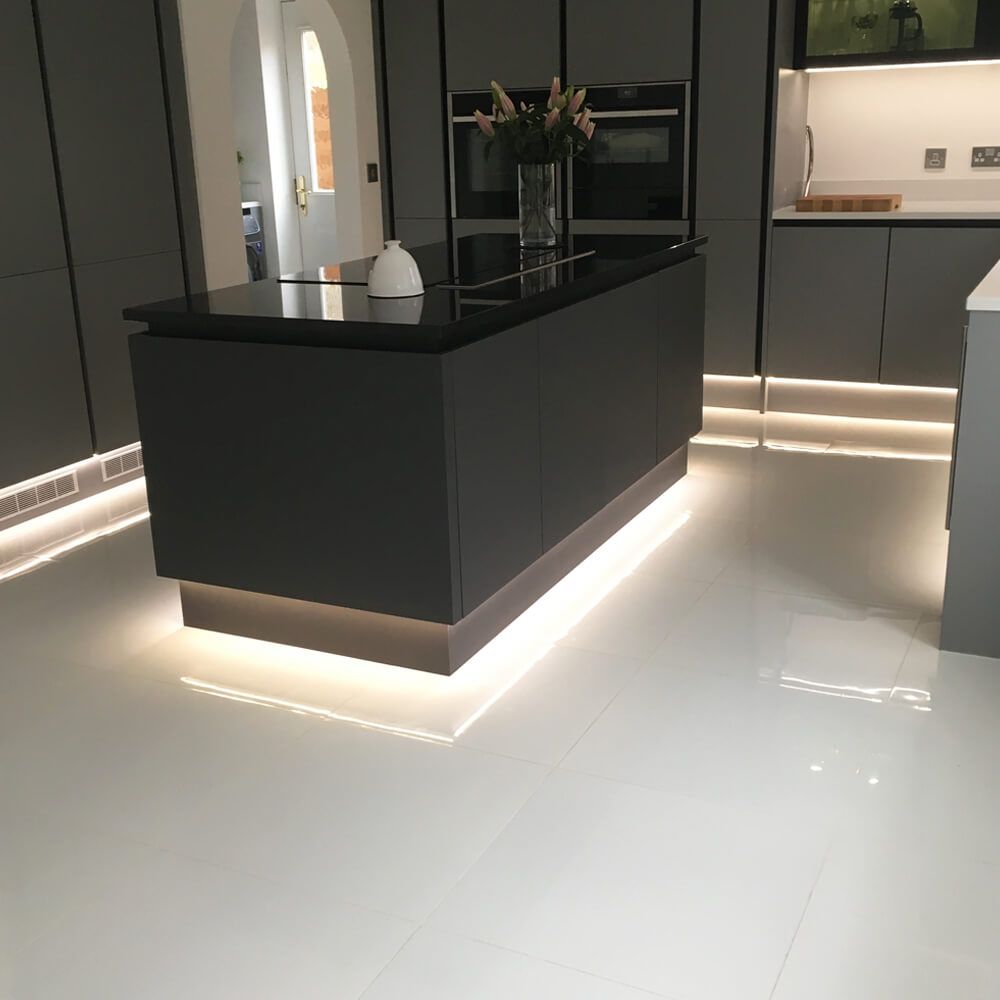
- Large‑format panels (1600×3200 mm and 1200×3000 mm): Specified for seamless floor‑to‑wall installations in hotel lobbies. Matte and leather finishes are replacing high‑gloss in 2026.
- Outdoor‑rated slabs: UV‑stable, frost‑resistant (ISO 10545‑16) for swimming pool surrounds and garden patios. Terrazzo and concrete‑look finishes lead sales.
- Thin (>12 mm) structural slabs: Used in ventilated façades for commercial towers. Demand is price‑sensitive; buyers compare FOB prices of Chinese factories against Italian brands.
Importers are increasingly ordering full container loads of large‑format sintered stone slabs with factory‑finished edges, reducing local processing costs. The glazed tile segment is complementary but less relevant for the high‑end slab market.
6. How Factory‑Direct Sourcing Changes the Competitive Landscape
Historically, UAE importers sourced sintered stone through multiple layers: Chinese factories → Hong Kong traders → regional distributors in Dubiotech or Ajman. Each layer added 10–15% margin. Today, direct factory partnerships with ISO‑certified Chinese producers like Contigo Ceramics compress that chain.
Key competitive advantages of factory‑direct sourcing:
- Cost reduction: Typical FOB price for a 6 mm, 1600×3200 mm sintered stone slab (polished) is USD 12–15/m². The same slab from a Dubai‑based stockist sells at USD 20–28/m².
- Customisation: Factories in Foshan can produce custom colours, sizes, and thicknesses with 25‑day lead time – a major advantage over Italian mills that require 8–12 weeks.
- Certification ready: Contigo Ceramics holds both ISO 10545 and TCNA/ANSI A137.1 certifications, ensuring compliance with UAE and international project specs without additional testing.
- Consolidation possibilities: Combine sintered slabs with polished porcelain tile in the same container to improve volume and reduce per‑square‑foot freight cost.
7. FAQ – Importing Sintered Stone Slabs to UAE
Q1: What is the exact duty rate for sintered stone slabs under HS 6907.21.00?
5% CIF value + 5% VAT. No anti‑dumping duties apply on Chinese‑origin tile products (as of 2026). Always confirm with your customs agent – duty can vary if the slab is declared as “finished stone” (HS 6802) instead.
Q2: Is a G‑Mark certificate required for small sample shipments?
For commercial samples (less than 5 m² in a pallet), the G‑Mark is not mandatory. However, UAE Customs may still request a test report. We recommend attaching an ISO 10545 test report to every sample shipment to avoid delays.
Q3: Can I import non‑standard sizes (e.g., 2400×1400 mm)?
Yes, as long as they are safely crated. Most UAE projects specify 3200×1600 mm or 3000×1500 mm. Contigo Ceramics produces custom sizes on a MOQ basis – contact our sales team for details.
Q4: What payment terms do Chinese factories offer to UAE importers?
Typical is 30% T/T deposit, 70% against copy of B/L. For established buyers with credit history, some factories offer L/C at sight. Contigo Ceramics works on T/T for first orders; after two containers, we can discuss net‑45 with credit insurance.
8. Ready to Source Factory‑Direct Sintered Stone for UAE?
If you are an importer, distributor, or project specifier evaluating sintered stone slabs for the UAE market, we invite you to contact our export team. We provide market‑specific FOB pricing, full G‑Mark documentation, and 25‑day production lead time from our Foshan factory.
Send your enquiry with target colour, thickness, and quantity – we’ll reply within 24 hours with a commercial invoice and certificate references.
Contact Us for UAE FOB Pricing
Contigo Ceramics – 20+ years of manufacturing excellence in Foshan, China. ISO 10545 & ANSI A137.1 certified. MOQ one 20ft container. FOB Huangpu/Foshan.