Address
No. 3F07, Tao Cube, No.68, CCIH, Jihua West Road,Chancheng District, Foshan City, Guangdong, China.

Large Format Porcelain Tile: The Complete Guide for 2026

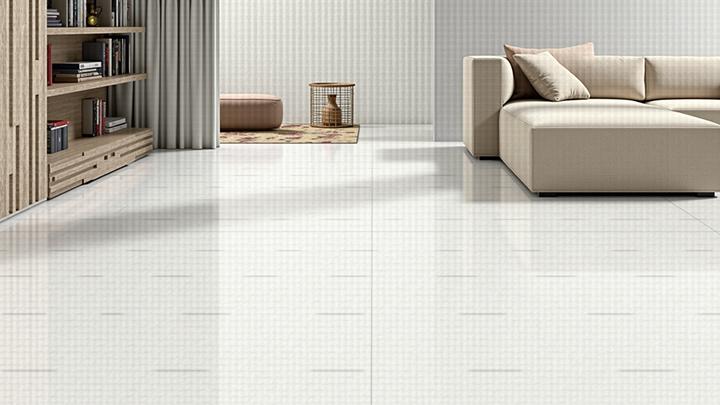
What Is Large Format Porcelain Tile?
Large format porcelain tiles are defined as any tile with at least one side measuring 15 inches (380mm) or larger. Common sizes include 24×24 inches (600x600mm), 24×48 inches (600x1200mm), and the increasingly popular 48×96 inches (1200x2400mm) slab tiles.
These oversized tiles have transformed modern interior design by creating seamless, expansive surfaces with minimal grout lines. The result? A clean, sophisticated aesthetic that makes any space feel larger and more luxurious.
Why Choose Large Format Tiles Over Standard Sizes?
1. Fewer Grout Lines, Easier Maintenance
Standard 12×12 inch tiles have significantly more grout joints per square foot than their large format counterparts. Grout lines are the weak points in any tiled surface—they trap dirt, moisture, and bacteria, requiring regular cleaning and sealing. Large format tiles reduce grout lines by up to 70%, making them ideal for:
- Kitchen backsplashes and countertops
- Bathroom walls and shower surrounds
- High-traffic commercial lobbies
- Outdoor patios and pool decks
2. Enhanced Visual Continuity
The fewer interruptions from grout joints, the more your space flows. Large format tiles create a near-seamless look that mimics the appearance of natural stone slabs or polished concrete—without the maintenance headaches or cost premium.
3. Modern Aesthetic Appeal
Designers love large format tiles for their ability to deliver a contemporary, minimalist look. Whether you’re going for industrial chic, Scandinavian simplicity, or Mediterranean elegance, oversized tiles provide the perfect canvas.
Popular Large Format Tile Sizes in 2025
| Size (mm) | Size (inches) | Best For |
|---|---|---|
| 600×600 | 24×24 | Living rooms, bedrooms |
| 600×1200 | 24×48 | Kitchens, bathrooms, hallways |
| 900×900 | 36×36 | Large open-plan spaces |
| 1200×2400 | 48×96 | Feature walls, commercial projects |
| 1600×3200 | 63×126 | Slab countertops, vanity tops |
Installation Considerations
Large format tiles require specialized installation techniques to prevent lippage (uneven edges) and ensure long-term durability:
Surface Preparation
The subfloor or wall must be perfectly flat—within 1/8 inch over 10 feet. Any deviation will cause tiles to rock or crack. Professional installers use self-leveling compounds and laser levels to achieve this precision.
Adhesive Selection
Standard thinset mortar won’t suffice for tiles larger than 24×24 inches. You need a polymer-modified, large-format-specific adhesive with high bond strength and minimal shrinkage. Look for products labeled “ANSI A118.15” or “ANSI A118.4.”
Back-Buttering Technique
For tiles 24×48 inches and larger, apply adhesive to both the substrate and the back of the tile (a process called “back-buttering”). This ensures 100% coverage and prevents hollow spots that could lead to cracking.
Expansion Joints
Despite their size, large format tiles still need expansion joints. Plan for a 1/4-inch joint every 20-25 feet in interior applications, and every 8-12 feet outdoors. Fill these with a flexible, color-matched sealant.
Cost Comparison: Large Format vs. Standard Tiles
While large format tiles typically cost 20-40% more per square foot than standard sizes, the total installed cost can be comparable—or even lower—due to:
- Fewer tiles to lay (reduced labor time)
- Less grout to apply and seal
- Reduced cutting waste (fewer edges)
Top Design Trends for 2025
Wood-Look Large Format Planks
Porcelain tiles that mimic hardwood grain patterns in 8×48 or 12×48 inch planks are dominating residential projects. They offer the warmth of wood with the durability of porcelain—perfect for homes with pets, kids, or high moisture.
Bookmatched Marble Effects
Large format slabs printed with bookmatched veining patterns create the illusion of continuous marble flow across walls and floors. This look is particularly popular in luxury bathrooms and hotel lobbies.
Concrete-Look Minimalism
Industrial-inspired concrete-look tiles in large formats (24×48 or larger) are ideal for modern lofts, offices, and retail spaces. The muted gray tones and subtle texture variations add depth without overwhelming the space.
Common Mistakes to Avoid
- Skipping the substrate check: Never install large format tiles over an uneven surface.
- Using the wrong adhesive: Standard thinset will fail under the weight and size of oversized tiles.
- Ignoring expansion joints: Thermal expansion can cause tiles to crack or pop if not properly accommodated.
- DIY installation without experience: Large format tiles are heavy and unforgiving. Hire a certified installer.
How to Choose the Right Large Format Tile for Your Project
Consider these factors before making your selection:
- Traffic level: High-traffic areas need tiles with a PEI rating of 4 or 5.
- Moisture exposure: Bathrooms and outdoor spaces require tiles with water absorption below 0.5% (porcelain).
- Slip resistance: For wet areas, choose tiles with an R10 or R11 slip rating.
- Color and pattern: Lighter tones make small spaces feel larger; darker tones add drama to large rooms.
Conclusion
Large format porcelain tiles are more than a design trend—they’re a practical solution for creating beautiful, low-maintenance spaces. Whether you’re renovating a kitchen, designing a commercial lobby, or upgrading your outdoor patio, oversized tiles deliver the seamless, sophisticated look that modern clients demand.
Ready to explore large format tile options for your next project? Browse our collection at Contigo Ceramics or contact our team for custom sizing and bulk pricing.