Address
No. 3F07, Tao Cube, No.68, CCIH, Jihua West Road,Chancheng District, Foshan City, Guangdong, China.

how is sintered stone different from porcelain tiles? – niro granite | Contigo Ceramics

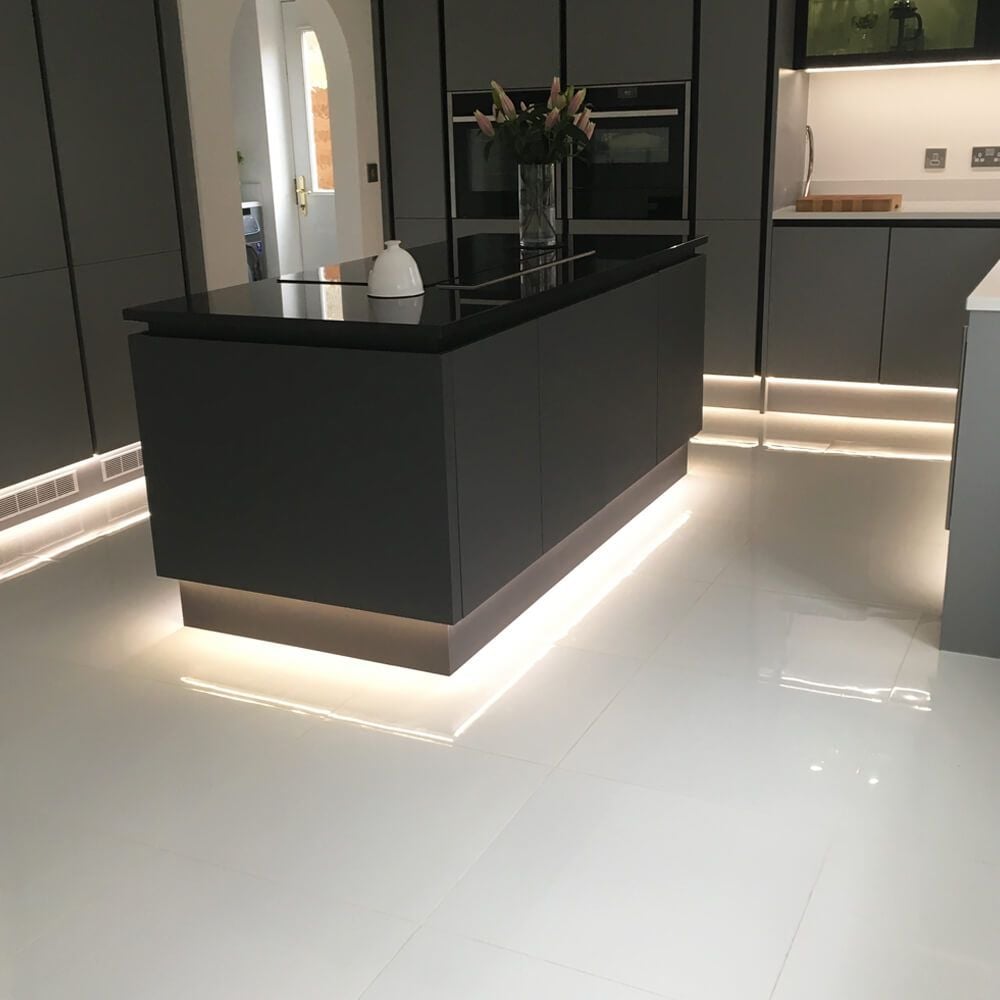
If you are comparing premium surfacing materials, you have likely asked: how is sintered stone different from porcelain tiles? – Niro Granite is a specific product that often comes up in this debate. At Contigo Ceramics, a factory-direct supplier based in Foshan, China, we produce both large-format porcelain tiles and understand the sintered stone market. In this guide, we break down the manufacturing, performance, and application differences to help you make an informed sourcing decision.
Key Takeaways
- Sintered stone is made from natural minerals fused under extreme heat and pressure, while porcelain tiles are made from refined clay and fired at high temperatures.
- Niro Granite is a high-quality porcelain tile product that mimics natural granite; it is not sintered stone.
- Sintered stone offers superior heat resistance and zero water absorption, but porcelain tiles provide better impact resistance and lower cost for most flooring applications.
- ISO 10545 and ANSI A137.1 standards define the technical requirements for porcelain tiles, while sintered stone follows European EN 14411 classification.
- At Contigo Ceramics, we offer factory-direct pricing on polished porcelain tiles, outdoor porcelain tiles, and glazed tiles — all tested to international standards.
- For budget-conscious bulk buyers, porcelain tiles remain the more economical choice without sacrificing durability in residential and commercial settings.
What Is Sintered Stone and How Does It Compare to Porcelain Tiles?
Sintered stone is a man-made slab material produced by compacting natural minerals (quartz, feldspar, clay) under extreme pressure and temperature — typically around 1200°C and 400 bar. The result is a non-porous, highly dense surface that resists stains, scratches, and thermal shock. Porcelain tiles, on the other hand, are made from a mixture of clays, feldspar, and sand pressed and fired at lower temperatures (around 1200-1300°C) but without the same ultra-high pressure. Porcelain tiles are classified under ISO 10545 and ANSI A108 standards for water absorption (≤0.5%). Niro Granite refers to a specific brand of porcelain tile that uses advanced digital printing to replicate natural granite — it is not sintered stone. To answer how is sintered stone different from porcelain tiles? – Niro Granite serves as an excellent example of a premium porcelain product that competes with sintered stone in aesthetics but differs fundamentally in composition and performance.
Manufacturing Process: Sintered Stone vs Porcelain Tiles
Sintered Stone Production
Sintered stone uses a digital pressing technology that applies over 10,000 tons of pressure. This creates a homogeneous slab with no glaze layer — the color runs through the entire thickness. At our Foshan facility, we do not produce sintered stone, but we have inspected numerous sintered stone factories for partner audits. The process consumes significantly more energy and requires larger capital investment, which reflects in the final price.
Porcelain Tile Production (Including Niro Granite)
Porcelain tiles are produced by dry-pressing refined clay bodies and then glazing before firing. Niro Granite uses a special glaze technology that deposits real granite particles or high-definition inkjet patterns to create a textured, natural look. Porcelain tiles have a separate body and glaze layer, which affects their through-body characteristics. ANSI A137.1 sets the minimum breaking strength for porcelain tiles at 250 pounds (ASTM C648 test). In our experience, well-fired porcelain tiles easily exceed this threshold.
Key Performance Differences
Water Absorption
Sintered stone has near-zero water absorption (<0.02%) because of its fully vitrified structure. Porcelain tiles are also classified as impervious (≤0.5% per ISO 10545-3), but some lower-grade products may absorb slightly more. For outdoor applications, both can be used, but sintered stone is superior for freeze-thaw resistance. Niro Granite typically falls within the same absorption range as standard porcelain.
Scratch and Stain Resistance
Sintered stone is extremely scratch-resistant — Mohs hardness of 7-8 — due to its mineral composition. Porcelain tiles with a high-quality glaze (PEI 4 or 5) also resist scratches well. However, if the glaze is damaged, the body can show stains. How is sintered stone different from porcelain tiles? – Niro Granite shows that porcelain can achieve similar aesthetic resistance with proper glazing, but sintered stone offers better through-body durability.
Heat and UV Resistance
Sintered stone can withstand direct heat from pots (up to 800°C) without damage, making it ideal for kitchen countertops. Porcelain tiles have lower thermal shock resistance and may crack if exposed to rapid temperature changes. For outdoor use, both materials are UV-stable, but sintered stone is more dimensionally stable under extreme heat.
Impact Strength
Porcelain tiles generally have better impact resistance due to their thicker body and flexible glazing. Sintered stone slabs are brittle and can chip if struck at the edge. This is why porcelain tiles remain the standard for flooring in high-traffic commercial spaces.
Application Differences: Where to Use Each
- Sintered stone: Countertops, kitchen islands, fireplace surrounds, exterior cladding, laboratory surfaces (due to zero porosity).
- Porcelain tiles (including Niro Granite): Flooring, wall cladding, bathroom tiles, outdoor patios, poolsides (with proper finish). Our outdoor porcelain tiles are designed for these applications.
- Niro Granite: Specifically suited for projects that require the look of granite but with lower cost and easier maintenance of porcelain.

Cost and Sourcing Considerations
Sintered stone is significantly more expensive — often 2-3 times the price of porcelain tiles for equivalent sizes. Porcelain tiles offer better value for large-area coverage. For bulk buyers, Contigo Ceramics provides FOB pricing from our Foshan factory with MOQ flexibility. We recommend sampling both materials before finalizing specifications. If you are comparing how is sintered stone different from porcelain tiles? – Niro Granite will typically cost less than pure sintered stone while delivering comparable visual appeal.
External industry standards confirm these differences. The Tile Council of North America (TCNA) offers detailed guides on porcelain tile specifications at tcnatile.com. For sintered stone, the European standard EN 14411 defines the classification criteria. Always verify that your supplier provides test reports for the specific product.
Frequently Asked Questions
How is sintered stone different from porcelain tiles? – Niro Granite specifically?
Niro Granite is a brand of porcelain tile that uses advanced inkjet technology to replicate granite. It is not sintered stone. Sintered stone is a homogeneous slab without a glaze layer, while Niro Granite has a glazed surface. Both are durable, but sintered stone offers greater heat and stain resistance.
Which is more durable: sintered stone or porcelain tiles?
For scratch and heat resistance, sintered stone wins. For impact resistance and cost-effectiveness, porcelain tiles (including Niro Granite) are better suited for flooring. The choice depends on application.
Can sintered stone be used for flooring?
Yes, but it is less common due to brittleness. Most flooring applications prefer porcelain tiles because they are thicker and more impact-resistant. Our large format porcelain tiles are designed for seamless flooring.
Is Niro Granite better than sintered stone for countertops?
For budget-conscious projects, Niro Granite offers a similar appearance to sintered stone at a lower price. However, sintered stone provides better heat resistance and monolithic look without grout lines if large slabs are used.
What standards should I look for when sourcing?
For porcelain tiles, require ISO 10545 test reports for water absorption, breaking strength (ASTM C648), and slip resistance. For sintered stone, verify compliance with EN 14411. At Contigo Ceramics, we provide full documentation on request.
External Reference: ISO 10545 ceramic tile standards
Conclusion: Making the Right Choice for Your Project
Understanding how is sintered stone different from porcelain tiles? – Niro Granite helps you select the best material based on budget, performance, and application. Sintered stone excels in high-heat, zero-porosity environments, while porcelain tiles (including Niro Granite) offer proven durability and value for flooring and walls. For direct factory pricing and expert guidance, contact Contigo Ceramics. Our team can provide samples, test reports, and competitive FOB quotes for polished porcelain, glazed tiles, and outdoor solutions. Written by the Contigo Ceramics technical team, Foshan China.

Browse our polished porcelain collection for granite-look options, or view our glazed tile range. For outdoor projects, explore our outdoor porcelain tiles. Need large format slabs? Check our large format tiles. Contact our sales team for a factory-quote today.