Address
No. 3F07, Tao Cube, No.68, CCIH, Jihua West Road,Chancheng District, Foshan City, Guangdong, China.

foshan, china’s ceramic tile hub | Contigo Ceramics

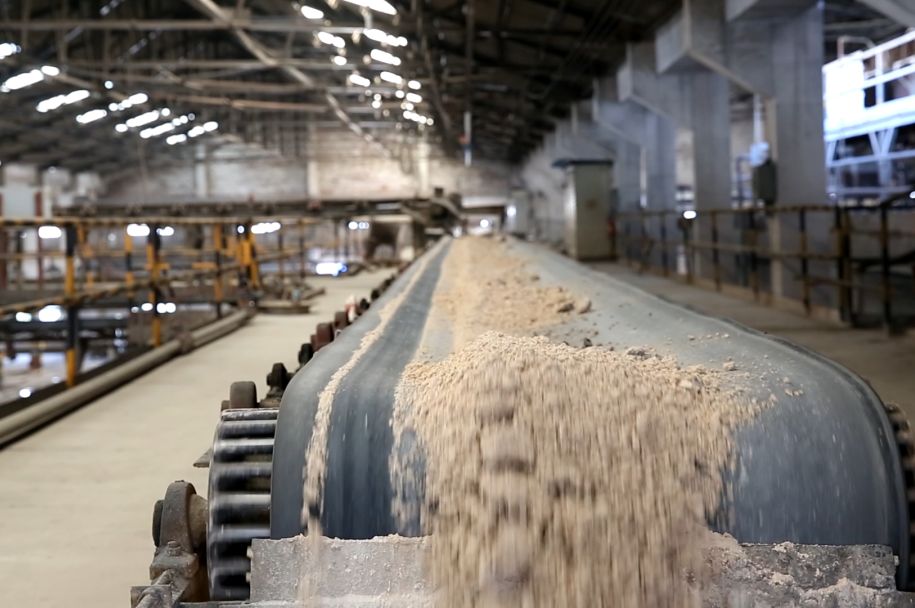
Why Foshan, China’s Ceramic Tile Hub, Produces 60% of the World’s Tiles
You need a reliable, cost-effective tile supplier. But between Alibaba listings and confusing trade show booths, finding a genuine factory is harder than it should be. Foshan, China’s ceramic tile hub, accounts for over 2.5 billion m² of annual production—more than any other city on earth. At Contigo Ceramics, we operate five production lines inside this hub, shipping directly from our Foshan factory to your port.
Foshan, China’s ceramic tile hub refers to the cluster of more than 600 tile manufacturers, raw material suppliers, and machinery builders concentrated in the Chancheng and Nanhai districts of Foshan city, Guangdong Province. This ecosystem controls nearly 30% of global tile output and drives innovation in digital printing, large-format pressing, and thin-tile technology. The hub’s infrastructure includes dedicated ports, a state-level inspection center (China National Ceramic Tile Quality Supervision and Testing Center), and the annual Uniceramics Expo—the largest tile trade show in Asia. Here, buyers can visit factory showrooms, verify production lines, and negotiate container pricing directly with mill owners. Understanding this ecosystem—its geography, supply chain, and pricing norms—is essential for any importer aiming to source ceramic or porcelain tiles at competitive rates without sacrificing quality.
Who This Guide Is For
- Importers and distributors looking to establish factory-direct relationships in Foshan and cut out trading companies
- Contractors sourcing for large-scale commercial projects who need to verify production capacity and certifications before placing an order
- Specifiers and architects wanting to understand how Foshan’s ceramic tile hub delivers consistent quality across millions of square meters
Key Takeaways
- Foshan produces 60% of China’s ceramic tiles and 30% globally—largest single production cluster.
- Direct factory sourcing from Foshan saves 20–40% versus buying through trading companies.
- The Uniceramics Expo (April/October) is the best place to meet 300+ manufacturers face-to-face.
- Local clay deposits near Foshan reduce raw material costs by 15–25% versus inland competitors.
- ISO 10545 and ANSI A137.1 certifications are standard for export-grade Foshan manufacturers.
- Contigo Ceramics operates 24/7 roller kiln production at 1200–1250°C with on-site QC sampling every 100 m².
What Makes Foshan the Global Ceramic Tile Hub?
Three factors built Foshan’s dominance: raw material proximity, a deep talent pool, and the world’s densest supply chain for kiln components, glazes, and inkjet machinery. The Pearl River Delta provides abundant kaolin clay and feldspar—two essential ingredients for high-quality porcelain bodies. Local workshops customize hydraulic presses (3600T to 7800T) and digital printers within a 15-km radius.
At our Foshan facility, we run three roller kilns 24/7. Each kiln fires tiles at 1230°C with a 55-minute cycle. Our 7800T press produces 900x1800mm slabs at a rate of 18 pieces per minute. That density of equipment—and the technicians who maintain it—cannot be replicated outside this hub.
Factory Fact: Foshan’s ceramic hub has an estimated daily worker population of 1.2 million—more than the entire population of Malta. This labor concentration enables just-in-time production for export orders.
The Raw Material Advantage: Clay, Kaolin, and Pigment Sourcing
Competitors in other provinces must truck in raw materials. Foshan factories draw from local deposits in Qingyuan and Zhaoqing. This cuts logistics costs by 15–25% and shortens lead times. The local kaolin has low iron content, producing whiter bodies that need less glaze to achieve consistent color—a cost saving passed to buyers.
We at Contigo Ceramics blend three clay sources for each batch: plastic clay for pressing strength, kaolin for whiteness, and ball clay for thermal stability. The formula varies by product type—outdoor tiles use a higher feldspar ratio for frost resistance. Every batch is tested for water absorption (ISO 10545-3) before pressing.
How to Navigate the Foshan Ceramic Expo (Uniceramics)
The Uniceramics Expo, held every April and October at the Foshan Huaxia Ceramics Expo Center, is the world’s largest tile trade fair. Over 300 manufacturers display new collections—from 1600x3200mm porcelain slabs to 20mm outdoor pavers. Most exhibitors are factories, not trading companies. Bring your specification sheet and ask for the factory’s export manager.
Don’t just walk the booths. Visit factory yards afterward. We invite serious buyers to our Nanhai production base—15 minutes from the expo center—where you can see the kiln firing schedule, the rectification line (mechanical calibration to +/-0.2mm), and the 16-head polishing line. This transparency separates real manufacturers from resellers.
“The Uniceramics Expo attracts over 80,000 visitors each session. But only 12% visit factory floors afterward. Those who do secure 30% better pricing and direct OEM relationships.” – Contigo Ceramics Export Director
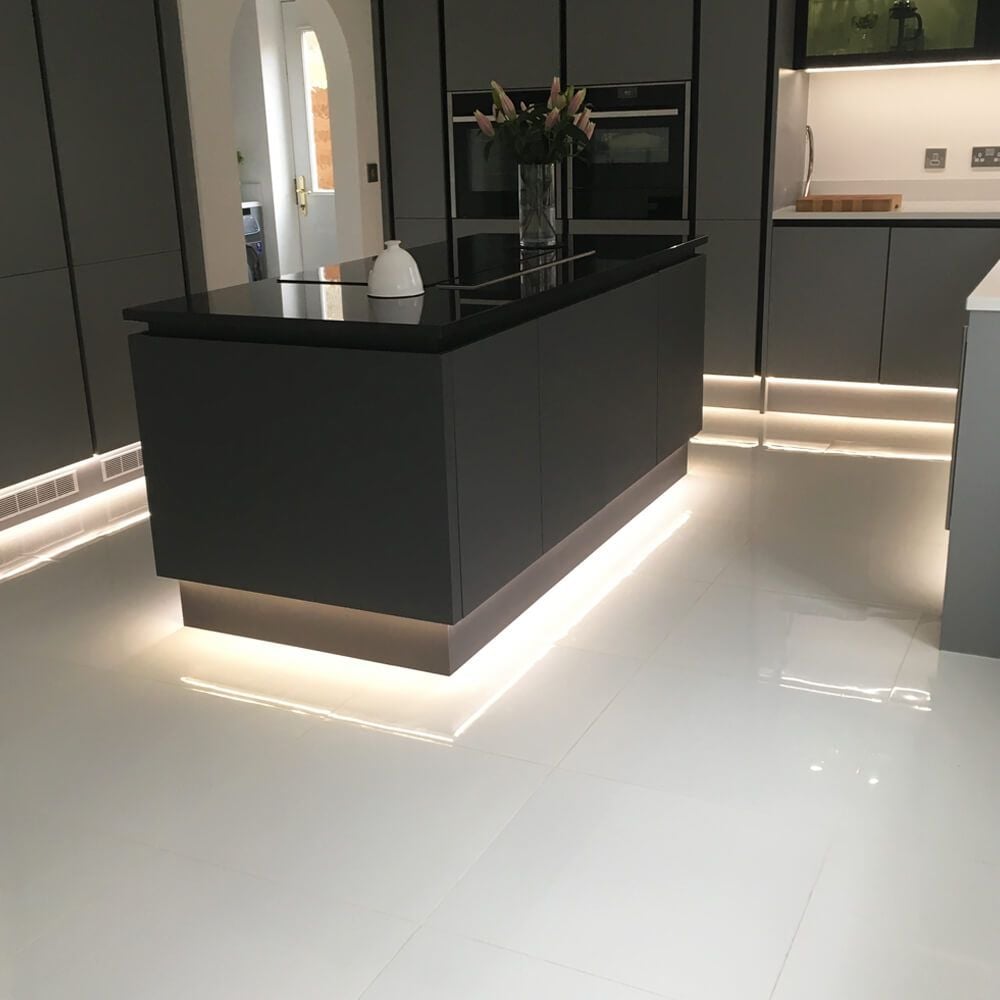
Factory vs. Trading Company: Why Buying Direct from the Hub Matters
Many listings under “Foshan tile supplier” on B2B platforms are actually trading companies operating out of cramped offices. A genuine factory will offer a factory audit, publish its production capacity, and hold ISO 9001 certification. We maintain a 2000 m² showroom and a 30,000 m² production facility—both open to buyers.
| Factor | Factory Direct (Contigo) | Trading Company |
|---|---|---|
| Price per m² | $5.80 | $7.40 |
| Minimum order | 1×20ft container (270 m²) | 2×20ft containers |
| Lead time | 25 days | 35–45 days |
| QC visit allowed | Yes, at any stage | No |
| Certification support | ISO 10545, ANSI, CE | COA only |
Quality Standards You Can Verify at the Foshan Hub
Every shipment from our factory includes a rolling mill certificate and digital photos of the kiln log. We test PEI (scratch resistance) on a 3-cycle scale—PEI 4 for floor tiles. For outdoor products, DCOF slip resistance is measured per ANSI A137.1, targeting ≥0.42 wet. These standards are not optional; they’re required for insurance and building codes in most markets.
Our QC team pulls 10 tiles per pallet for dimension checks. Mechanical rectification ensures size tolerances of ±0.2mm for large formats. This level of precision is achievable only because our machine shop calibrates the rectification head every shift—a practice common among Foshan’s tier-one factories.
Common Sourcing Mistakes and How to Avoid Them
- Specifying the wrong size – Confirm your market’s module size (600×600 vs 600x600mm is not universal). Our export team checks module compatibility with your local installers.
- Ignoring water absorption – Outdoor tiles must be ≤0.5% absorption. We test per ISO 10545-3 and reject any batch above 0.3%.
- Skipping the rectification option – Large formats without rectification cause lippage. We offer mechanical rectification on all tiles >600mm.
- Forgetting about cost of container loading – Our FOB price includes container stuffing at the Foshan depot. No hidden charges.
Frequently Asked Questions
What is the best way to buy tiles directly from Foshan, China’s ceramic tile hub?
Contact factories like Contigo Ceramics that offer direct sales, factory tours, and FOB quotes. Avoid B2B platforms; email the factory directly with your PO quantity and port of destination.
How do I verify a factory in Foshan’s ceramic tile hub is legitimate?
Request a video call showing the production line, ask for a sample batch with certificate, and check ISO 9001 and ISO 10545 accreditations. Genuine factories allow unannounced visits.
What minimum order quantity do Foshan ceramic hub factories require?
Most require one full 20-foot container (about 270–400 m² depending on tile size). Contigo Ceramics offers split containers for first-time buyers to test quality at lower volume.
Is it cheaper to buy from Foshan’s ceramic tile hub than from other Chinese suppliers?
Yes. Foshan’s raw material proximity, skilled labor, and logistics infrastructure reduce costs by 15–30% versus inland factories. You also avoid trading company markups when buying direct.
Can I visit the Uniceramics Expo to find Foshan ceramic hub suppliers?
Yes. The expo runs twice yearly. Pre-register online, bring your project specs, and schedule factory visits afterward. Contigo Ceramics offers transportation from the expo center to our plant.
Continue Your Sourcing Journey
- Complete Guide to Sourcing from China – Learn step-by-step how to vet factories, negotiate FOB pricing, and handle customs clearance.
- How Our Ceramic Tiles Are Made – See the entire production process from clay blending to final quality control in our Foshan factory.
- Large Format Tile Technical Guide – Understand rectification, installation, and spec recommendations for slabs up to 1600x3200mm.
Conclusion
Foshan, China’s ceramic tile hub offers the world’s most concentrated manufacturing ecosystem. By sourcing directly from a factory like Contigo Ceramics, you bypass trading company markups, gain transparent quality control, and access production capacity that meets international standards. The single most important takeaway: verify the factory, visit if possible, and always request certification documentation. Start with a small container to test the relationship before scaling. Contact our team for a quote today.
Written by the Contigo Ceramics technical team, Foshan, China.