Address
No. 3F07, Tao Cube, No.68, CCIH, Jihua West Road,Chancheng District, Foshan City, Guangdong, China.

How to Source China Tiles in 2025: Factory Direct Prices, New Designs & Proven Import Tips

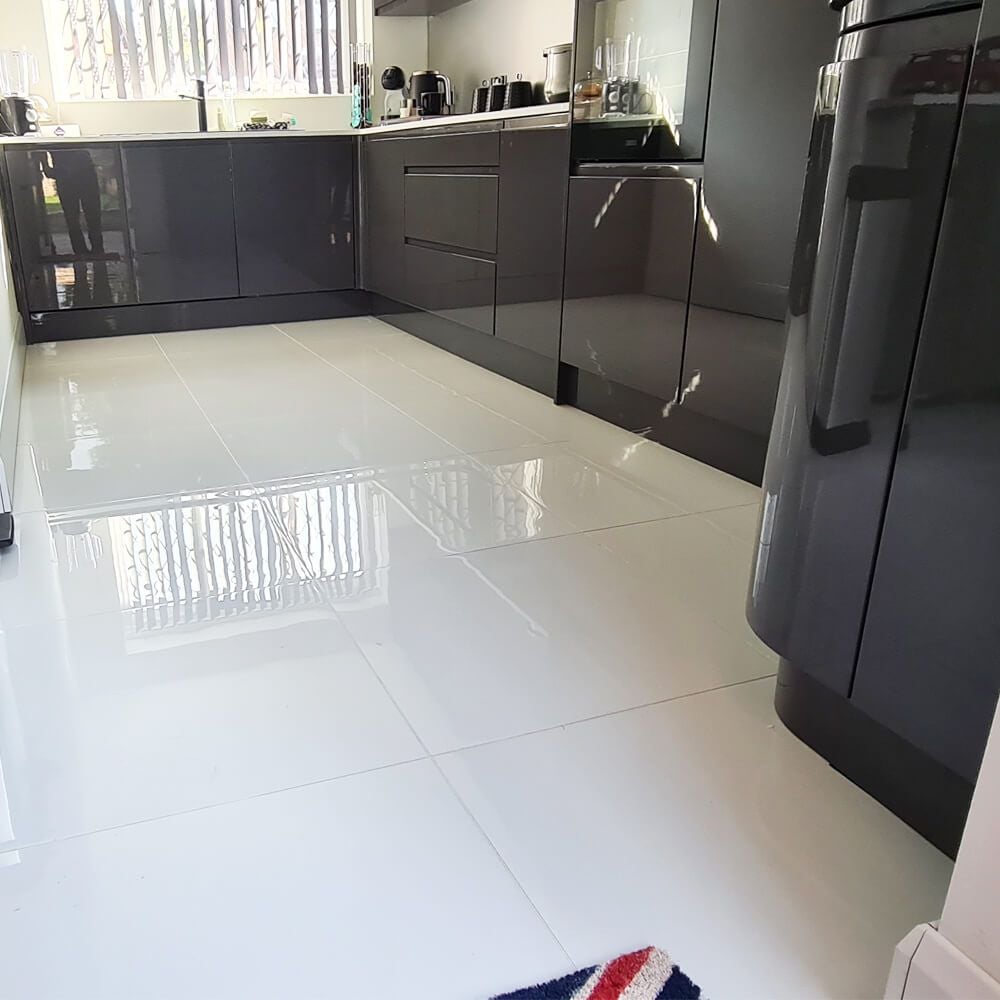
In 2024, China exported over 1.2 billion square meters of ceramic tiles, reaffirming its dominance in the global china tiles market. Factory-direct pricing — often 60–70% below retail — combined with cutting-edge digital inkjet technology has made sourcing from Chinese factories more attractive than ever. This guide covers the latest designs, technical specifications, and proven import steps to help you navigate the 2025 china tiles market confidently.
The Technical Edge of Chinese Tile Manufacturing
Modern Chinese tile factories leverage advanced production lines that rival European standards. For instance, the use of 8-channel digital inkjet printers with 720 dpi resolution allows precise color matching and textured surface replication. Beyond aesthetics, the body composition of porcelain tiles from Foshan and Jiangxi now incorporates nano-sized alumina and zirconia particles, boosting surface hardness to PEI 5 (commercial grade) and reducing water absorption below 0.2% (ISO 10545-3). Additionally, rectification technologies — diamond-ground edges with tolerances of ±0.1mm — enable thin grout lines (1.5mm) and seamless large-format installations. Understanding these technical details helps buyers evaluate factory capabilities and select the right product for their project.
Understanding ISO Standards and Quality Control
When sourcing from the china tiles market, insisting on ISO 10545 certification is non-negotiable. Each batch should be tested for breaking strength (ISO 10545-4 — typically 1300N+ for porcelain), frost resistance (ISO 10545-12 — critical for exterior use), and coefficient of friction (DCOF ≥ 0.42 for commercial floors). Reputable factories maintain internal quality labs with electronic pressure testers, moisture analyzers, and spectrophotometers to verify dimensional uniformity and shade consistency. At Contigo Ceramics, we go a step further by performing a 100% visual inspection on every tile before packaging and providing downloadable QC reports on request. For a deeper dive into these metrics, check our guide on ceramic tile quality standards.
Advanced Digital Glazing and Nano-Coating Technologies
Beyond standard inkjet printing, leading factories in the china tiles market now operate 10-channel digital inkjet printers with 1440 dpi resolution, enabling hyper-realistic replication of natural wood grain, calacatta marble veining, and textured slate surfaces with variable drop sizes as small as 6 picoliters. A key differentiator is nano-coating technology — a 0.2–0.5 micron layer of titanium dioxide (TiO₂) and silicon dioxide (SiO₂) applied via roller or spray application, creating hydrophobic surfaces with water contact angles exceeding 110°. This delivers stain resistance at ASTM C1028 Level 5 and anti-bacterial efficiency of 99.9% against E. coli and Staphylococcus aureus (ISO 27447 certifiable). Some Foshan factories now offer photocatalytic tiles that break down organic pollutants and volatile organic compounds under UV light, making them ideal for commercial kitchens, hospital corridors, and high-traffic retail spaces. Understanding these coating options allows buyers to specify the right surface treatment — whether easy-clean matte for residential floors or anti-bacterial gloss for healthcare walls. For more on how surface finishes impact performance, read our porcelain tile finish guide.
Factory Qualification and Digital Traceability Systems
As the china tiles market matures, top-tier manufacturers now implement full digital traceability from raw material batch to finished pallet. Each production lot carries a scannable QR code linked to a cloud-based QC database that records firing temperature curves (typically 1180–1220°C for full-vitrified porcelain), pressing pressure (300–500 bar depending on tile format), glaze thickness at multiple points, and colorimetric L*a*b* values across 10+ sampling locations per 1,000 m². Many Foshan-based factories adhere to China National Standard GB/T 4100-2016 (aligned with ISO 13006) and routinely provide third-party test reports from SGS, Intertek, or TÜV Rheinland covering modulus of rupture, thermal shock resistance, and chemical resistance. When evaluating a potential supplier, request their process capability index (Cpk) for key dimensional attributes — a Cpk value of 1.33 or higher signals a statistically controlled process with minimal batch-to-batch variation. For a complete framework on assessing factory credentials, see our guide on how to vet Chinese tile factories.
Large-Format Tile Manufacturing: Pressing, Drying, and Calibration
As demand for oversized tiles (1200x600mm, 1200x2400mm, and 1600x3200mm) grows globally, Chinese factories have invested in SACMI and SYSTEM continuous presses capable of exerting up to 5000 tons of pressure, producing perfectly flat, large-format slabs with minimal internal stress. These presses are paired with multi-chamber dryers that maintain uniform moisture removal across the entire tile body, preventing warping during the sintering process. After firing, digital calibration stations equipped with laser triangulation sensors measure thickness at 50+ points per tile, ensuring a dimensional tolerance of ±0.3mm — critical for rectified edges and minimal grout lines. Buyers sourcing large-format tiles from the china tiles market should request the factory’s maximum flatness deviation (typically ≤0.5mm for premium grade) and confirm availability of anti-slip treatments for commercial applications. For a comprehensive overview of sizes and finishes, see our large-format tile buying guide.
Shipping, Logistics, and Incoterms for China Tile Imports
Navigating logistics is as important as product quality when importing from the china tiles market. Most Foshan-based factories quote FOB Shenzhen or FOB Guangzhou, with container loading costs (usually $200–$400 per 20ft container) and port handling fees included. For large orders, factories may offer CIF terms to major global ports, covering ocean freight and insurance. The standard shipping volume for ceramic tiles is 22–24 tons per 20ft container (approximately 800–1000 m² of 600x600mm tiles). It is essential to specify ‘full container load (FCL)’ to avoid damage from partial loads and to negotiate container sealing and steel strapping for stability. Additionally, experienced exporters use moisture-absorbing desiccants and wooden crates for fragile large-format slabs. Understanding the Incoterms and verifying the factory’s export license (usually a 13% VAT refund applies) can significantly affect your landed cost. For more on the logistics of tile importing, read our guide on importing tiles from China.