Address
No. 3F07, Tao Cube, No.68, CCIH, Jihua West Road,Chancheng District, Foshan City, Guangdong, China.

china porcelain | Contigo Ceramics

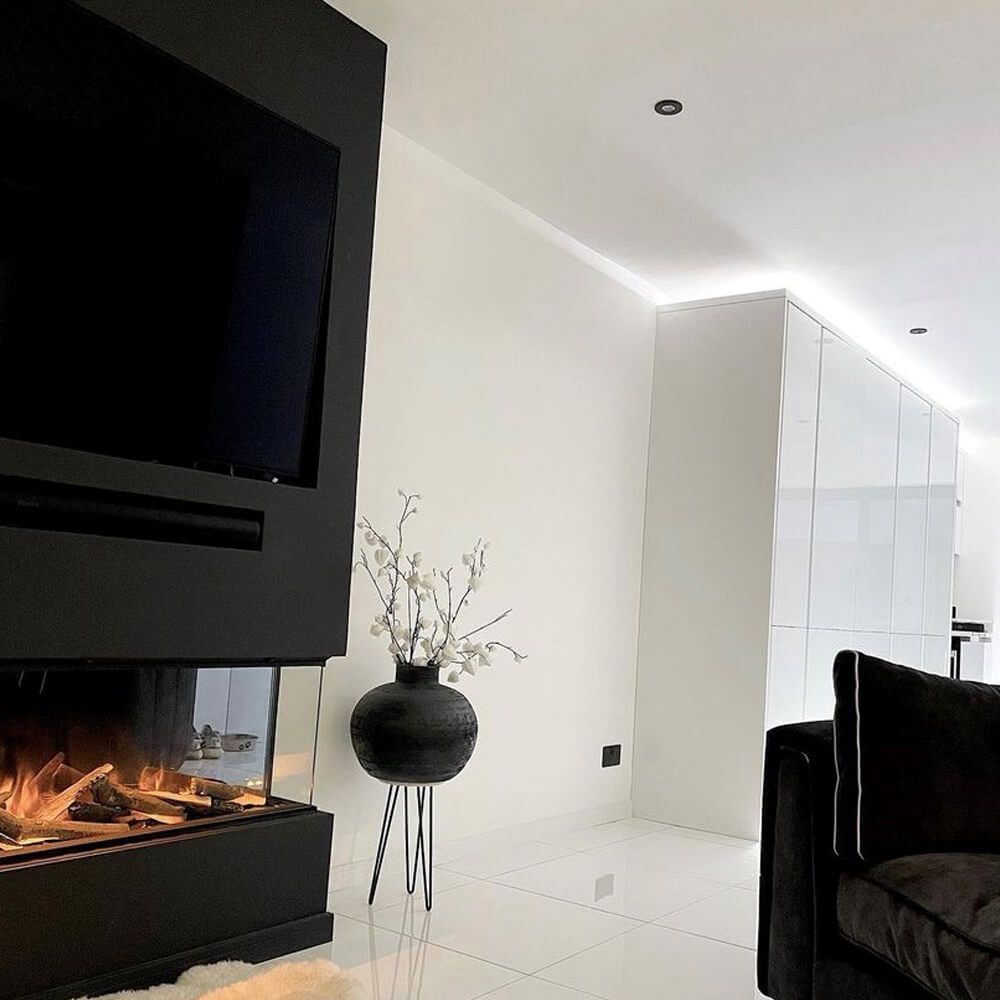
For over a thousand years, the secret of china porcelain was guarded more closely than state treasury records. The unique raw materials, high-temperature firing, and resulting vitrified body made it a global benchmark for quality. Today, Contigo Ceramics, operating out of Foshan, China, applies this same principle of precise material science and intense heat treatment to produce industrial-grade porcelain tiles. We fire our large-format and outdoor tiles at 1200-1250°C in roller kilns, achieving the low porosity and high durability that define genuine porcelain. This article explains the connection between ancient Chinese artistry and modern factory-direct tile manufacturing, covering the technical standards, production processes, and sourcing strategies that matter to international buyers.
In the modern industrial context, china porcelain refers to a fully vitrified ceramic product manufactured using standardized raw materials such as kaolin, feldspar, and quartz, fired at temperatures exceeding 1200°C. Unlike historic decorative porcelain, modern Chinese porcelain tile is engineered for structural and functional applications. It must meet strict ISO 10545 and ANSI A137.1 standards, absorbing less than 0.5% water. This near-zero porosity makes it resistant to frost, staining, and heavy foot traffic. The manufacturing process involves a 3600-7800T hydraulic press, digital inkjet decoration, and mechanical rectification for precise sizing. The result is a consistent, high-density product suitable for commercial plazas, hotel lobbies, and exterior facades. When a buyer specifies “china porcelain” in a B2B context, they are typically referring to this high-performance, factory-produced material, not antique dinnerware. Understanding this distinction is crucial for contractors and importers evaluating sourcing options.
Key Takeaways
- Modern china porcelain tile is a high-density, low-porosity building material defined by standards like ISO 10545 and ANSI A137.1, not a decorative craft product.
- The secret of Chinese porcelain—high-temperature vitrification—is industrialized in Foshan factories using roller kilns and hydraulic presses.
- DCOF, PEI rating, and rectification tolerance are the critical specifications to verify when sourcing porcelain tile from China.
- Buying direct from a factory like Contigo Ceramics eliminates middleman markups, but requires due diligence on samples, MOQ, and third-party testing.
- China’s dominance in porcelain tile manufacturing is built on integrated supply chains, not just low labor costs.
What Does ‘China Porcelain’ Mean in Modern Manufacturing?
When an importer or contractor searches for china porcelain today, they aren’t looking for Ming vases. They are looking for a building material that combines historic engineering principles with modern industrial efficiency. The core principle is the same: take specific minerals, form them under pressure, and fire them at extreme heat until the particles fuse into a glass-like, non-porous matrix. The difference is scale and precision. At our Foshan, China facility, we apply this to tiles up to 1600x3200mm, with thicknesses ranging from 6mm to 25mm depending on the application.
Modern standards, specifically ISO 10545-3, define porcelain tile as having water absorption of E ≤ 0.5%. This single metric determines frost resistance, stain resistance, and flexural strength. A tile that meets this standard can be certified as “porcelain.” Understanding this specification is critical when sourcing factory direct. Many suppliers market ceramic or stoneware tiles as porcelain. Verify the test report. For a complete overview of what to check when sourcing, see our Complete Guide to Sourcing from China.
How Is Modern Chinese Porcelain Tile Made?
The “secret” that China kept for 1,000 years was the precise combination of local clays, specific flux materials, and carefully controlled firing curves. That secrecy is obsolete in the industrial age. At Contigo Ceramics, we operate a fully transparent production line. The process begins with ball milling raw materials—kaolin, feldspar, quartz—into a fine slurry. This is spray-dried into granules with specific moisture content (typically 5-7%) for optimal pressing. Then, the hydraulic press applies 3600 to 7800 tons of force to compact the granules into a green tile. The higher tonnage allows for larger formats and tighter dimensional stability.
The green tile is dried to remove residual moisture and transported through a digital inkjet printer, which applies surface designs at 360-720 DPI. The tile then enters the roller kiln, a 120-meter-long furnace where it is fired at 1200-1250°C over a 60-90 minute cycle. This is where vitrification happens. The particles sinter together, shrinking the tile and creating a dense, impermeable body. After firing, the tile undergoes mechanical rectification. We use diamond-blade cutting to ensure every tile is calibrated to ±0.5mm tolerance. This allows for thin-joint installations and a cleaner polished finish.
Post-firing, the tile moves through a 16-24 head polishing line (for polished finishes) or a surface treatment line (for matte, textured, or satin finishes). For outdoor tiles, we apply a specific surface structure to meet DCOF requirements above 0.42. Finally, quality control checks for PEI rating, shade variation, and flatness. Every pallet is labeled with the corresponding ISO 10545 test data. Learn more about our specific manufacturing capabilities on our How Products Are Made page.
Why Is Chinese Porcelain Tile the Standard for Commercial and Residential Projects?
Modern Foshan-manufactured china porcelain tiles dominate global markets because of a convergence of technology, supply chain integration, and cost efficiency. The local availability of high-quality feldspar and kaolin reduces raw material logistics costs. The concentration of equipment manufacturers, ink suppliers, and mold makers in the Foshan area creates an ecosystem that accelerates innovation. This vertical integration means faster R&D cycles and lower per-unit costs compared to manufacturers in regions without this infrastructure.
To specify Chinese porcelain tile correctly, contractors must understand the following performance metrics:
| Metric | Standard | Typical Value for Contigo Porcelain |
|---|---|---|
| Water Absorption | ISO 10545-3 | E ≤ 0.1% |
| Modulus of Rupture | ISO 10545-4 | > 45 N/mm² |
| Surface Hardness (PEI) | ASTM C1027 | PEI 4-5 |
| Slip Resistance (Wet) | ANSI A137.1 | DCOF ≥ 0.42 |
| Chemical Resistance | ISO 10545-13 | Class GA |
| Frost Resistance | ISO 10545-12 | Passes 100 cycles |
For an in-depth look at the historical context of the material, the Smithsonian’s National Museum of Asian Art provides excellent resources on porcelain. The transition from art object to building material represents a major shift in global materials handling. For outdoor plazas, curtain wall facades, and high-traffic lobbies, modern Chinese porcelain tile offers unmatched value. See our Outdoor Product Complete Guide for technical recommendations on frost-resistant installations.
What Are the Key Differences Between Historical Chinese Porcelain and Modern Tiles?
Many buyers search for china porcelain assuming it is a singular, historic material. It is helpful to distinguish between the legacy craft and the modern industrial product. Both share the core principle of vitrification, but the application and engineering are worlds apart.
| Feature | Historical Chinese Porcelain (Craft) | Modern Chinese Porcelain Tile (Industrial) |
|---|---|---|
| Primary Use | Art, tableware, decoration | Flooring, wall cladding, facades |
| Dimensional Tolerance | Variable, handcrafted (mm variance) | Rectified (±0.5mm) by CNC diamond cut |
| Firing Method | Wood/coal updraft kiln, batch process | Gas/electric roller kiln, continuous 1250°C |
| Standardization | None | ISO 10545, ANSI A137.1, PEI, DCOF |
| Maximum Size | Small, limited by manual kiln size | Up to 1600x3200mm |
| Supply Chain | Secret, guild-based, variable price | Transparent, factory-direct, fixed MOQ pricing |
Understanding this table helps buyers set realistic expectations. The production sample you receive from a modern factory will have exact dimensions, consistent color, and a published technical data sheet. The beauty is in the engineering precision, not the artisan variation.
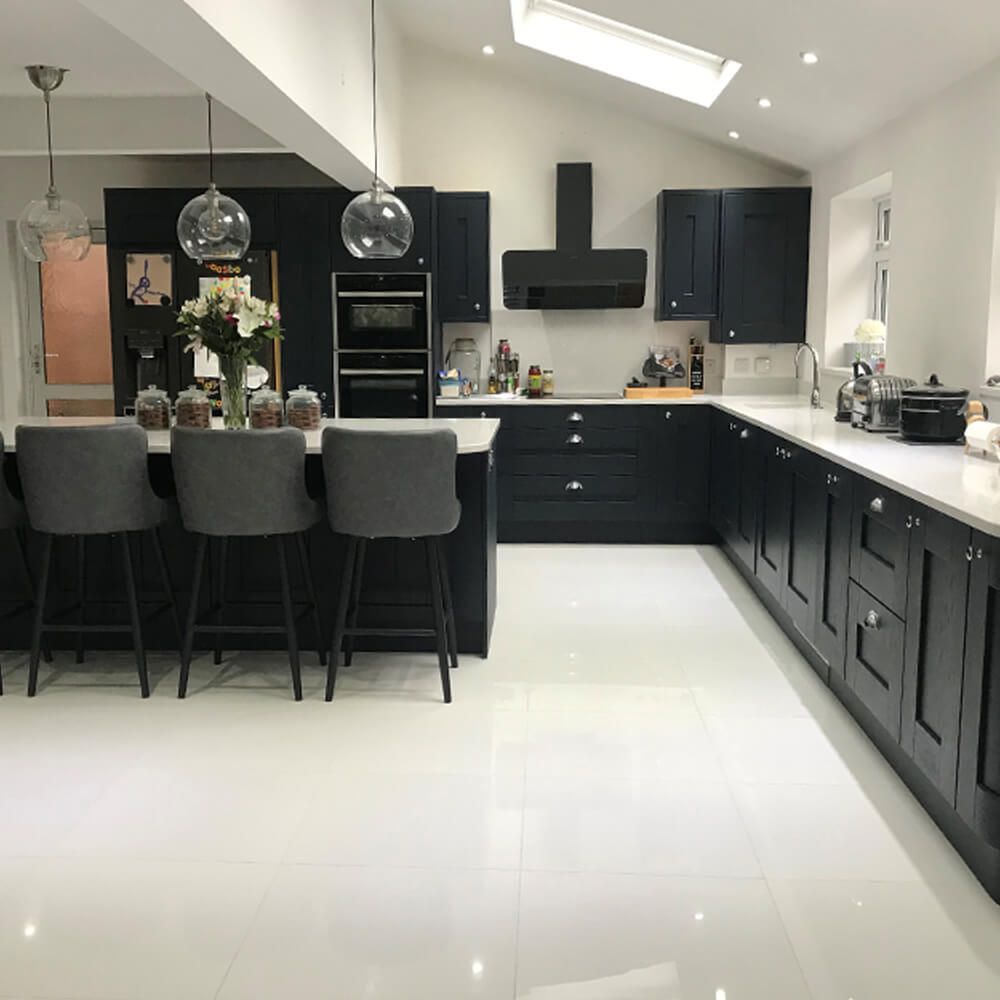
How to Source Quality Chinese Porcelain Tile from a Factory Direct Supplier
Sourcing china porcelain directly from a factory requires a shift in mindset. You are not buying a finished good from a distributor; you are commissioning a production run from a manufacturer. This offers significant cost advantages (typically 30-50% less than distributor pricing) but demands technical rigor. Start by requesting a specification sheet that includes ISO 10545 test reports. Verify the water absorption value directly. If the report does not exist, the product is not true porcelain. For standard floor tiles, look for a PEI rating of at least 3. For wet areas, demand a DCOF value of ≥ 0.42.
Minimum order quantities for direct factory containers typically range from 200 to 500 square meters per SKU. Contigo Ceramics offers flexible MOQ structures for verified commercial buyers and can consolidate mixed containers for sample testing. We recommend ordering a production sample (A4 size or full tile) before committing to a full container. Evaluate color consistency, flatness, and edge quality. For a structured checklist, refer to our Large Format Technical Guide and Complete Guide to Sourcing from China. Factory audits are welcome—we operate an open-door policy for all international buyers. You can also browse our current production capabilities in polished and large format categories.
Frequently Asked Questions
What is the water absorption of modern china porcelain tile?
Modern china porcelain tile must have water absorption of E ≤ 0.5% when tested according to ISO 10545-3. This qualifies it as full vitrified porcelain. Contigo Ceramics often achieves E ≤ 0.1%, surpassing the standard and providing exceptional frost and stain resistance.
Is historical Chinese porcelain the same as modern china porcelain tile?
No. Historical Chinese porcelain was art and tableware. Modern china porcelain tile is an industrial building material standardized by ISO 10545 and ANSI A137.1. The shared principle is vitrification through high-temperature firing, but the scale, precision, and performance requirements are completely different.
How can I verify the quality of china porcelain tiles from a factory direct supplier?
Request third-party ISO 10545 test reports. Order pre-production samples. Check the PEI rating (should be 3-5 for commercial use) and the DCOF value (≥ 0.42 for wet areas). Verify the tile is rectified (±0.5mm) for consistent installation. Contigo Ceramics provides full technical documentation for every production lot.
What is the typical MOQ for factory-direct china porcelain tile?
Typical MOQs range from 200 to 500 square meters per SKU per container. This ensures efficient production run consistency. We offer flexible terms for repeat orders and large-scale commercial projects. Contact us directly for project-specific requirements.
External Reference: ISO 10545 ceramic tile standards
Conclusion
The legacy of china porcelain is alive today in every high-performance tile that comes out of our kilns. The exact science of vitrification, once a secret that defined millennia of craftsmanship, is now the foundation of modern industrial architecture. At Contigo Ceramics, we bring this heritage into the 21st century with ISO-certified production, hydraulic pressing precision, and factory-direct pricing. Whether you are specifying tiles for a luxury hotel, a public square, or a residential development, we provide the technical quality and supply chain efficiency that global projects demand.
Ready to evaluate a production sample of genuine china porcelain tile? Request specifications and pricing through our contact page. Written by the Contigo Ceramics technical team, Foshan, China.