Address
No. 3F07, Tao Cube, No.68, CCIH, Jihua West Road,Chancheng District, Foshan City, Guangdong, China.

china floor tiles design | Contigo Ceramics

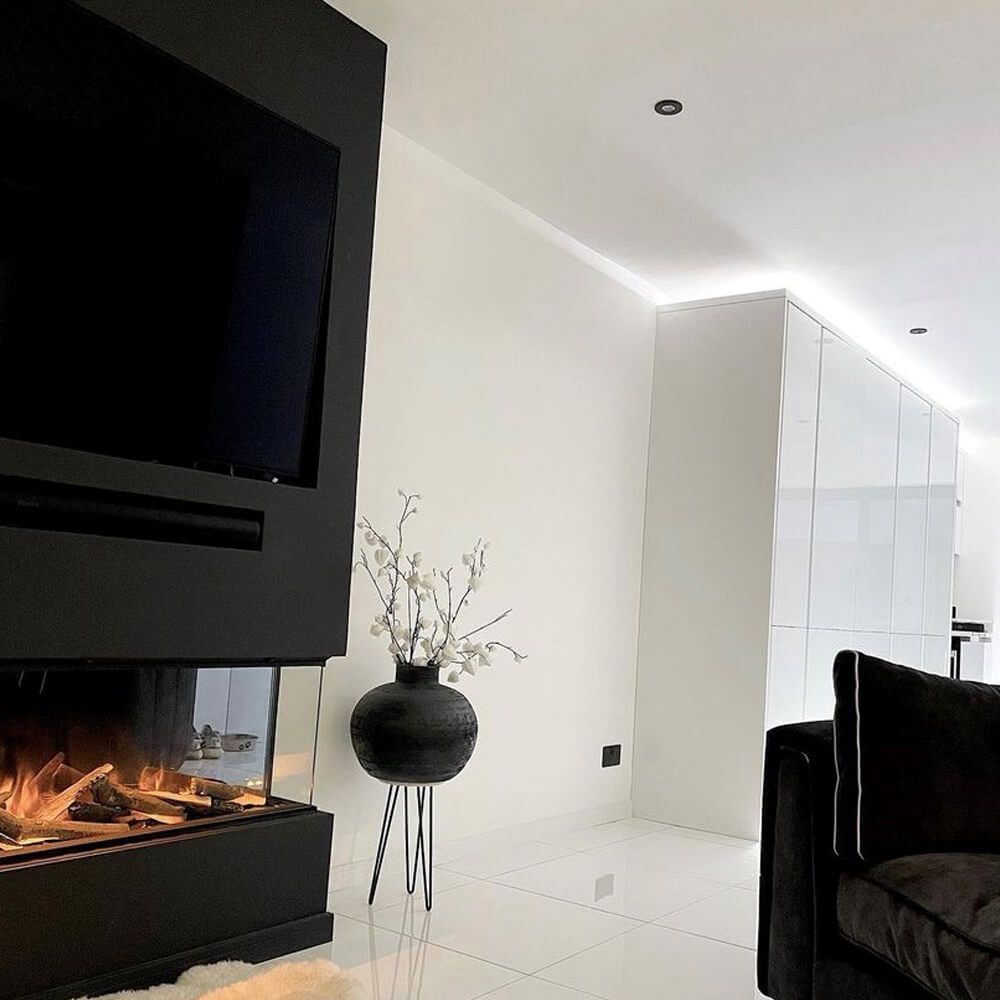
When you search for china floor tiles design, you're not just looking for patterns—you're looking for manufacturing capability, color consistency, and cost efficiency. At Contigo Ceramics, our Foshan factory produces floor tiles that meet international design expectations while keeping prices at factory-direct levels. This guide covers what makes Chinese floor tile design stand out: the technology behind the patterns, the standards that guarantee performance, and how to source directly from the world's largest tile manufacturing cluster.
Key Takeaways
- Chinese floor tile design benefits from digital inkjet printing with 1200 DPI resolution, enabling natural stone and wood replicas that pass visual inspection from 30 cm.
- Foshan factories use hydraulic presses from 3600T to 7800T, allowing large-format tiles up to 1200x2400 mm with precise rectification.
- Color consistency across production runs is maintained by computerized batch monitoring—a requirement often missed by smaller suppliers.
- Factory-direct sourcing from Contigo Ceramics eliminates distributor markups, reducing per-square-foot cost by 30–50% compared to retail channels.
- Design quality is verified by ISO 10545 standards for dimensional tolerance, water absorption, and chemical resistance—not just visual appeal.
What Is China Floor Tiles Design?
China floor tiles design refers to the aesthetic patterns, textures, and formats produced by Chinese manufacturers, primarily in the Foshan region. These designs are created using digital inkjet printing technology that applies high-resolution images—typically 600–1200 DPI—onto ceramic or porcelain bodies. The result is a tile that mimics natural materials like marble, granite, wood, or concrete with photographic accuracy. At our Contigo Ceramics facility, we use 8–12 color-channel inkjet printers from Italian and Chinese manufacturers, allowing us to reproduce subtle veining and grain variations that make each tile unique while maintaining overall batch consistency.
The design process starts with raw material selection: kaolin, feldspar, and quartz are milled to a specific particle size, pressed under high pressure, dried, glazed, and fired at 1200–1250°C. The glaze layer carries the inkjet decoration and is then sealed with a protective coating. This combination of engineering and artistry is what makes china floor tiles design cost-effective without compromising visual quality.
How Are Floor Tile Designs Made in China?
Raw Material Preparation and Pressing
Every design begins with the body. For porcelain floor tiles, we use a mixture of clays, feldspars, and silica. The powders are atomized in a spray drier to achieve consistent moisture content (5–7%). This granular material is then pressed in a hydraulic press—our factory uses presses ranging from 3600T to 7200T for standard sizes, and up to 7800T for large slabs (1200x2400 mm). Higher pressure creates denser tiles with lower water absorption (<0.5%), which directly impacts design durability: a denser tile resists staining and edge chipping during installation.
Digital Inkjet Printing and Glaze Application
The real differentiator in modern china floor tiles design is digital inkjet technology. Unlike old rotary printing that used physical screens (limited to 4–6 colors), digital printers apply ceramic inks through piezoelectric print heads. Each nozzle fires droplets smaller than a human hair. At Contigo Ceramics, we run 10-color printers that can produce depth effects, metallic glints, and textured surfaces. After printing, a transparent or matte protective glaze is applied, often with a double-roller or spray application. The tile then enters a roller kiln for single-fire sintering at peak temperature. This process fuses the design layer into the tile body—it is not a surface coating that wears off.
Polishing and Rectification
Designs intended for high-gloss finishes go through a polishing line. Our factory uses 16- to 24-head polishing machines with progressively finer abrasives (from 60 grit to 3000 grit). Polishing removes micro-imperfections and creates a mirror-like surface. For rectified tiles (exact dimensional edges), we use mechanical calibrators that cut edges to within ±0.3 mm tolerance. Rectification is critical for modern minimal designs where thin grout lines (1–2 mm) are desired.
Current Trends in China Floor Tiles Design
Large-Format Slabs
Designs measuring 1200x2400 mm, 1600x3200 mm, and even 1200x3600 mm are now common. These reduce grout lines and create seamless visuals, especially in open-plan spaces. The trend is driven by larger hydraulic presses and improved kiln technology. At Contigo Ceramics, we offer full-body porcelain tiles in these sizes—meaning the color runs through the entire thickness, so chipped edges are not visually obvious.
Wood-Look Planks
Wood-look porcelain tiles remain the top-selling design category for Chinese exports. The design features knot patterns, grain lines, and even hand-scraped texture achieved by printing onto a textured roller surface before glaze application. Our wood-look series uses a 200x1200 mm format with rectified edges, making installation faster than real hardwood without the maintenance.
Marble and Stone Replicas
Calacatta, Statuario, Carrara—Chinese factories replicate these natural stones using 3D scanning of real stone blocks. The inkjet heads apply random veining patterns so no two tiles are identical within a batch. We recommend ordering 10–15% more material than needed to ensure pattern matching across large areas.
Geometric and Patterned Tiles
For commercial interiors, geometric designs (hexagons, chevron, herringbone) and Moroccan-inspired patterns are available. These are typically produced as porcelain mosaic or as large-format tiles with printed patterns. For outdoor use, 20 mm thick tiles with DCOF ≥0.42 are designed to prevent slipping even when wet.
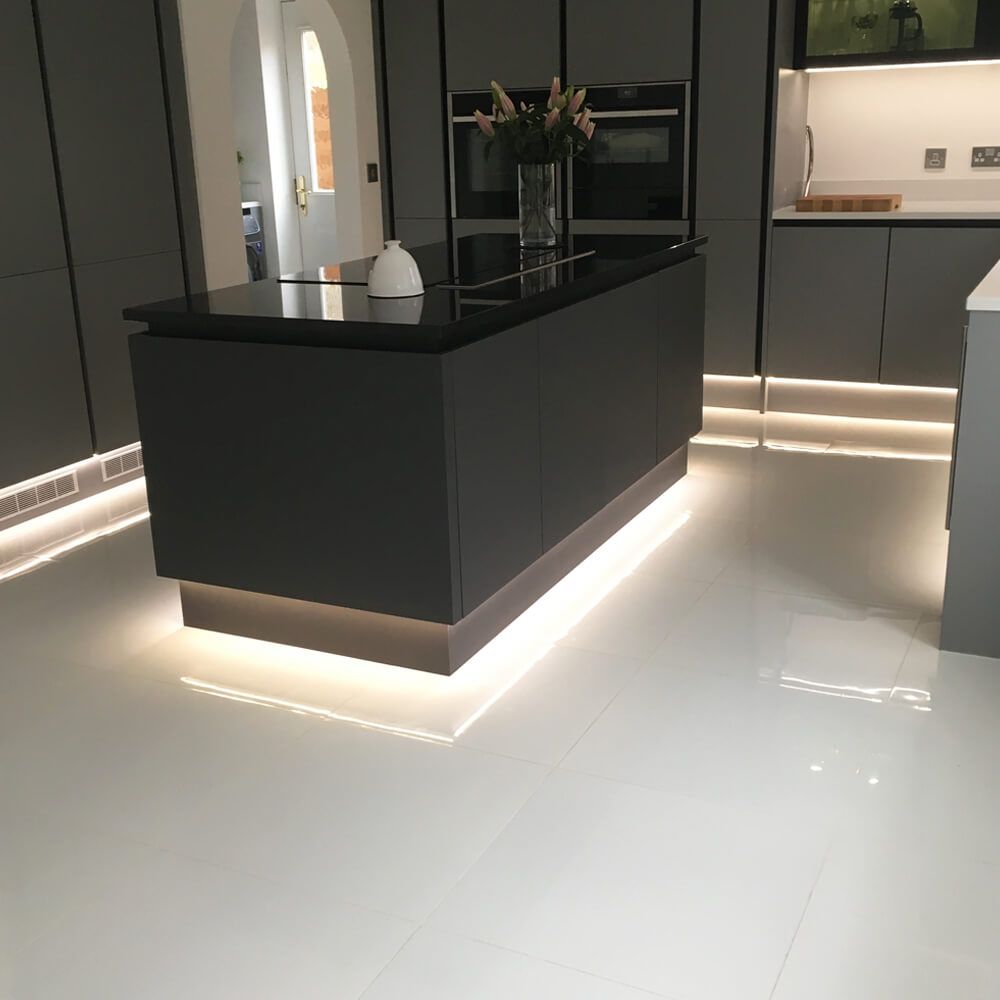
Evaluating Design Quality: What Standards Matter?
Visual appeal alone does not define good china floor tiles design. International buyers must verify technical performance against established standards. The primary reference is ISO 10545, which covers dimensional tolerance, water absorption, modulus of rupture, and scratch resistance. For floor tiles, PEI (Porcelain Enamel Institute) ratings indicate abrasion resistance: PEI 3 for residential use, PEI 4–5 for commercial corridors and retail spaces.
Slip resistance matters for safety. ANSI A137.1 specifies DCOF (Dynamic Coefficient of Friction) values: ≥0.42 for level wet surfaces, ≥0.50 for ramps. At Contigo Ceramics, we test all floor tile designs for DCOF in our in-house lab. We also check color consistency using spectrophotometers—Delta E values below 1.0 are considered visually identical between batches.
How to Source China Floor Tiles Design Factory-Direct
Sourcing direct from Foshan eliminates the retailer markups that often triple the price. At Contigo Ceramics, we ship FOB (Free on Board) from Guangzhou or Shenzhen ports. Typical minimum order quantities (MOQ) are 200 square meters per design, but we accommodate smaller trial orders for new clients. We recommend requesting a pre-production sample (2–4 tiles) before full container shipment. This allows you to verify color, gloss, and rectification against your project requirements.
When comparing suppliers, ask about:
- Kiln type and peak firing temperature (should be ≥1200°C for porcelain)
- Digital printer brand and color channels
- Rectification tolerance (≤±0.5 mm is industry standard; ≤±0.3 mm for premium)
- Third-party test reports for ISO 10545 or ASTM C648
Our factory in Foshan, China, is open to third-party audits. We provide video walkthroughs and sample shipments to serious buyers. Direct factory pricing starts at $3–$8 per square meter for standard designs, depending on size, finish, and quantity.
Frequently Asked Questions
What is the most popular china floor tiles design for 2025?
The most popular china floor tiles design for 2025 is the large-format marble-look porcelain slab in sizes 1200x2400 mm or larger. Sintered stone finishes with a matte surface and through-body color are also trending for both residential and commercial projects.
How does china floor tiles design compare to Italian or Spanish designs?
Chinese factories now use the same digital inkjet technology—Italian print heads such as Kerajet or System—and kilns exceeding 1200°C. The difference is cost: Chinese factory-direct pricing is 30–50% lower for equivalent visual and physical quality. Designs may have slightly less color depth in some cases, but premium Chinese producers like Contigo Ceramics match European standards.
Can I get custom china floor tiles design for my project?
Yes. Many Foshan factories, including Contigo Ceramics, offer custom design services. You can supply a reference image, color code (Pantone, RAL), or even a physical sample. The inkjet printers allow digital file reproduction with a resolution up to 1200 DPI. Minimum order for custom designs is typically 500–1000 square meters, and lead time is 20–30 days for first production.
What is the minimum order quantity for factory-direct china floor tiles design?
Standard designs usually have a MOQ of 200 square meters per SKU. For mixed containers or first-time buyers, some factories accept 100 square meters at a slightly higher unit price. Contigo Ceramics offers trial orders of 50–100 square meters for first-time clients to evaluate design and quality.
Are china floor tiles design suitable for outdoor use?
Only if the tile is specified as outdoor-grade. Look for water absorption below 0.5%, DCOF ≥0.42, and PEI 4 or 5. At Contigo Ceramics, our 20 mm thick outdoor tiles are designed for pedestal systems and freeze-thaw resistance, tested per ASTM C1026. Standard interior designs are not recommended outdoors unless certified.
Conclusion
China floor tiles design has evolved from basic patterns to high-resolution replicas of natural stone and wood, backed by rigorous manufacturing processes and international standards. When you work with a Foshan-based factory like Contigo Ceramics, you get factory-direct pricing, technical transparency, and the ability to customize designs for your project. Whether you need large-format slabs for a hotel lobby, wood-look planks for a residential villa, or slip-resistant outdoor tiles, the technology and quality are readily available—without the middleman markup.
Written by the Contigo Ceramics technical team, Foshan China. For pricing, samples, or factory audit scheduling, contact our sales desk. Contigo Ceramics delivers china floor tiles design that meets global standards at factory-direct cost.