Address
No. 3F07, Tao Cube, No.68, CCIH, Jihua West Road,Chancheng District, Foshan City, Guangdong, China.

Production Process Of Large Slab

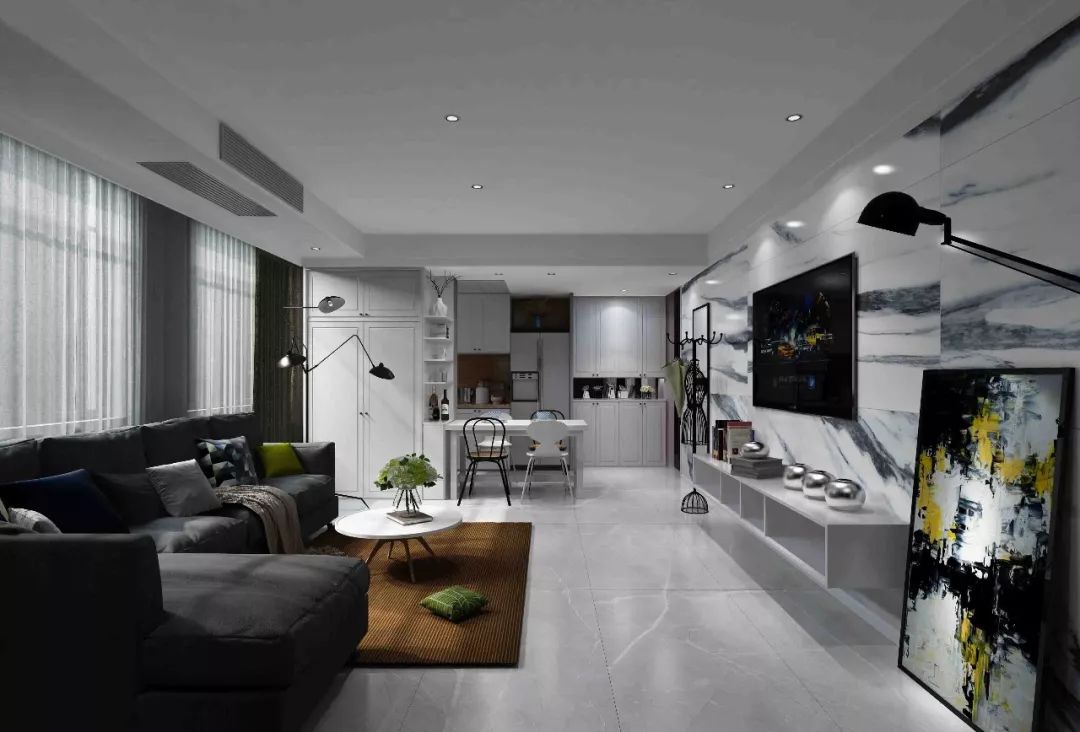
Ceramic Tile Production Process: Firing, Cooling, Polishing & Quality Assurance
In the previous article we covered raw material preparation through glaze application. Now we continue the ceramic tile production process, exploring firing in the roller kiln, cooling, polishing, inspection, and automated packaging. At Contigo Ceramics, these final stages are where precision engineering ensures every tile meets the highest standards.
11. Kiln Firing in the Roller Kiln
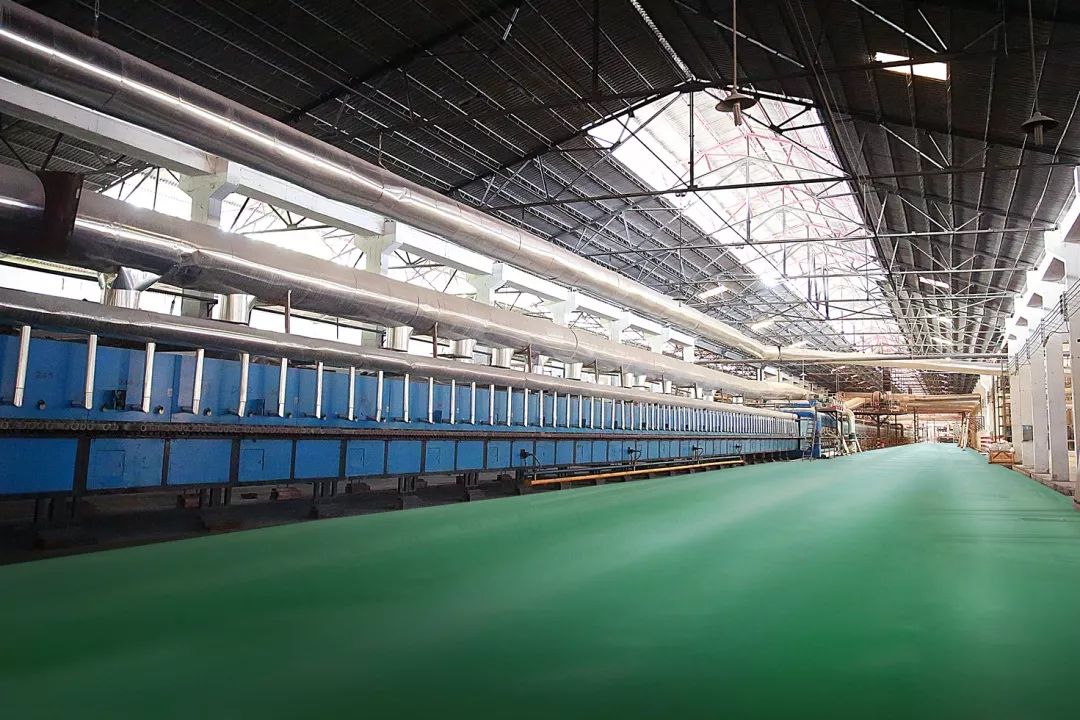
The glazed biscuits enter a 350‑meter‑long roller kiln where temperatures reach 1200°C. The kiln is divided into three zones—preheating, firing, and cooling—with temperature profiles strictly controlled by computer programs.
The tiles travel on rollers through the kiln, achieving full vitrification in just 70 minutes. This rapid, uniform heating is essential for achieving dense, low‑porosity porcelain tiles with excellent mechanical strength and frost resistance.
12. Cooling and Conveying
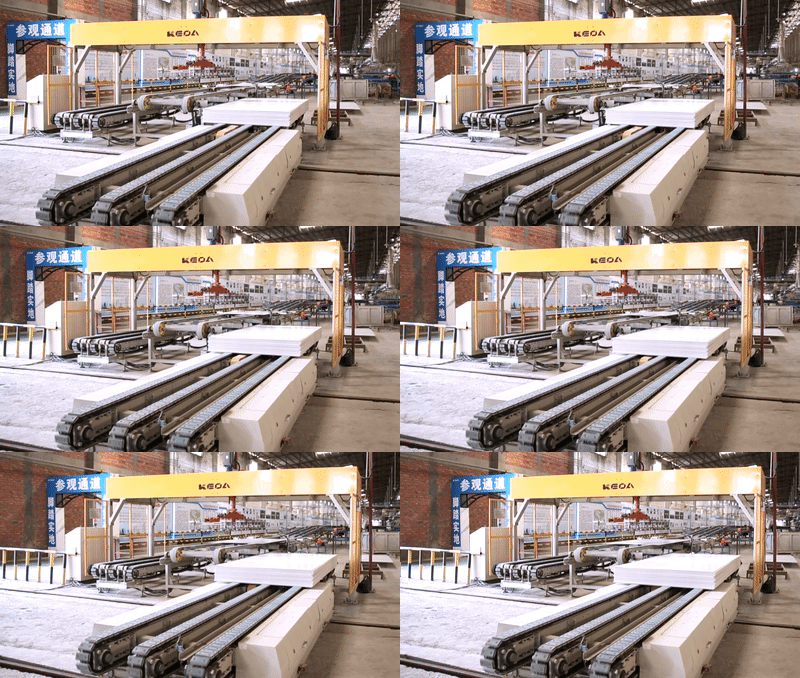
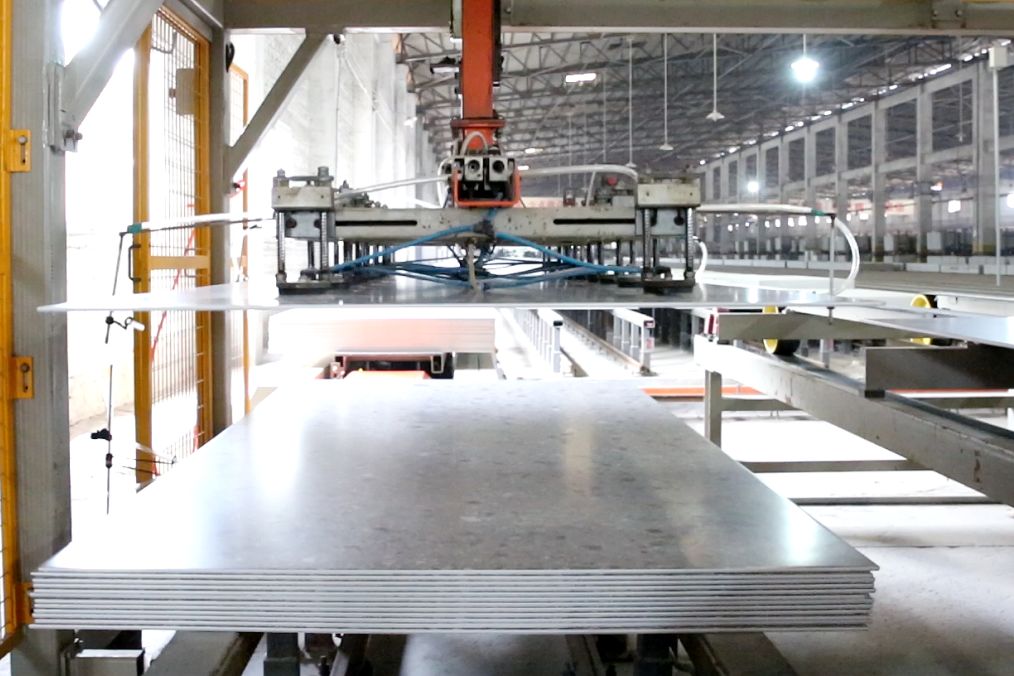
After firing, the tiles are still very hot and must be cooled carefully. The cooled porcelain slabs are transported by an intelligent conveyor line to the polishing workshop.
This automated system includes an upper and lower brick machine, a ferry transportation system, and orbital storage—enabling unmanned operation, reducing costs, and ensuring stable material flow.
13. Polishing (for Polished Porcelain Tiles)
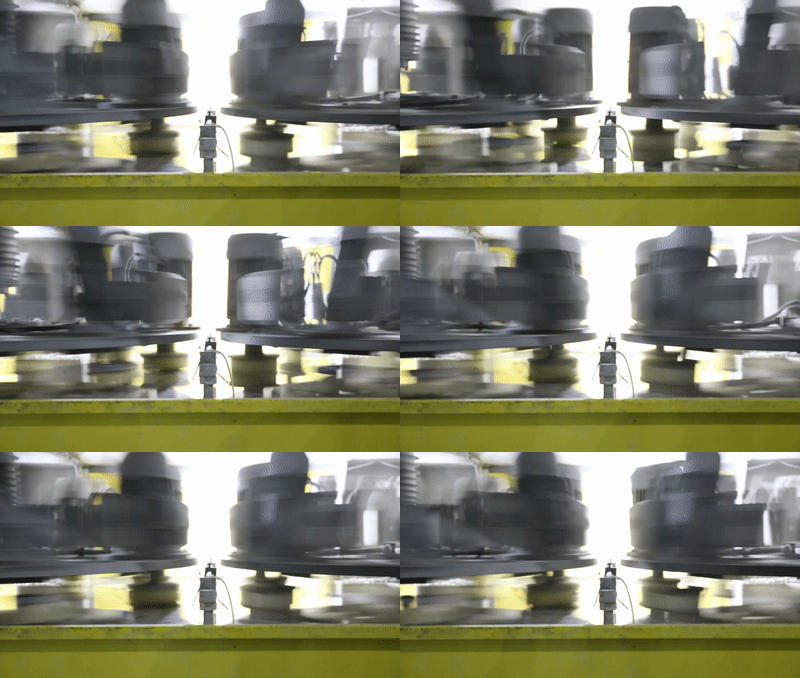
For polished porcelain tile products, the fired slabs undergo edge grinding and sizing before entering rough and medium polishing machines on the conveyor belt. Diamond abrasives grind the surface to a high gloss, revealing the full beauty of the stone‑like texture.
To enhance anti‑fouling properties, a nano‑scale protective coating is uniformly applied. This layer penetrates the tile surface, creating an invisible shield that maintains gloss, scratch resistance, and stain resistance over years of use.
14. Quality Inspection and Grading
Every tile undergoes both machine and manual inspection. On the assembly line, trained personnel check key quality indicators:
- Color consistency (ΔE values)
- Flatness and straightness
- Edge integrity
- Dimensions tolerance (caliber)
- Surface defects (spots, pinholes, scratches)
Tiles are then graded (e.g., First Grade, Second Grade) according to strict criteria. Only flawless or minor‑defect tiles proceed to premium packaging.
15. Automated Packaging
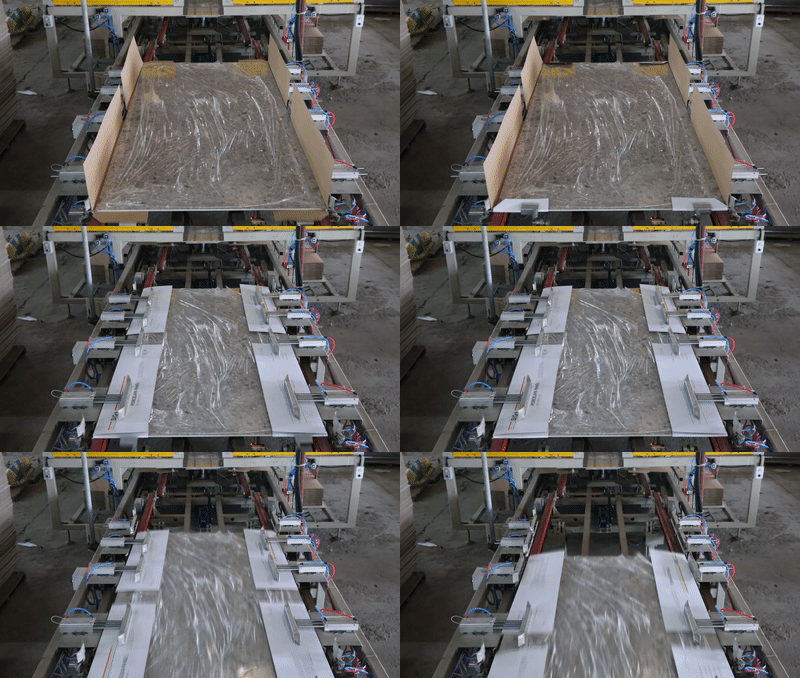
After inspection, finished tiles enter a fully automatic packaging line:
- Film wrapping (protective stretch film)
- Carton insertion
- Folding and sealing
- Strapping (plastic or steel)
- Palletizing and shrink‑wrapping
Large‑format large format tile are handled with special care to prevent edge chipping. The automated system ensures consistent packaging, reduces labor costs, and protects tiles during shipping.
Conclusion: The Complete Ceramic Tile Production Process
The ceramic tile production process is a blend of raw material science, precision machinery, and rigorous quality control. At our factory, every step—from ball milling to final palletizing—is optimized to deliver tiles that perform beautifully in residential, commercial, and industrial applications.
Want to see our production in action or discuss your tile specifications? Contact Contigo Ceramics today to arrange a virtual tour or request samples.