Address
No. 3F07, Tao Cube, No.68, CCIH, Jihua West Road,Chancheng District, Foshan City, Guangdong, China.

the factory direct | Contigo Ceramics

What Does “The Factory Direct” Actually Mean for Tile Buyers?
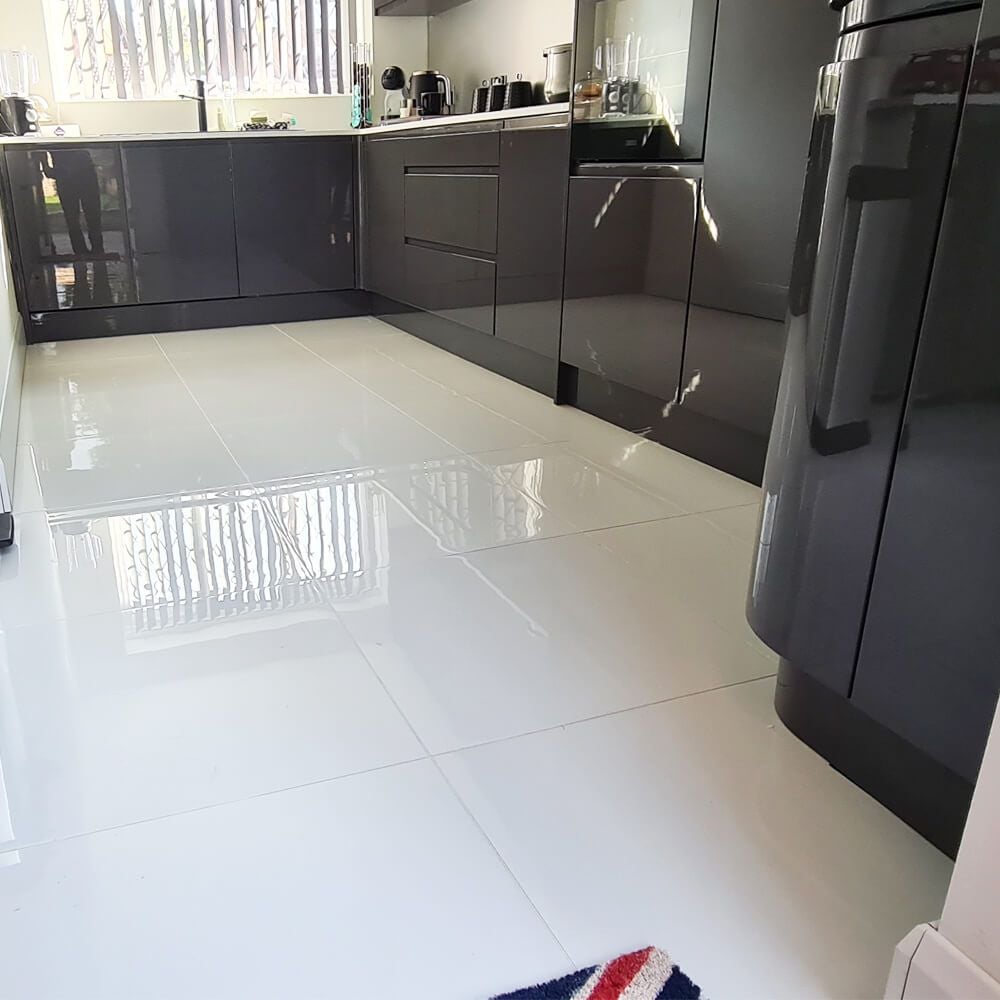
If you are reading this, you already understand the premise: the factory direct model removes wholesalers, distributors, and retail markups from the supply chain. The same porcelain tile that sells for $18–25 per square meter at a US distributor costs $4.20–5.80 FOB Foshan from our facility.
But knowing the number is only half the picture. The real question is: Can you trust a factory 7,000 miles away with your project budget?
We are Contigo Ceramics, a Foshan-based porcelain tile manufacturer operating in Nanzhuang — China’s ceramic tile capital. We have been exporting directly to contractors, importers, and developers since 2008. This article explains exactly how the factory direct model works, what you can expect for pricing and quality, and how to execute your first container order without surprises.
Factory Direct Comparison: A standard 600×600mm polished porcelain tile — same ISO 10545-3 certified quality — costs $4.80–5.40/m² FOB Foshan. The identical product at a US distributor averages $18.50–22.00/m². Savings: 68–74% before freight and duty.
Why “The Factory Direct” Model Wins for Commercial Tile Buyers
The global ceramic tile supply chain typically adds three to four layers of margin between the kiln and the job site. A Chinese manufacturer sells to a trading company, who sells to an overseas distributor, who sells to a retailer or contractor. Each layer adds 10–20%.
When you buy the factory direct, you eliminate the trading company and the distributor. You speak directly to the production manager. If there is a shade variation issue, you are talking to the person who can adjust the inkjet recipe — not a middleman who forwards emails.
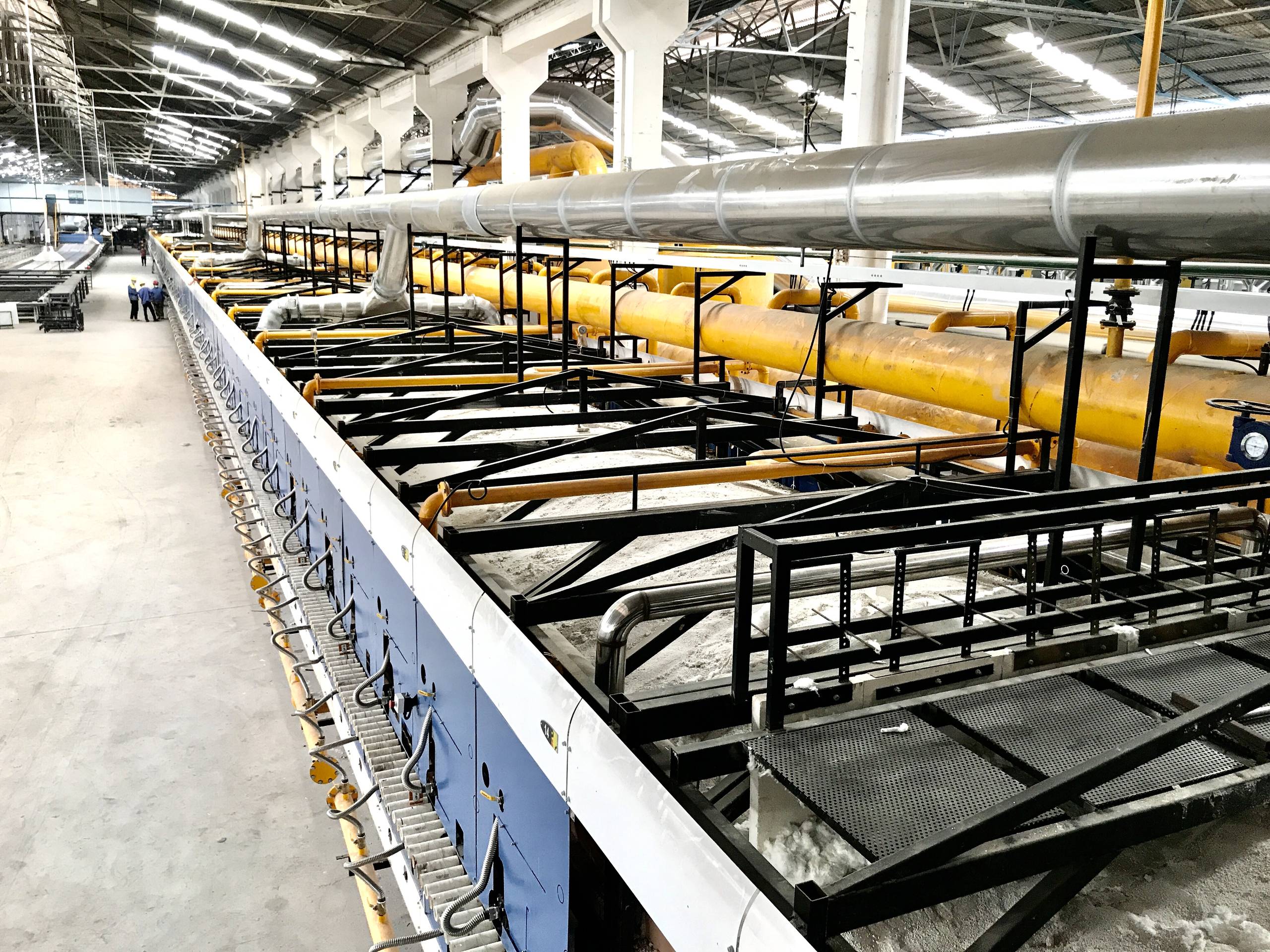
At our Foshan, China facility, we operate three 320-meter roller kilns firing at 1200–1250°C. We press tiles on 3600T to 7800T hydraulic presses and finish with digital inkjet printing and mechanical rectification. Every batch is tested for water absorption (ISO 10545-3), breaking strength (ISO 10545-4), and frost resistance (ISO 10545-12). You receive the QC report before shipping.
What You Actually Save — Real Numbers
Let us be specific. The pricing below reflects actual FOB Foshan port costs for July 2025 production runs. Ocean freight is separate and varies by destination.
| Product | Size | Thickness | Surface | FOB/m² |
|---|---|---|---|---|
| Polished Porcelain | 600×600mm | 9mm | Glossy | $4.20–5.80 |
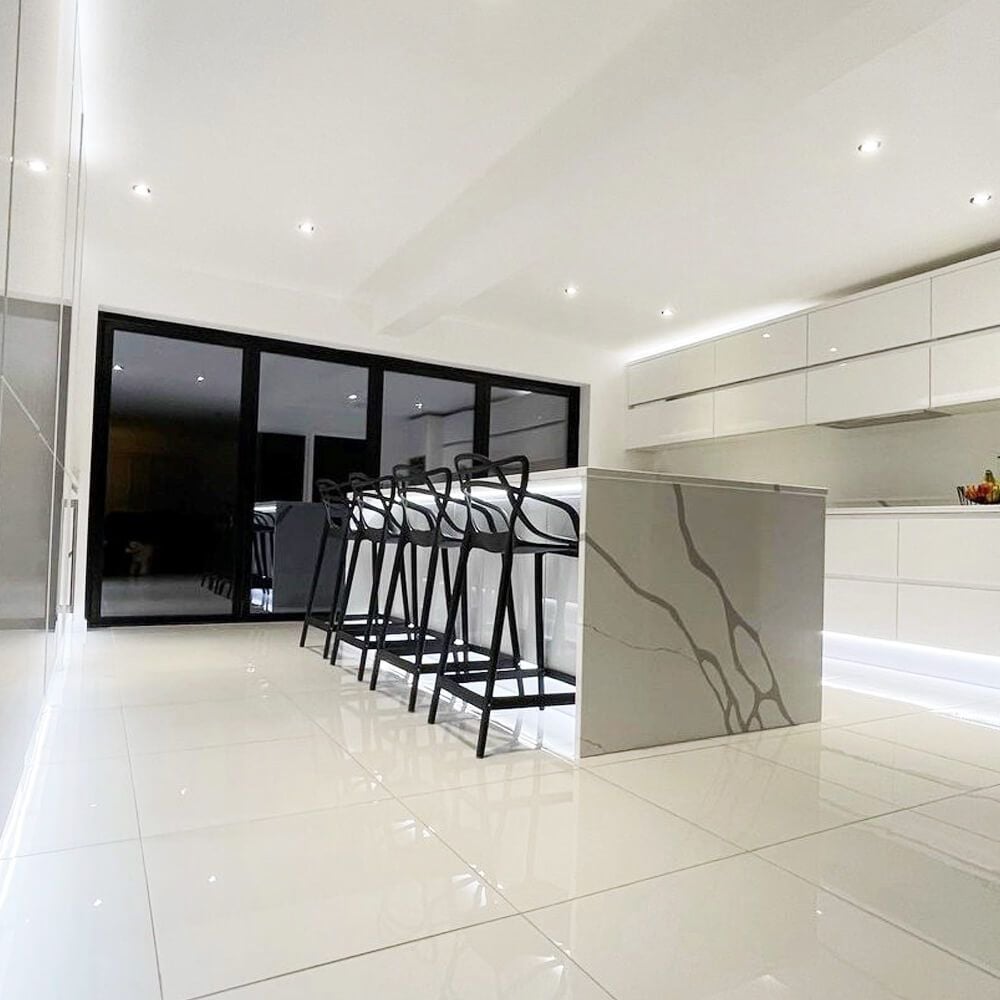
| Marble Look Porcelain | 800×800mm | 10mm | Glazed Polished | $5.60–7.40 |
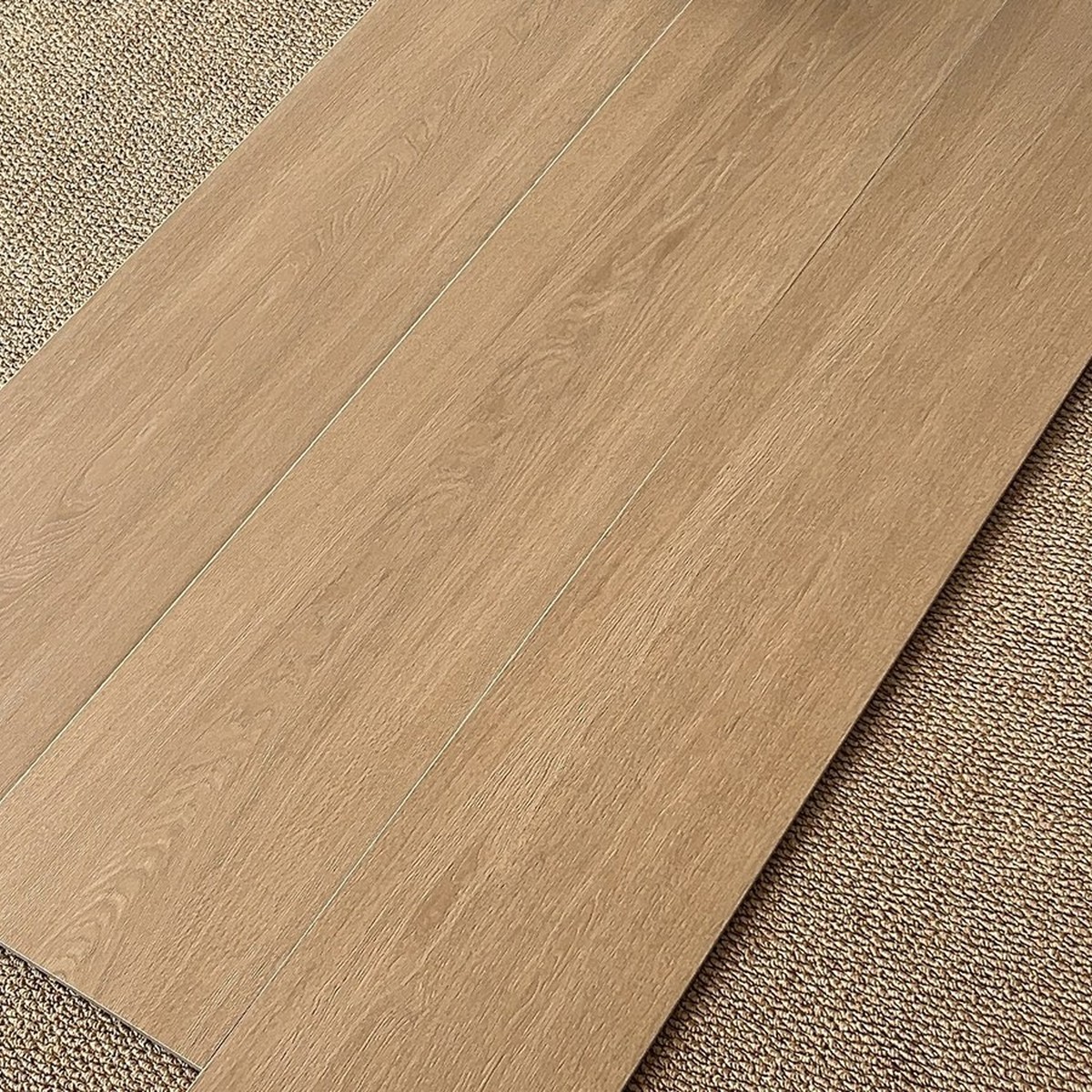
| Wood Look Porcelain | 200×1200mm | 9mm | Matt / Rustic | $5.90–7.80 |
| Outdoor Porcelain Paver | 600×600mm | 20mm | Matt / Textured | $9.80–12.50 |
| Large Format Slab | 1200×2400mm | 6mm | Polished / Matt | $14.20–18.60 |
Porcelain tile imports to the US grew 12% YoY in 2025, reaching $3.2 billion — USITC Dataweb
How Container Loading Works — Weight Limits, Not Space
This is where most first-time importers make a costly mistake. A 20-foot container can physically hold more tile than you are allowed to ship. Ports and shipping lines enforce a net cargo weight limit of approximately 27.5 metric tons (excluding container tare weight) for most destinations.
Standard 9mm Tile (600×600 format)
- 28 kg per box, 40 boxes per pallet = 1,120 kg/pallet
- 20ft container: 24 pallets = 960 boxes = 1,382.40 m²
- Why not more? 24 pallets × 1,120 kg = 26,880 kg — already at the limit.
Thin 7mm Tile (600×600 format)
- 21 kg per box, 44 boxes per pallet = 924 kg/pallet
- 20ft container: 30 pallets = 1,320 boxes = 1,900.80 m²
- The thinner body allows more boxes per pallet and more pallets per container — freight cost per m² drops significantly.
The 40ft Container Misconception
A 40-foot container has roughly double the internal volume of a 20-footer — but the same 27.5T weight limit applies. For dense products like tile, you hit the weight limit before you fill the space. A 40ft container of standard 9mm tile holds the same ~1,382 m² as a 20ft. You simply have empty space.
Smart importers use 40ft containers for mixed loads: tile + lightweight products such as furniture, décor, or packaging materials. The tile uses the weight allowance; the lightweight products use the extra space. This is a professional procurement strategy that separates experienced buyers from amateurs.
Shipping Reality — Transit Times and Port Options
From our loading port at Huangpu or Foshan, standard ocean transit times are:
- To Los Angeles / Long Beach: 18–22 days
- To Rotterdam / Hamburg: 28–32 days
- To Dubai / Jeddah: 14–18 days
- To Southeast Asia (Bangkok, Jakarta, Manila): 7–12 days
FOB vs CIF — Which Should You Choose?
FOB (Free On Board): You pay for the tiles plus loading at the departure port. You arrange ocean freight separately. More control, more paperwork, but you avoid our freight forwarder’s margin.
CIF (Cost, Insurance, Freight): We include ocean freight and insurance in the price. Simpler for first-time importers, but you pay a slight premium.
For experienced procurement teams, we recommend FOB. You control the shipping cost directly and can negotiate with your own forwarder.
Buyer Protections — How We Mitigate Risk
Importing from China carries perceived risk. Here is how we structure every transaction to protect both sides:
- Request a proforma invoice — include tile specs, quantity, and port of destination. We issue a formal PI within 24 hours.
- Confirm 30% deposit — production starts within 48 hours of payment clearance. Standard T/T terms.
- Production runs 15–25 days — you receive production photos and weekly updates.
- QC inspection before shipping — we test water absorption, breaking strength, frost resistance, and shade consistency. Report sent to you.
- Balance payment (70%) — due before shipping or against copy of Bill of Lading. Irrevocable L/C at sight available for larger orders.
- Shipment departs — you receive tracking and all shipping documents.
Key Fact: We welcome third-party inspection. You can engage SGS or Bureau Veritas to audit the batch at our factory before payment of the balance. Free samples (5–10 pieces, 10×10cm or 15×15cm) shipped within 3 days — you pay courier cost, typically $30–50.
Frequently Asked Questions from First-Time Importers
Is 1,382 m² per container too much for my project?
For a typical 200–300 m² home, one 20ft container covers 4–7 houses. For a commercial project — retail space, hotel lobby, apartment complex — one container is often a single floor or zone. Many buyers combine orders: one container of floor tile plus one of wall tile. If the volume is too large, talk to us about a mixed container (multiple products in one 20ft).
How do I know the color and shade will match?
We send physical samples before production. During production, we calibrate every batch using digital spectrophotometry — the same inkjet recipe used for the sample. Every production run is tested for shade consistency (ISO 10545-13). If the batch does not match the approved sample within CIELAB ΔE ≤ 1.5, we re-run it at our cost.
What about customs duties and tariffs?
Duty rates vary by destination country. For the US, ceramic tile imports fall under HTS 6908.90. The current rate is approximately 8.5% ad valorem for most porcelain tile. We provide full HS code documentation, commercial invoice, packing list, and certificate of origin. You or your customs broker handles duty payment at destination.
External Reference: International Trade Administration sourcing guides
How to Start Your Factory Direct Order
- Identify your project requirements — tile type, size, quantity, finish, and destination port.
- Request samples — email us your selection. We ship within 3 days.
- Review pricing and lead time — we send a proforma invoice with FOB or CIF pricing.
- Confirm order and send deposit — production begins within 48 hours.
- Inspect before shipping — review QC report or engage third-party inspection.
- Ship and track — we handle loading, documentation, and port clearance.
The factory direct model is not a gimmick. It is a proven supply chain strategy that saves 60–70% compared to distributor pricing. At Contigo Ceramics, we have been executing this model for over 15 years — every batch ISO 10545 certified, every shipment documented, every customer supported through the entire process.
Written by the Contigo Ceramics technical team, Foshan, China.
Request today’s proforma invoice for porcelain tile — include your target product type, quantity, and destination port. We respond within 24 hours with FOB pricing and a production timeline.
“The MOQ for factory-direct orders typically starts at one 20-foot container — about 1,400 m² of 9mm tile. For 20mm outdoor tiles, roughly 800 m² per container. This is the standard unit that keeps freight cost per square meter viable.”
Related reading: Complete Guide to Porcelain Tile Sourcing | Foshan Porcelain Tile Factory — Direct Manufacturer in Nanzhuang
Need factory-direct porcelain tile pricing?
Send your project details — sizes, quantity, and destination port — to [email protected]. Contigo Ceramics can provide catalog, FOB price list, packing details, and technical specifications for importers, distributors, contractors, and project buyers.
Prefer a faster response? 💬 Chat on WhatsApp — typically reply within hours during Foshan business hours.