Address
No. 3F07, Tao Cube, No.68, CCIH, Jihua West Road,Chancheng District, Foshan City, Guangdong, China.

Importing Polished Porcelain Tile to Germany – Regulations, Tariffs & Market Trends 2026

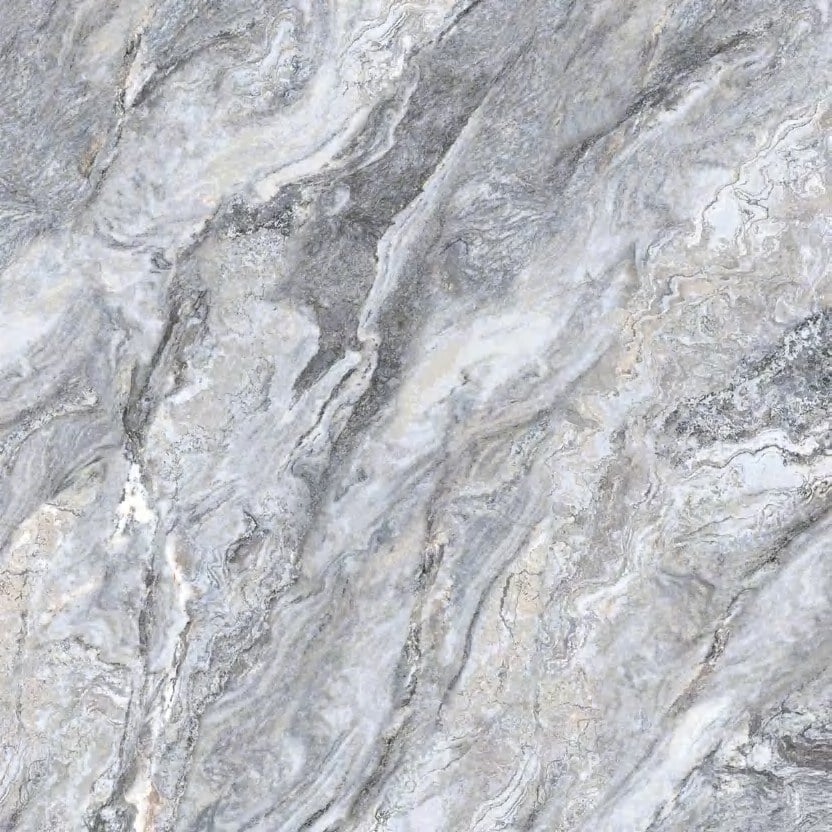
Germany remains the largest tile market in the European Union by value, importing over 100 million m² annually. For B2B buyers—distributors, importers, and specifiers—understanding the regulatory landscape, tariff structure, and shifting demand patterns is essential before placing a container order. This intelligence brief provides a factory-insider view of importing polished porcelain tile to Germany in 2026, covering everything from HS codes and CE marking to logistics and market trends.
At Contigo Ceramics, we have been manufacturing polished porcelain tile in Foshan, China, since 1999. Our products comply with ISO 10545 and TCNA/ANSI A137.1 standards, and we ship directly from our own kilns to your door. Below is the data you need before signing a purchase order.
1. Germany Tile Import Market Overview – Size, Growth & Key Data
Germany imported approximately 140 million m² of ceramic tiles in 2025, with polished porcelain tile accounting for roughly 28% of all imports (per industry estimates). The market is projected to grow at a CAGR of 3–4% through 2028, driven by infrastructure renovation, residential development, and commercial projects in the hospitality and retail sectors.
Key data points for 2026:
- Total import value: €1.6 billion (estimated)
- Share of porcelain tiles (polished + unglazed): ~60%
- Preferred sizes: 600×600 mm, 800×800 mm, 1200×600 mm (growing)
- Average selling price range: €12–22/m² for polished porcelain from Asia (FOB basis)
- Distribution channel: ~45% goes through specialized tile distributors, 30% through DIY hardware chains (we do not serve DIY directly – we supply to these distributors)
The shift toward large-format polished surfaces (1200×600 mm and 900×1800 mm) is accelerating, with rectified edges and high gloss finishes preferred in high-end residential and commercial spaces.
2. Import Regulations Table – HS Codes, Duty Rates & Required Certifications
| Parameter | Detail |
|---|---|
| HS Code (combined nomenclature) | 6907.21.00 – Glazed ceramic flags and paving, hearth or wall tiles; of a water absorption coefficient by weight ≤ 0.5% (polished porcelain falls here) |
| EU Common Customs Tariff (ad valorem) | 8.5% (for CN 6907.21) – applies to all non-EU imports unless exempted by free trade agreement |
| Anti-Dumping Duty on China-origin tiles | Currently up to 30% depending on exporter. Contigo Ceramics has a specific duty rate – contact us for exact percentage. The definitive anti-dumping duty expires in July 2026 (Regulation (EU) 2021/2079) – reimposition possible if review requested. |
| VAT (import) | 19% (reduced rate of 7% for certain applications, but standard for tiles) |
| CE Marking (mandatory) | Conformité Européenne. Necessary for construction products. Must comply with EN 14411:2016 (ceramic tiles). Requires Declaration of Performance (DoP) and CE label. |
| Additional German requirements | AgBB (German Committee for Health-Related Evaluation of Building Products) – VOC emission testing often requested by German clients. Must be performed annually. |
| Other recognized certifications | ISO 10545 (physical/mechanical testing), TCNA/ANSI A137.1 (standard for tile – voluntarily used to signal quality) |
| Third-party inspection need | Common: SGS, TÜV, or Intertek factory audit before shipment |
3. Certification Requirements Specific to Germany – CE, AgBB & Beyond
To sell polished porcelain tile legally in the German market, every shipment must carry the CE mark under the Construction Products Regulation (EU) 305/2011. This requires the manufacturer to issue a Declaration of Performance (DoP) based on harmonized standard EN 14411:2016 (Group B1 – glazed porcelain).
Key EN 14411 tests for polished porcelain:
- Water absorption: ≤0.5% (test according to ISO 10545-3)
- Modulus of rupture: average ≥35 N/mm² (ISO 10545-4)
- Surface abrasion resistance (PEI class): typically ≥ III for polished tiles
- Chemical resistance: must meet minimum classes
German-specific note: Many German importers or end-clients now require AgBB compliance for indoor tiles. The AgBB scheme sets limits for total volatile organic compounds (TVOC) and semi-volatile organic compounds (SVOC) emitted from building products. Our polished porcelain tiles are tested annually by independent labs – result sheets are available on request.
We also hold TCNA/ANSI A137.1 certification (Grade 1 for polished porcelain), which adds credibility with U.S. buyers but is also referenced in European projects for its rigorous dimensional and visual criteria. This certification is maintained via quarterly audits by Tile Council of North America.
4. Shipping and Logistics – Transit Times, Ports & Documentation
Typical export route from Foshan to Germany:
- Load port: Huangpu (near factory) or Shenzhen
- Destination ports: Hamburg (primary), Bremen, or transship via Rotterdam
- Transit time: 28–35 days by ocean freight (direct); sometimes 35–45 days if transshipment
- Container type: 20′ GP (fits ~800–1,000 m² of polished porcelain tile, depending on thickness and packaging)
Documentation checklist for German customs:
- Commercial invoice (with HS code 6907.21, FOB value, origin country)
- Packing list (with weight, dimensions, number of cartons/pallets)
- Bill of lading (house or master)
- CE Declaration of Performance (DoP) – must match batch marks on cartons
- Certificate of Origin (Form A for GSP China – may reduce duties if applicable, but current anti-dumping may override)
- Anti-Dumping Invoice Declaration (required by EU customs for Chinese tile imports)
- Customs broker in Germany is recommended – we can assist with introductions
- Large formats: 800×800 mm is standard, but 1200×600 mm and 900×1800 mm are gaining share, especially for floor-to-ceiling applications. Thickness: 10–12 mm (minimum 9 mm for flooring).
- High gloss finish: 80°+ gloss units (GU) remain popular for a sleek, marble-like look. Demand for through-body polished tiles (color runs through the entire thickness) for edge treatments in rectified formats.
- Neutral tones: Grey, beige, and white dominate; subtle veining patterns mimicking Calacatta or Statuario marble.
- Rectified edges: Minimize grout lines. Most German importers require ±0.2 mm calibration.
- Sustainability: Increasingly, clients ask for recycled content (post-consumer or post-industrial) and low-carbon manufacturing. Our factory uses recirculated water and waste-recovery processes.
- FOB pricing directly from the kiln owner – no middleman mark-up
- Full control over production schedule – we prioritize your container over aggregated orders
- Certification transparency – we share test reports and DoP documents before shipping
- MOQ one container (~1,000 m²) – no need to commit to full truckloads
- Current FOB Foshan/Huangpu prices for polished porcelain tile (800×800, 600×1200, 900×1800 mm)
- Anti-dumping duty calculation per container based on CN code 6907.21
- AgBB test results for our standard polished line
- Lead time quote for Q2–Q3 2026 delivery
Lead time: production 25–35 days after deposit, plus transit. We advise ordering 10 weeks before planned delivery.
5. Market Trends – What Polished Porcelain Tile Is Selling in Germany Right Now
German buyers in 2026 are requesting:
For a full portfolio, see our polished porcelain tile collection and large format options.
6. How Factory-Direct Sourcing Changes the Competitive Landscape
In the past, German importers relied on trading companies or agents in Foshan, which added 15–25% margin on top of factory prices. Factory-direct sourcing through Contigo Ceramics eliminates those layers. You receive:
Competitive advantage: Because we invest in ongoing CE and AgBB compliance, German importers avoid the cost of finding a second-tier supplier to fill gaps. Our full tile range also includes matte, glazed, and outdoor tiles for mixed containers (subject to approval).
7. FAQ – Importing Polished Porcelain Tile to Germany
Q: What are the anti-dumping duties on Chinese polished porcelain tiles entering Germany in 2026?
A: The current measure expiry is July 2026. Most Chinese exporters face duties between 0% and 30% depending on their cooperating status. Contigo Ceramics falls under the cooperating rate (contact us for exact number). If a review is launched, duties may continue. We monitor legislation closely and update clients upon booking.
Q: Do I need a GCC Mark or can CE alone be sufficient?
A: For Germany, CE marking is sufficient. There is no national mark required. However, some public projects may request additional testing (e.g., slip resistance for commercial floors). We can provide DCOF (dynamic coefficient of friction) test results on request.
Q: What is the typical payment term for factory-direct shipments to Germany?
A: Standard terms are 30% TT deposit and 70% against BL copy. For established importers with credit history, we may offer 30% deposit and balance after inspection at our loading port. L/C is possible but requires extra lead time.
Q: Are sample approvals possible before placing a container order?
A: Yes. We can send samples (approximately 30×30 cm) of any polished porcelain tile color/ finish to your German address via DHL/FedEx. Please contact us with your request. Sample freight is at cost, refundable on first order.
External Reference: ISO 10545 ceramic tile standards
8. Get Market-Specific FOB Pricing for Germany
Germany remains one of the most demanding markets for polished porcelain – but with the right certifications and logistical partner, it is highly profitable. We invite importers and distributors to reach out for:
No request is too small – MOQ is one container.