Address
No. 3F07, Tao Cube, No.68, CCIH, Jihua West Road,Chancheng District, Foshan City, Guangdong, China.

Wood Look Porcelain Tile Import South Africa: Tariffs, Regulations, and Market Opportunities in 2026

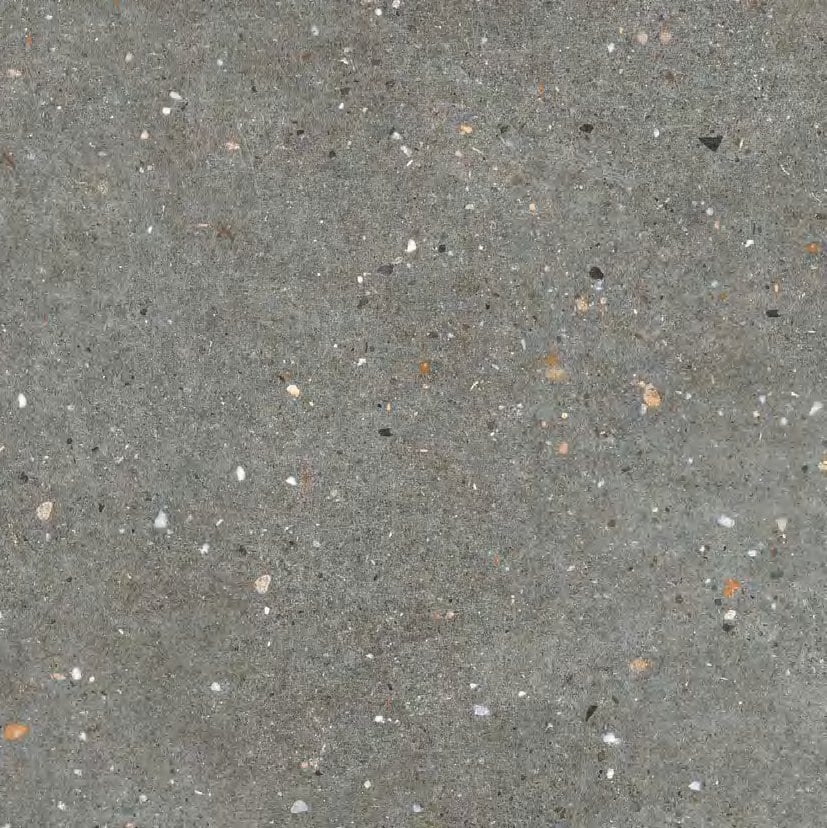
South Africa’s tile import market remains one of the most dynamic in Sub-Saharan Africa, valued at approximately R4.8 billion (USD $260 million) in 2024 and projected to grow at a CAGR of 5.8% through 2030. For importers and distributors, the wood look porcelain tile import South Africa regulations tariffs landscape represents the single most critical variable affecting landed cost and compliance. This brief provides a practical, factory-level roadmap for navigating the 2026 regulatory environment and capitalizing on market shifts.
1. South Africa Tile Import Market Overview
China remains the dominant supplier of porcelain tiles to South Africa, commanding over 50% of total import volume. The wood look segment has grown from 15% of total porcelain imports in 2020 to an estimated 28% in 2024, driven by residential developers and commercial specifiers seeking durable alternatives to traditional hardwood and laminate flooring.
Key market drivers include the national housing backlog (estimated at 2.3 million units), increasing hotel and hospitality construction, and a distinct shift toward hard surface flooring for longevity in high-traffic rental and commercial environments. The specification of wood look porcelain tile import South Africa regulations tariffs directly influences project feasibility, as importers must balance product aesthetics with strict local compliance standards.
2. Import Regulations & Tariffs Table
The South African Revenue Service (SARS) applies a Most Favored Nation (MFN) tariff rate to Chinese-origin porcelain tiles. All shipments must comply with the National Regulator for Compulsory Specifications (NRCS) under the compulsory specification for ceramic tiles. Below is the applicable 2026 schedule:
| HS Code | Description | Duty Rate (China MFN) | VAT | NRCS Standard Reference |
|---|---|---|---|---|
| 6907.21.00 | Glazed porcelain tiles, water absorption ≤ 0.5% (Most wood look lines, full-body vitrified) | 15% | 15% | SANS 10545 (Part 3, 4, 11) |
| 6907.22.00 | Glazed ceramic tiles, water absorption ≤ 10% (Lower-density equivalents, higher duty) | 20% | 15% | SANS 10545 (Part 3, 4, 11) |
| 6907.40.00 | Finishing media (single-fired, less common for wood look) | 20% – 25% | 15% | SANS 10545 |
Important note on AfCFTA: While the African Continental Free Trade Area theoretically allows preferential duty rates for signatory nations, China is not a signatory. Chinese tiles remain under standard MFN rates. Ensure your customs broker uses the correct HS 6907.21 classification to avoid overpayment.
3. Certification Requirements Specific to South Africa
South Africa does not accept blanket internal CE declarations for construction products. The NRCS enforces a strict compulsory specification. To legally place wood look porcelain tiles on the South African market, importers require compliance with SANS 10545 (which mirrors ISO 10545).
Critical Certification Steps:
- Letter of Authority (LOA) or Certificate of Compliance: The NRCS requires proof that the tile meets SANS 10545 from an ISO 17025 accredited laboratory. Contigo Ceramics provides comprehensive test reports covering water absorption (<0.5%), modulus of rupture (>35 N/mm²), chemical/ stain resistance, and DCOF (slip resistance).
- PEI Rating / MOHS Hardness: For commercial South African projects (hotels, retail centers, residential estates), a PEI 4 or PEI 5 rating is mandatory. Our wood look lines are tested to PEI 5 / MOHS 7.
- SANS 10044: For flooring installations, SANS 10044 provides the code of practice. While not a tile certification, it dictates installation requirements. Your supply contract should specify these standards.
SONCAP vs SASO: Importers often confuse SANS/SABS with SONCAP (which applies only to Nigeria). For South Africa, the correct framework is the NRCS compulsory specification for tiles, based on SANS 10545. Contigo Ceramics supports this process with full factory documentation.
4. Shipping and Logistics: Foshan to Durban
Transit time and port congestion directly impact pricing. South Africa’s container logistics have stabilized post-2023, but Durban remains the primary gateway for building materials.
- Route: Huangpu (Guangzhou) / Shenzhen / Foshan to Durban.
- Transit Time: 20-25 days direct. Cape Town and Johannesburg (via inland depot) add 5-10 days.
- MOQ: Contigo Ceramics operates on a 1x20ft container minimum (~900-1,100 m² per SKU depending on format and thickness).
- Documentation Required: Bill of Lading, Commercial Invoice, Packing List, Certificate of Origin (for MFN duty application), and the SANS 10545 Compliance Dossier. A pre-shipment inspection (such as SGS) is strongly recommended to confirm water absorption and dimensions before departure.
- Production Lead Time: 25-35 days from confirmation.
5. Market Trends: What Wood Look Porcelain Tile is Selling in South Africa Right Now
South African specifiers are moving away from traditional red oak and cherry tones. The current top performers are:
- “Greige” and Smoked Oak: Grey-beige neutral tones with subtle wire-brushed texture. These are dominating high-end residential and boutique hospitality projects.
- Large Format Planks: Sizes of 600x1200mm, 750x1500mm, and 200x1200mm (parquet pattern) are specification favorites. Our large format wood look collection meets SANS 10545 requirements for flatness and dimensional tolerance.
- Textured Matt Finishes: High-gloss is declining. Matt, structured, and “soft touch” surfaces that replicate natural wood grain are standard. These require careful attention to DCOF; Contigo guarantees a DCOF of ≥ 0.42 for wet area safety.
- Outdoor Grade Wood Look: Braai areas (patios), pool surrounds, and coastal properties demand low water absorption (<0.1%) and frost resistance. Our outdoor-rated wood look tile is produced with a higher alumina content to withstand UV and freeze-thaw cycles.
6. How Factory-Direct Sourcing Changes the Competitive Landscape
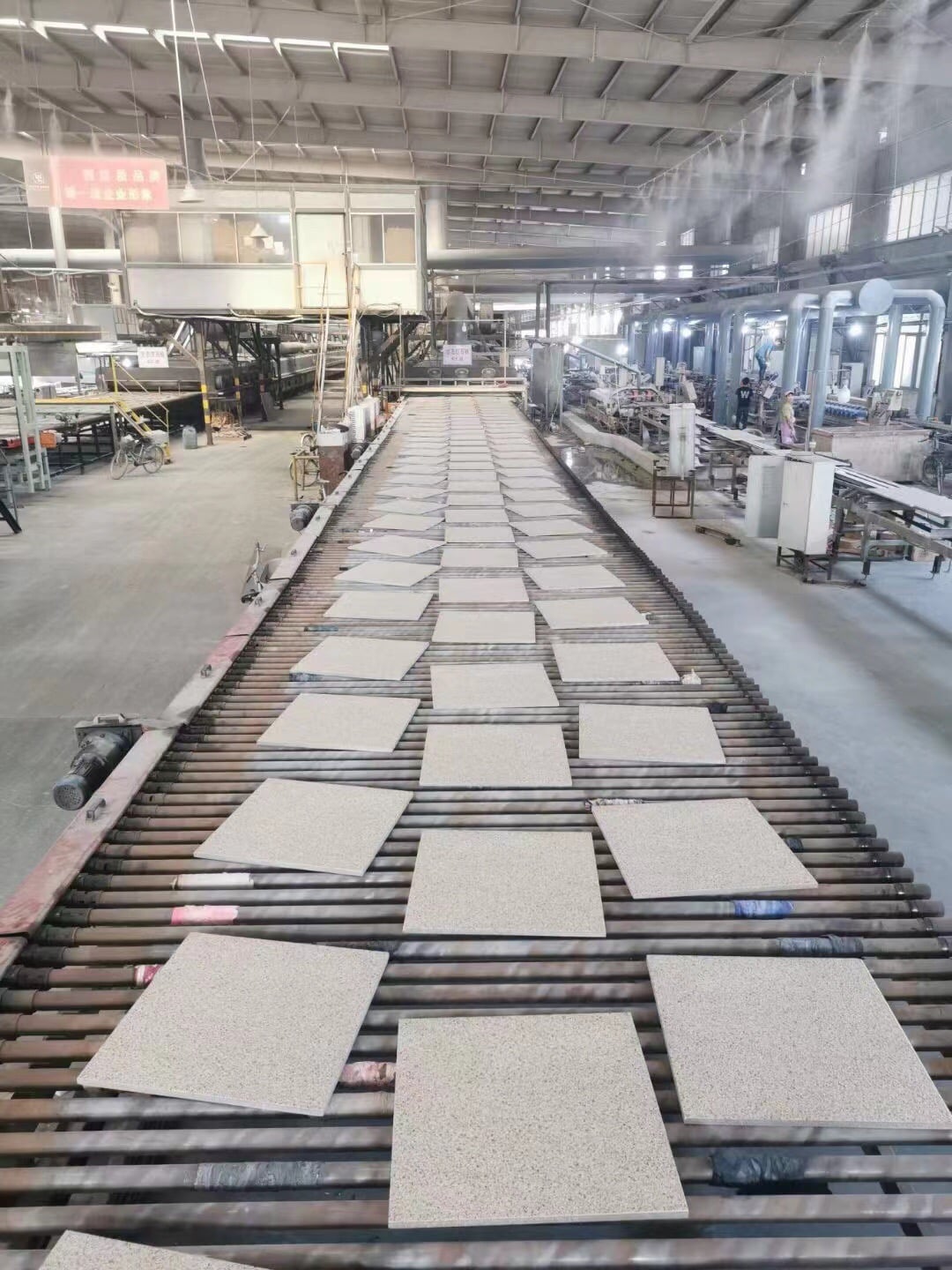
The traditional import model involves a South African distributor purchasing from a local agent, who marks up the factory price by 20-40%. By sourcing factory-direct from a certified manufacturer like Contigo Ceramics, importers reclaim that margin and gain control over compliance documentation.
Competitive Advantages:
- Cost Savings: FOB pricing from Contigo Ceramics allows South African importers to net landed costs approximately 18-25% lower than sourcing through a middleman.
- Compliance Control: We provide SANS 10545 test reports directly from our ISO 17025 accredited internal lab and third-party agencies (SGS/Intertek). This gives you the raw data needed to apply for your NRCS Letter of Authority.
- Private Labeling: Contigo offers OEM packaging and branding for established SA distributors looking to build their own brand equity against existing local suppliers. Our glazed tile and vitrified production lines are configured for rapid color and size changes.
Sourcing factory-direct effectively transforms the importer from a price-taker to a price-maker, provided they can manage the regulatory paperwork. That paperwork is significantly easier when the factory engineers products to ASTM C485 (TCNA) and ISO 10545 from the start.
7. Frequently Asked Questions (FAQ)
1. Do I need to send my wood look tiles to a South African lab for testing, or will factory tests suffice?
Factory tests from an ISO 17025 accredited lab (which Contigo uses) are generally accepted as proof of conformity for your NRCS application. However, the NRCS may request additional verification. We recommend engaging a local SA agent (such as SGS South Africa) to review your compliance dossier before shipment. We provide all raw data.
2. What exactly are the 2026 tariff rates for HS 6907.21 (wood look porcelain) from China?
As of Q1 2026, the basic customs duty is 15% plus 15% VAT. There is no anti-dumping duty currently applicable to Chinese porcelain tiles in South Africa (unlike the USA or some EU markets). The effective total landed cost adder is approximately 32.25% (15% duty + 15% VAT on the duty-inclusive value). Ensure your customs broker uses HS 6907.21.90 for general glazed porcelains.
3. What is the minimum order quantity for a test order to Cape Town?
One 20ft container, which holds approximately 900-1,100 m² depending on format. For example, a 750x1500mm format packs roughly 950 m². We can consolidate up to 3 different SKUs per container, allowing you to test two wood look colors plus a complementary polished porcelain tile for feature areas.
4. Can I supply government tenders with Contigo wood look porcelain tile?
Yes. South African public sector tenders require bidders to demonstrate SANS compliance and B-BBEE certification. While Contigo provides the product compliance (PEI, MOHS, DCOF, water absorption), your company structure handles the B-BBEE scorecard. We support your tender submission with full technical documentation and certificate of origin.
External Reference: ISO 10545 ceramic tile standards
8. Secure Your Supply Chain for 2026
The South African wood look porcelain market rewards importers who combine strong product selection with rigorous regulatory compliance. As a factory with over 20 years of export experience in Foshan, Contigo Ceramics produces tiles certified to ISO 10545 and TCNA ANSI A137.1 standards. We understand the specific requirements of the NRCS and the requirements of South African commercial specifiers.
Do not let regulatory complexity delay your shipments. Contact our export team for a complete compliance dossier and FOB pricing tailored to the South African corridor.
Contact Us for South Africa FOB Pricing & Compliance Documentation