Address
No. 3F07, Tao Cube, No.68, CCIH, Jihua West Road,Chancheng District, Foshan City, Guangdong, China.

Singapore Wood Look Porcelain Tile Import 2026: Regulations, Tariffs & Market Intelligence

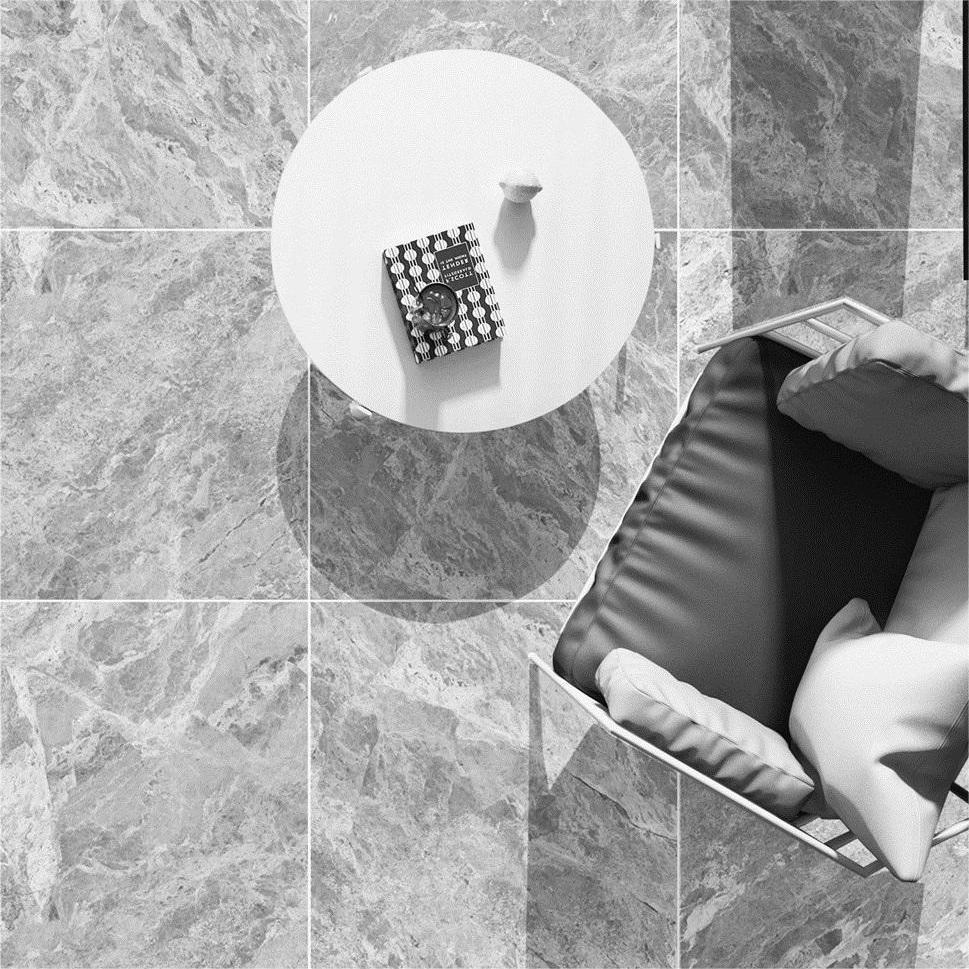
Singapore has long been a strategic hub for building materials in Southeast Asia, driven by high-density residential projects, commercial refurbishments, and a strong design-forward culture. Among tile categories, wood-look porcelain tile has surged in popularity as specifiers seek the natural warmth of timber without the maintenance — especially in tropical humidity. This market intelligence brief provides Singapore-based importers, distributors, and project buyers with a data-rich overview of the regulatory landscape, tariff structure, logistics, and demand trends for 2026. Written from the perspective of a Foshan factory with 20+ years of direct export, we focus on actionable procurement insights — not generic supplier listings.
1. Singapore Tile Import Market Overview
Singapore imported approximately USD 245 million worth of ceramic and porcelain tiles in 2025, according to preliminary trade data. Of that, wood-look porcelain tile accounted for an estimated 18% of import volume — up from 12% in 2020, reflecting a CAGR of ~8.5%. Growth is fueled by condominium interior upgrades, HDB flat renovations, and hospitality refurbishments. The market is dominated by glazed porcelain tile (HS 6908) imported from China (60% share), Italy (20%), and India (10%). Import volumes are projected to increase 4–6% in 2026, driven by government programs for the built environment and private sector green retrofits.
Key driver: Singapore’s Building and Construction Authority (BCA) reported construction demand reaching SGD 35 billion in 2025, with residential projects accounting for 45%. Wood-look porcelain is preferred in bathrooms, balcony flooring, and living areas due to its water resistance (PEI 4–5 rating) and slip resistance (COF ≥ 0.6). Importers targeting this segment should expect tighter quality requirements from developers, including documented ISO 10545 test reports and ANSI A137.1 compliance — both of which Contigo Ceramics has maintained since our founding.
2. Import Regulations & Tariffs Table
Singapore imposes zero customs duty on ceramic tiles imported from China under the ASEAN-China Free Trade Agreement (ACFTA), provided the goods meet qualifying origin criteria. However, Goods and Services Tax (GST) applies at the point of import. Below is the official classification for wood-look porcelain tile:
| Parameter | Details |
|---|---|
| HS Code | 6908.90.00 – Glazed ceramic flags, tiles, hearth or wall tiles (porcelain body with glaze) |
| Duty Rate | 0% (under ACFTA with Certificate of Origin Form E) |
| GST (import) | 9% (applies on CIF value + duty if applicable; effective from 2024) |
| Mandatory Standards | Singapore Standard SS 348:2004 (ceramic tiles) – voluntary but widely required; ISO 10545 series is accepted as equivalent technical reference |
| Additional Certifications | TCNA/ANSI A137.1 (for US-spec projects); CE marking (for European-led designs); no SASO or SONCAP required for Singapore |
| Import Licensing | Not required for ceramic tiles; but customs may request pre‑shipment inspection for quality verification (rare) |
Note: Importers must register for GST (if annual turnover exceeds SGD 1 million) and submit import permit via TradeNet. Contigo Ceramics provides all shipping documents supporting zero-duty claims, including Certificate of Origin Form E issued by the China Chamber of Commerce.
3. Certification Requirements Specific to Singapore
While Singapore does not mandate a single national tile certification, major buyers (developers, government agencies) typically require compliance with ISO 10545 test methods for dimensional tolerance (ISO 10545-2), water absorption (ISO 10545-3), flexural strength (ISO 10545-4), surface abrasion resistance (ISO 10545-7), and frost resistance (ISO 10545-12 for outdoor use). Additionally, ANSI A137.1 classification (standard at TCNA) is increasingly requested in private developer projects to align with international specification formats.
Contigo Ceramics’ wood-look porcelain tile lines are tested at Guangdong Certified Testing Center and carry:
- ISO 10545 compliance reports (all sections)
- ANSI A137.1 PEI rating (usually PEI 4 or 5)
- COF ≥ 0.6 for slip resistance
- Formaldehyd-free and REACH compliant
Importers should ask for factory test certificates that match specific batch numbers — we provide these with every container.
4. Shipping & Logistics – China to Singapore
FOB loading port is usually Huangpu (Guangzhou) or Foshan via the Nansha terminal. Transit time to Port of Singapore is 7–12 days for direct express services. Documentation checklist:
- Commercial invoice
- Packing list
- Bill of Lading (original or telex release)
- Certificate of Origin Form E for zero duty
- Fumigation certificate for wooden pallets
- Insurance certificate (recommended 110% of CIF)
Production timeline: 25–35 days after confirmed order and 30% down payment. MOQ is one 20ft container (approx. 1,000 m² depending on tile thickness and size). Contigo Ceramics also offers break-bulk consolidation for larger orders (multiple containers) with China-based logistics coordination. Shipping cost per 20ft container from Guangzhou to Singapore ranges USD 600–900 depending on carrier and season.
5. Market Trends – What Wood Look Porcelain Tile Is Selling in Singapore Right Now
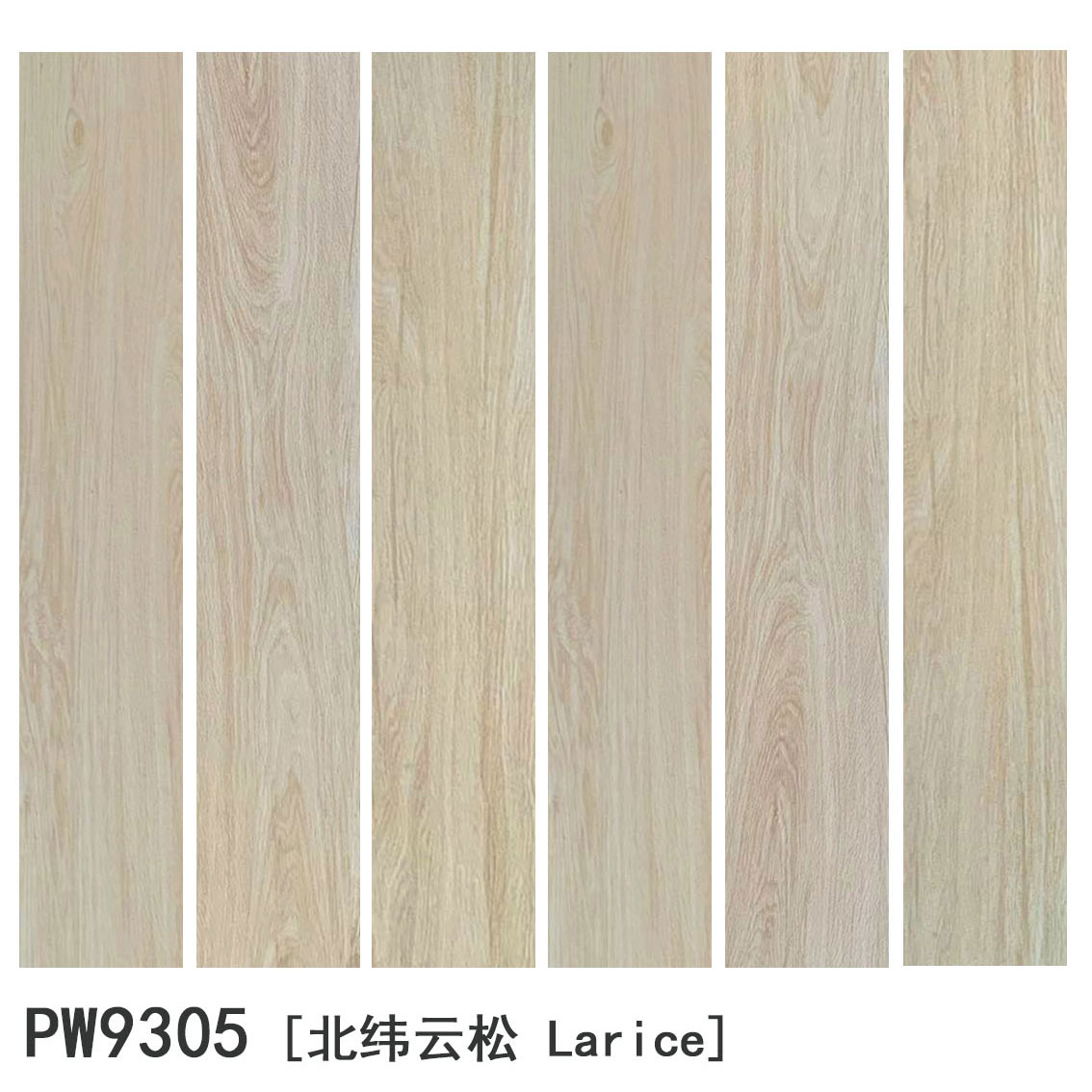
Singapore’s interior design preferences have shifted toward matt-finished wood-look planks in wide formats, particularly 200×1200mm and 600×1200mm. Color-wise, light oak, walnut, and ash grey dominate residential projects; darker, smoked tones (charcoal, dark walnut) are popular in commercial F&B outlets. Large-format slabs (900×1800mm) are gaining traction for continuous floor runs in condominium show suites and open-plan offices.
According to industry feedback, three key specifications are non‑negotiable:
- Water absorption ≤ 0.5% (porcelain body) – essential for balcony and bathroom use
- Dimensional calibration ≤ ±0.2% for rectified edges (minimal grout lines)
- Anti-slip finish (R10–R11) for wet areas
Contigo Ceramics’ best-selling series features through-body glazed (TBG) technology, ensuring color consistency even after beveling. Our large-format collection in 900×1800mm is particularly popular among Singapore specifiers who prefer seamless surfaces in hospitality projects.
6. How Factory-Direct Sourcing Changes the Competitive Landscape
Most imported wood-look porcelain in Singapore passes through regional distributors in Johor Bahru or local stockists, adding a 15–25% margin. By sourcing direct from a Foshan factory like Contigo Ceramics, importers eliminate intermediary markups and gain direct control over:
- Custom sizes & finishes – request planks, hexagons, or custom ice‑crackle effects without minimum upcharges
- Quality consistency – own kiln with automated spray‑dryer and digital printer (Intesa 5‑color press)
- Private labeling – your brand on the box and backstamp
- FOB pricing at production cost – typically 20–30% below distributor list prices
For example, a single 20ft container of 600×1200mm wood-look porcelain at $5.80/m² FOB can land at $7.20/m² after freight and GST, versus $9.50–11.00 from local stockists. This margin advantage becomes critical when bidding for large residential projects (≥1,000 m²). We also provide free samples (air freight prepaid) to support specification meetings.
7. FAQ – Importing Wood Look Porcelain Tile to Singapore
What is the minimum order quantity for factory-direct tiles?
Contigo Ceramics requires a minimum of one 20ft container (approx. 1,000 m² per product design). We can combine up to three different designs within the same container at no extra charge.
Do I need any special license to import ceramic tiles into Singapore?
No import license is required. You will need to register for GST (if not exempted) and submit an import permit via TradeNet. Contigo supplies all necessary shipping documents and the Certificate of Origin Form E for duty-free entry.
What certifications should I ask the factory for?
Request ISO 10545 test reports (especially water absorption, breaking strength, and abrasion resistance) and ANSI A137.1 classification. Many Singapore buyers also require REACH & RoHS compliance for formaldehyde and heavy metals — all provided by Contigo.
How long is the typical lead time from order to delivery in Singapore?
Production takes 25–35 days after deposit, followed by 7–12 days of sea freight from Foshan to Singapore port. Total lead time: 32–47 days (excluding customs clearance).
External Reference: ISO 10545 ceramic tile standards
8. Get Market-Specific FOB Pricing for Singapore
Understanding landed cost in Singapore starts with a reliable factory partner. Contigo Ceramics offers customized FOB/Huangpu pricing for all wood-look porcelain collections — from classic oak to exotic walnut, in sizes from 200×1200mm to 900×1800mm. Each shipment is backed by ISO 10545 and ANSI A137.1 certification, plus full documentation for duty-free import. Contact us directly at /contact-us/ to receive a detailed quotation with clear break-down of FOB, freight estimate, and recommended MOQ for your target project. We respond within 24 business hours.