Address
No. 3F07, Tao Cube, No.68, CCIH, Jihua West Road,Chancheng District, Foshan City, Guangdong, China.

How to Verify a 20mm Outdoor Porcelain Tile Supplier in China — A Complete Audit Checklist for UAE Importers

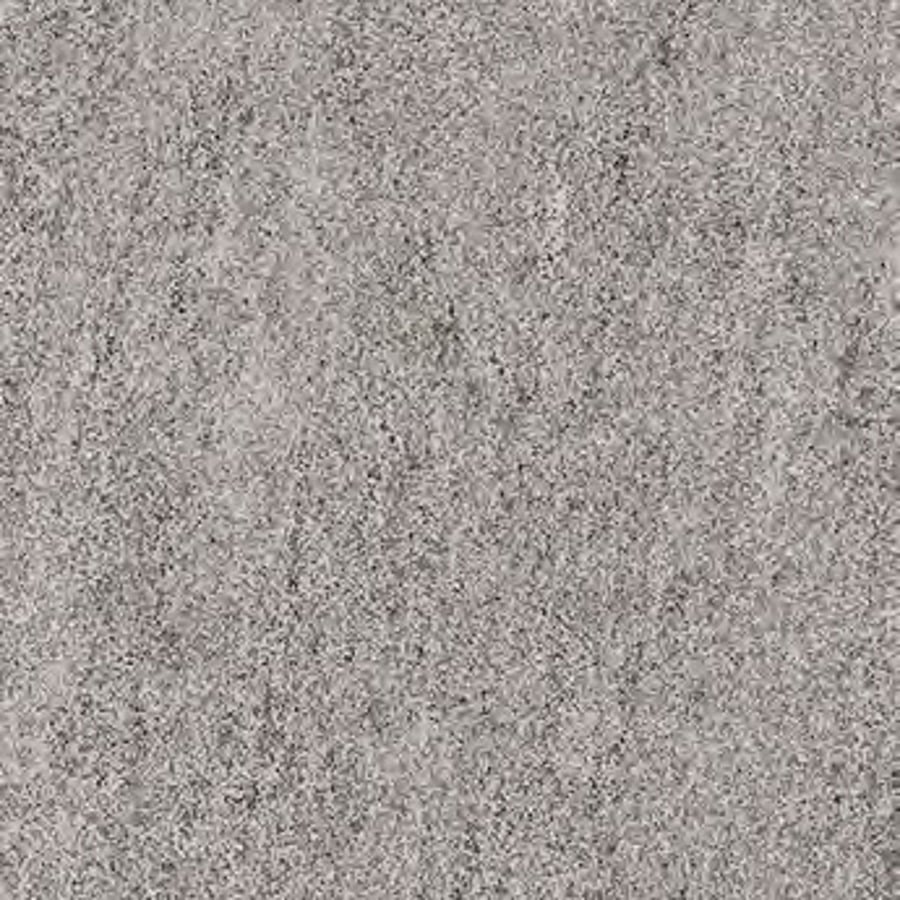
For United Arab Emirates importers, sourcing 20mm outdoor porcelain tiles from Chinese manufacturers offers unmatched value—but only when you verify the supplier thoroughly. A single misstep can result in tiles that crack under desert heat, inconsistent color batches, or months of delayed shipments. This guide provides a step‑by‑step factory audit checklist tailored to 20mm outdoor porcelain tile factory audit quality inspection China best practices, helping you separate genuine manufacturers from trading companies before you commit a single Dirham.
Why Verifying a Chinese 20mm Outdoor Porcelain Tile Supplier Matters
Buying sight‑unseen from China carries real risks: substandard raw materials, inconsistent firing temperatures, and misrepresented certifications. The 20mm thickness required for outdoor applications demands precise pressing and sintering control. A factory that can’t maintain ±0.5mm thickness tolerance will cause costly installation problems in UAE pedestrian zones, pool decks, and roof terraces.
Additionally, many “factories” are actually trading companies based in Foshan who source from multiple kilns. You lose quality oversight, FOB pricing (typically $15–$25/m² for 20mm porcelain), and accountability. Contigo Ceramics, with 20+ years of direct production in Guangdong, publishes its own kiln specifications and MOQ of one 20‑foot container (~1,000m²). Every UAE importer should demand the same transparency.
Factory Audit Checklist Table — 10 Critical Verification Points
| # | Check Item | How to Verify | Why It Matters |
|---|---|---|---|
| 1 | Business License (统一社会信用代码) | Request scanned copy; verify via China’s National Enterprise Credit Information System (www.gsxt.gov.cn) | Confirms legal registration and registered capital – genuine factories show ≥10 million RMB. |
| 2 | Export License & Customs Registration | Ask for Customs Registration Number (海关注册登记) | Without this, the supplier cannot export directly – a trading company will use a third‑party agent. |
| 3 | Live Video Tour (WeChat or WhatsApp) | Schedule a 15‑minute real‑time walkthrough – see Section 3 below | Reveals production noise, kiln control panels, and actual stock. |
| 4 | Sample Quality & Dimensional Check | Request 3–5 samples; measure thickness, length, width, and flatness | 20mm tiles should show ≤0.3% size deviation – ANSI A137.1 (Floor Tile) requires 0.75% max. |
| 5 | ISO 10545 Test Reports | Insist on third‑party reports (SGS/Bureau Veritas) for water absorption (<0.5%), breaking strength (>1300N), and chemical resistance | Ensure compliance with UAE climate – low absorption prevents freeze‑thaw damage. |
| 6 | CE Marking & Declaration of Performance (DoP) | Check CE certificate number on European Commission database (ec.europa.eu) – avoid self‑declared marks | Mandatory for many Gulf projects; genuine CE means EN 14411 classification B1a. |
| 7 | Reference Clients (Middle East focus) | Ask for 3‑5 recent shipments to UAE, Saudi, or Qatar; request Bill of Lading copies | Proves experience in regional logistics and documentation. |
| 8 | Production Capacity & Kiln Line Count | How many square meters per day? Ask for kiln type (SACMI, System, Keda) and number of presses | Honest factories quote 5,000–15,000 m²/day; traders claim 50,000+ m²/day without details. |
| 9 | In‑House Quality Lab | Request photos/video of water absorption testing (Archimedes method), modulus of rupture test, and color spectrometer | No lab means no real quality control – samples may be cherry‑picked. |
| 10 | FOB Port & Logistics Partnership | Confirm FOB Foshan or Huangpu; ask for preferred freight forwarder details | Direct FOB with factory’s own logistics lowers risk of port delays. |
How to Conduct a Video Factory Tour via WeChat — What to Look For
A pre‑recorded video is not enough. Schedule a live video tour during Chinese business hours (8:00–12:00, 13:30–17:30 CST). Use WeChat’s real‑time video call. Here is what experienced Contigo Ceramics observers examine:
- Production noise level: Genuine kilns produce a constant, controlled roar. Dead silence or background music suggests a showroom, not a factory.
- Kiln control panel: Ask to see the temperature display. Firing 20mm porcelain requires 1220–1250°C with a cycle of 60–90 minutes. A modular display with multiple zones indicates real manufacturing.
- Warehouse stock: Look for pallets of Outdoor Porcelain Tiles with consistent batch numbers. Stacked cardboard cartons with random labels may be repacked from different sources.
- Raw material silos: Firing 20mm tiles needs high‑quality clay, feldspar, and kaolin in precise ratios. Ask to see the ball mill room.
If the supplier refuses a live tour or insists on a “virtual tour” via pre‑edited clips, treat it as a major red flag. Contigo Ceramics routinely schedules live tours for UAE buyers — any serious factory will do the same.
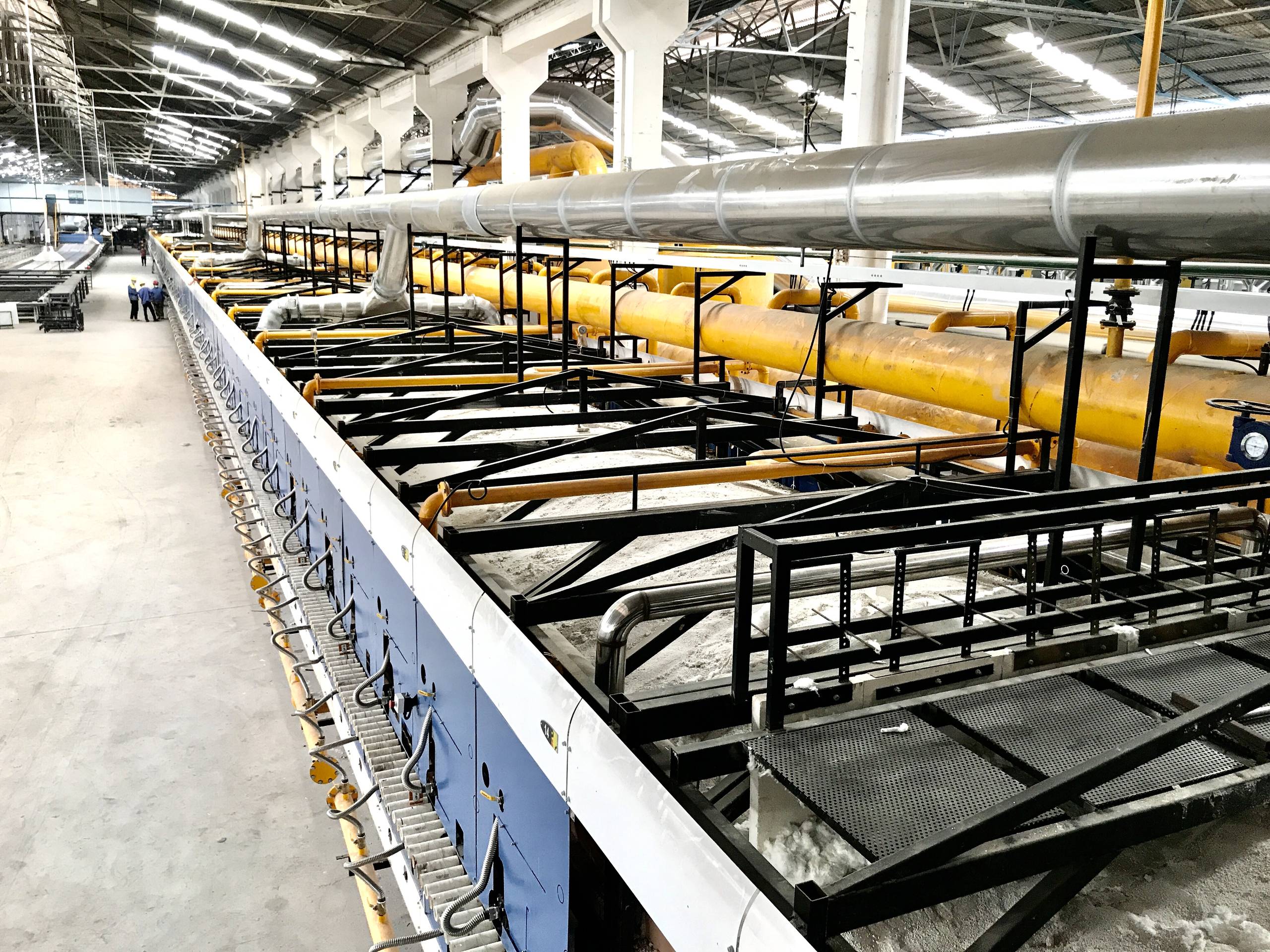
Certification Guide: How to Verify ISO 10545, CE Marking & Country‑Specific Requirements
UAE importers must distinguish between real certifications and decorative printouts. Follow these verification steps:
ISO 10545
The international standard for ceramic tiles covers 21 test methods. For outdoor 20mm porcelain, focus on ISO 10545‑3 (water absorption), ISO 10545‑4 (breaking strength), and ISO 10545‑11 (crazing resistance). Request the original test report from a third‑party laboratory such as SGS, Bureau Veritas, or TÜV Rheinland. The report should show the laboratory’s accreditation (e.g., CNAS or ILAC). Cross‑check the report number on the lab’s website. View ISO 10545 official scope.
CE Marking
Most Chinese tile factories declare CE marking under Module A (internal production control). For higher trust, look for certificates issued by notified bodies (e.g., ITC, CATAS). The Declaration of Performance (DoP) must mention EN 14411:2016 group B1a for porcelain. Check the certificate number on the European Commission’s NANDO database.
TCNA / ANSI A137.1
While not mandatory for China exports, many UAE projects reference ANSI A137.1 for floor tile quality. Contigo Ceramics tests its 20mm outdoor tiles against ANSI A137.1 criteria (especially for flatness, thickness uniformity, and coefficient of friction). TCNA provides the full standard reference. Beware of suppliers that show an “ANSI certificate” — ANSI does not issue certificates; they only accredit certifiers.
Third‑Party Inspection: SGS / Bureau Veritas / TÜV — Cost, Process & What They Check
For UAE importers, third‑party inspection is the gold standard. The cost is approximately $400–$800 per inspection day, depending on the lab and number of SKUs. Most inspections include:
- Pre‑shipment inspection (PSI): Check quantity, packaging, marking, and random samples for dimensional tolerance.
- Quality control: Water absorption, breaking strength, and color shade evaluation using spectrophotometer.
- Loading supervision: Verify container seals and loading photos.
Insist on ISO 10545 test cuts from the same production batch. Many UAE importers schedule an SGS inspection at the factory before release — we strongly recommend this for 20mm tiles because thickness deviation beyond 0.5mm will cause uneven paving. Contigo Ceramics opens its production line to SGS on request without extra delay.
5 Red Flags of a Trading Company Posing as a Factory
- They cannot provide a live video tour during Chinese working hours. A real factory runs 24/7; daytime tours are never inconvenient.
- The business license lists a “service” or “trade” scope. Look for “manufacture and sales of ceramic tiles” (陶瓷砖制造).
- They claim “ISO 9001” but cannot show an audit report from a recognized certifier (e.g., SGS, BSI). Self‑claimed ISO is worthless.
- They offer MOQ of 50m² or less. A real factory’s minimal production run is a container; any smaller MOQ indicates they are sourcing from multiple suppliers.
- They avoid giving their physical address or factory name in Chinese. Genuine Contigo Ceramics has its full address: 广东省佛山市禅城区石湾镇XX路. Trading companies often use virtual offices.
Frequently Asked Questions — Supplier Verification
Can I trust a supplier that sends samples but refuses a factory visit?
No. Samples can be hand‑selected. A factory that refuses a live tour almost certainly ships from different sources. Always request a live video walkthrough first.
How long does a typical audit take for 20mm outdoor porcelain tiles?
Document verification + video tour: 2–3 hours. Third‑party inspection at the factory: 1–2 days. Plan at least 10 working days before placing an order.
What documents should I demand before signing a contract?
Business license, export license, ISO 10545 test report (third‑party), CE DoP, and a proforma invoice with FOB Foshan/Huangpu terms. Also request a sample set with written confirmation that production will match the sample’s shade and size.
Is a factory direct price always lower than a trader?
Not always, but a factory can negotiate better on MOQ and customization. For 20mm outdoor tiles, factory‑direct pricing typically saves 10–20% over trading companies — and you get direct accountability.
Explore our Large Format Tiles and Polished Porcelain Tile collections to see how genuine manufacturing transparency supports your UAE projects. For the best value in outdoor paving, start with a factory that passes every checklist item above.
External Reference: ISO 10545 ceramic tile standards
External Reference: TCNA tile installation guidelines
Take the Next Step — Verify Your Supplier Today
Don’t risk hundreds of thousands of Dirhams on an unverified supplier. Contigo Ceramics invites all UAE importers to schedule a live factory video tour and, if desired, arrange an independent third‑party inspection by SGS or Bureau Veritas at our expense (within standard production cycles). We are ISO 10545 and TCNA/ANSI A137.1 certified, with a MOQ of one 20‑foot container and direct FOB pricing from Foshan.
Contact us now to request a factory video tour or to start the audit process. Your supplier verification starts here.