Address
No. 3F07, Tao Cube, No.68, CCIH, Jihua West Road,Chancheng District, Foshan City, Guangdong, China.

101 kitchen island ideas for every space | Contigo Ceramics

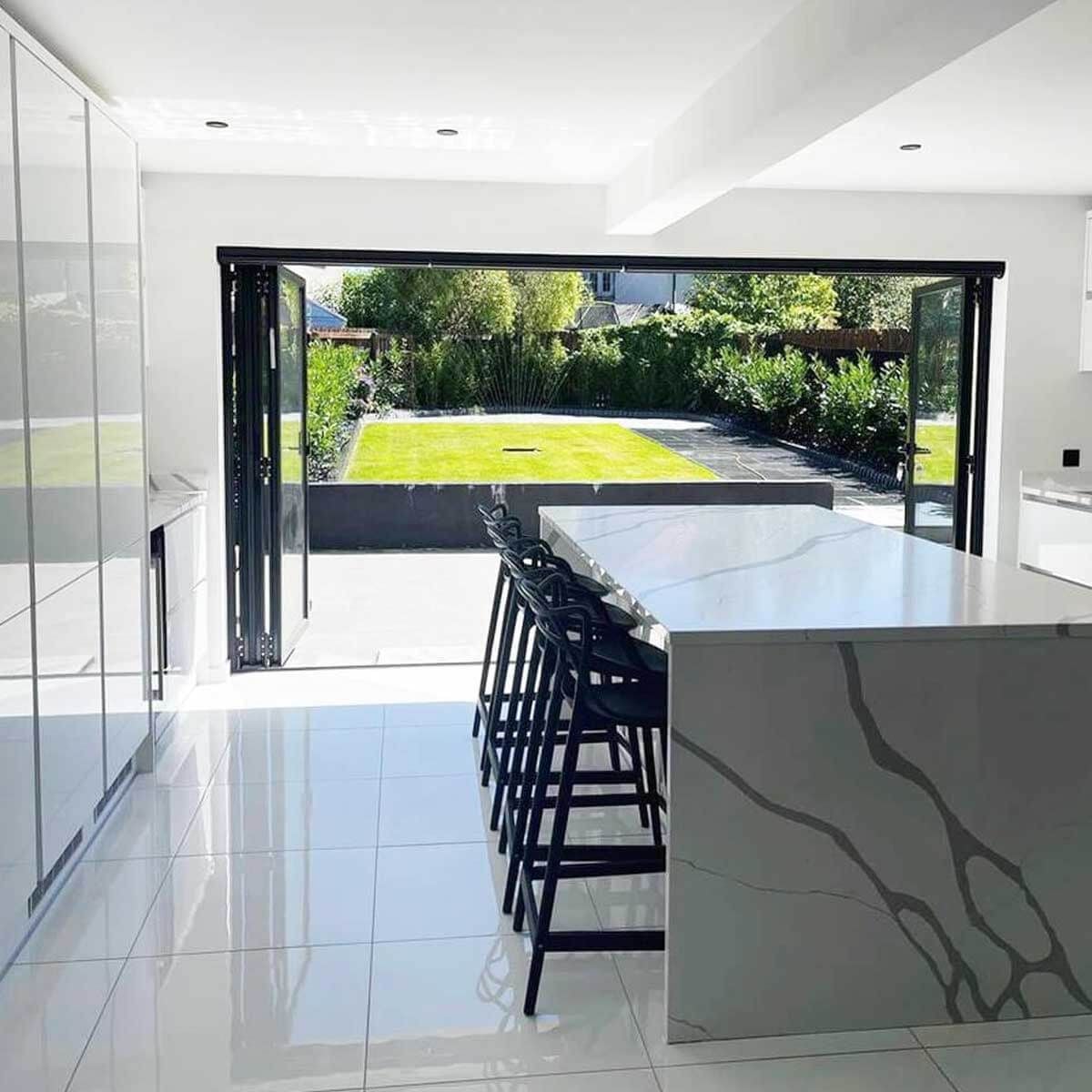
Choosing the right kitchen island is about more than layout—it is about durability, maintenance, and visual impact. 101 kitchen island ideas for every space should include tile surfaces that withstand heat, stains, and daily wear. Contigo Ceramics, a Foshan-based factory, produces porcelain tiles and slabs that meet ANSI A137.1 standards. This guide covers design concepts, tile specifications, and installation tips for both residential and commercial kitchens.
Kitchen island ideas refer to the combination of shape, material, color, and functional features applied to a freestanding countertop unit in a kitchen. This includes selecting a countertop surface (typically tile, stone, or quartz), choosing a base finish (painted, wood, or tiled), and integrating storage, seating, or appliances. Because the island is often the most used surface, material choice directly affects lifespan. At Contigo Ceramics, we manufacture glazed porcelain, rustic matt, marble-pattern, wood-look, and large-format slabs engineered to ISO 10545 standards. Whether the space is a compact apartment or a sprawling open plan, the right tile selection can transform an island into a durable, low-maintenance centerpiece.
Key Takeaways
- Porcelain tiles offer superior water absorption (<0.5%) and scratch resistance compared to natural stone.
- Small kitchens benefit from one-wall island designs with a single row of seating and a compact slab.
- Large-format tiles (1200x2400mm) reduce grout lines, making the island look cleaner and more expensive.
- Mechanical rectification ensures consistent caliber (±0.3mm) for tight joints in island applications.
- DCOF >0.42 is required for slip resistance on kitchen islands, especially near sinks.
- FOB pricing from a Foshan factory can save 30-50% compared to retail, even with custom sizes.
10 Small Kitchens with One Wall and an Island – Layout Strategies
Small kitchens with one wall cannot support a standard island in the center. The solution is a single-wall layout where the island sits parallel to the main counter, leaving a 900–1000mm walkway. This works in galley-style rooms as long as the island is no longer than 1.5 meters. Use a 20mm porcelain slab on the island top to keep the surface thin and visually light. At our Foshan facility, we test every batch for dimensional consistency using calibers of ±0.5mm, which is critical when cutting slabs to fit tight spaces.
A one-wall island should include a raised breakfast bar on one side. The countertop overhang needs at least 300mm for knee clearance. For durability, choose a glazed porcelain tile with a PEI rating of 4 or 5—this resists scratches from bar stools and dropped cutlery. Avoid polished marble-look tiles on small islands because the gloss surface shows fingerprints more quickly on a high-use counter.
75 Stunning Kitchen Island Designs That Will Transform Your Home 2025 – Trending Materials
In 2025, the trend moves away from carrara marble and toward warm-toned, veined porcelain slabs. These are often 1200x2400mm or even 1600x3200mm. 101 kitchen island ideas for every space now include matte finish, book-matched vein patterns, and terrazzo-style polished porcelain. We produce these with digital inkjet printers that replicate natural stone at 600 dpi resolution. The glaze layer is fired at 1220°C, creating a surface that resists etching from lemon juice or vinegar—something real marble cannot do.
Use a contrast edge: a 45-degree mitered cut on a 20mm slab gives the illusion of thickness without adding weight. Alternatively, a bullnose edge with a coordinating trim tile can be factory-cut. For a free online visualizer, many architects reference the Tile Council of North America for installation guidelines. We can supply matching trims from the same production run to ensure shade consistency across the entire island.
Tile Selection for Kitchen Islands – Technical Specifications
Every tile used on a kitchen island must meet ISO 10545 Part 3 for water absorption (<0.5%) and Part 7 for surface hardness (MOHS >6). For island tops, we recommend porcelain with a minimum breaking strength of 1300 N (ASTM C648). This is especially important for islands that accommodate seating, because the point load from a person leaning can crack a weak tile.
Glazed tiles with a DCOF (dynamic coefficient of friction) rating above 0.42 are required by ANSI A137.1 for wet areas. If the island includes a prep sink, choose a tile with a DCOF of 0.55 or higher. Our outdoor-rated 20mm porcelain achieves 0.62 DCOF, making it suitable even for outdoor kitchen islands exposed to rain.
Outdoor Kitchen Islands – Weather-Resistant Solutions
Outdoor kitchen islands face UV exposure, freeze-thaw cycles, and moisture. Standard ceramic tiles fail in these conditions. We produce 20mm porcelain tiles specifically for outdoor use; they absorb less than 0.1% water and pass 100 freeze-thaw cycles per ASTM C1026. The outdoor tile collection includes wood-look and stone-look patterns that can be glued directly onto a concrete base or a metal frame.
For outdoor islands, avoid dark matte tiles in direct sun—they can reach surface temperatures above 60°C. Instead, use light-colored rustic matt tiles. The mechanical rectification ensures the tiles align perfectly even when installed on uneven substrates.
Large Format Slabs for Seamless Islands
Large-format slabs (900x1800mm, 1200x2400mm, 1600x3200mm) reduce the number of grout joints. For kitchen islands, this means fewer crevices where food can collect. Our large format tile collection includes slabs up to 1600x3200mm that are pressed with a 7800-ton hydraulic press, giving them a density of 2.4 g/cm³. They can be cut down to fit any island shape, including curved or waterfall sides.
One common mistake: ordering a slab that is too large for the island footprint. The slab must be at least 50mm larger on all sides to allow for cutting waste. We recommend ordering 5-8% extra for complex cuts. All slabs are shipped with calibration labels showing actual dimensions, so you can verify caliber before installation.
Polished Porcelain vs. Matte – Which Finish for the Island?
Polished porcelain tiles reflect light and make a kitchen feel larger. However, they require regular cleaning to maintain shine. Our polished porcelain tile collection uses a 16-head polishing line to achieve a gloss level of 85-90 GU (gloss units). For a modern 2025 look, we increasingly ship matte finishes with a micro-textured surface that hides scratches and looks consistent under different lighting.
The choice depends on use: if the island is primarily a prep zone, matte is safer. If it is a showpiece in an open-plan living area, polished porcelain with a high PEI rating works well. Both finishes meet ISO 10545 requirements. We offer free samples so you can compare the tactile feel.
Glazed Tile Benefits for Kitchen Islands – Stain and Acid Resistance
Glazed porcelain tiles have a liquid glass layer fused at high temperature. This layer is impermeable to red wine, tomato sauce, and coffee stains. Our glazed tile collection includes both glossy and matte options. The glaze composition includes alumina and zirconium to resist acid etching from citrus or vinegar. Testing per ISO 10545 Part 13 confirms a stain resistance rating of class 5 (no visible stain after 24 hours).
For island backsplashes or raised edges, glazed tiles can be mixed with natural stone accents. Just ensure the stone is sealed separately because it is more porous. We can supply a technical data sheet for any glaze formula used.
Shade and Caliber Consistency – Why It Matters for Islands
A kitchen island is a single continuous surface. If the tile shade varies by even half a grade, it will be visible in natural light. At Contigo Ceramics, we sort every production batch into shade lots, and we ship only one shade lot per order. Caliber variation is kept within ±0.3mm for rectified tiles, which allows 1mm grout joints. This is particularly important for large islands where many tiles are laid side by side.
We log the shade and caliber data for every order and can provide it upon request. This eliminates the common problem of receiving mixed-production tiles that require on-site sorting.
Frequently Asked Questions
What are the best 101 kitchen island ideas for every space in a small kitchen?
Focus on one-wall layouts with a narrow island (600-700mm wide) and a 20mm porcelain slab. Add bar seating on one side only. Use light-colored glazed tiles to reflect light and make the room feel larger.
Which tile finish is recommended for 101 kitchen island ideas for every space?
Matte finish is preferred for high-use islands because it hides scratches and shows less dirt. Polished porcelain is an option for showpiece islands with low daily wear. Both are available in our glazed tile collection.
Can I use outdoor 20mm porcelain for an indoor kitchen island in the 101 kitchen island ideas for every space guide?
Yes. Outdoor 20mm porcelain is extremely durable, slip-resistant, and waterproof. It can be used indoors, though it is thicker than standard 8-10mm tiles. You will need a base that can support the extra weight.
How do I ensure color consistency when ordering tiles for a kitchen island?
Request a single shade lot from a single production run. We provide shade lot numbers on every shipment. We recommend ordering all tiles for the island from the same batch to avoid variation.
What grout width is recommended for large-format tiles on a kitchen island?
Use 1-2 mm grout joints for rectified tiles. For non-rectified tiles, 3-4 mm is standard. Our large-format slabs are rectified to ±0.3mm, allowing minimal grout lines.
Conclusion – Transform Your Kitchen with the Right Tile Choice
The correct tile selection turns a kitchen island from a basic counter into a long-term investment. 101 kitchen island ideas for every space benefit from factory-direct sourcing because you get consistent quality, real technical specs, and FOB pricing 30-50% below retail. Contigo Ceramics exports globally from Foshan, China, with MOQ flexibility for both stock sizes and custom slabs. Request a quote for your next project and compare our ANSI-certified porcelain against any other supplier. Written by the Contigo Ceramics technical team, Foshan China.