Address
No. 3F07, Tao Cube, No.68, CCIH, Jihua West Road,Chancheng District, Foshan City, Guangdong, China.

ceramic tile installation cost | Contigo Ceramics

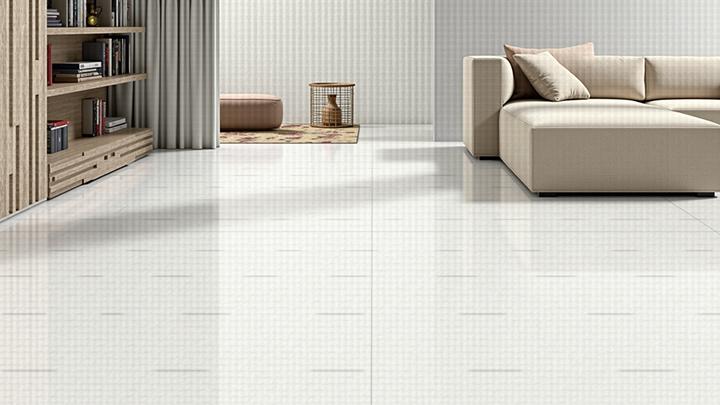
Navigating the complexities of a tiling project often begins with one critical question: what are the real expenses involved in laying tile? Whether you are a contractor bidding on a commercial project or an architect specifying materials for a new build, understanding the variables that drive the total ceramic tile installation cost is essential for accurate budgeting. Unlike the retail price of tiles themselves, installation fees fluctuate based on substrate preparation, geographic location, and the specific technical requirements of the tile you choose. Sourcing tiles at factory-direct prices is one of the most effective ways to maintain budget control from the very start.
Key Takeaways
- Material is just the start: Labor and prep work often account for 50-70% of the total ceramic tile installation cost.
- Tile format matters: Large-format and extra-large slabs require specialized tools and skills, increasing labor rates by 20-40%.
- Factory-direct sourcing cuts waste: Buying directly from a manufacturer like Contigo Ceramics eliminates wholesale markups, giving you more budget flexibility for high-quality installation.
- Substrate conditions dictate price: Uneven subfloors or the need for uncoupling membranes directly inflate the project’s bottom line.
- Geographic variance is significant: Labor rates for tile setting can vary by as much as 200% between different states or countries.
The True Breakdown of Costs
To accurately predict the final cost, it is crucial to separate the price of the tile itself from the price of labor and preparation. Many buyers focus exclusively on the cost per square foot of the tile, overlooking the significant expenses associated with setting it in place. Historically, the material cost represents only 40% to 60% of the total installed price. This means that even a highly discounted tile can result in a high overall project cost if the installation complexity is underestimated.
Material Costs: Direct vs. Retail Sourcing
The fastest way to reduce your overall expenditure is to source materials intelligently. Standard retail markups for ceramic and porcelain tiles can range from 100% to 300%. However, when you source directly from a factory like Contigo Ceramics, you bypass these layers. Our large format porcelain tiles offer premium aesthetics at factory-direct rates, allowing you to allocate more of your budget to specialized labor if required.
According to industry data from the National Association of Home Builders (NAHB), installing finish flooring typically accounts for approximately 5-7% of a total home construction budget, with labor often exceeding the cost of the tile itself in high-end installations.
Factors That Influence Labor Rates
Labor is the most volatile component of any project budget. Understanding the specific factors that drive these rates can help you anticipate the total project investment.
Tile Format and Size
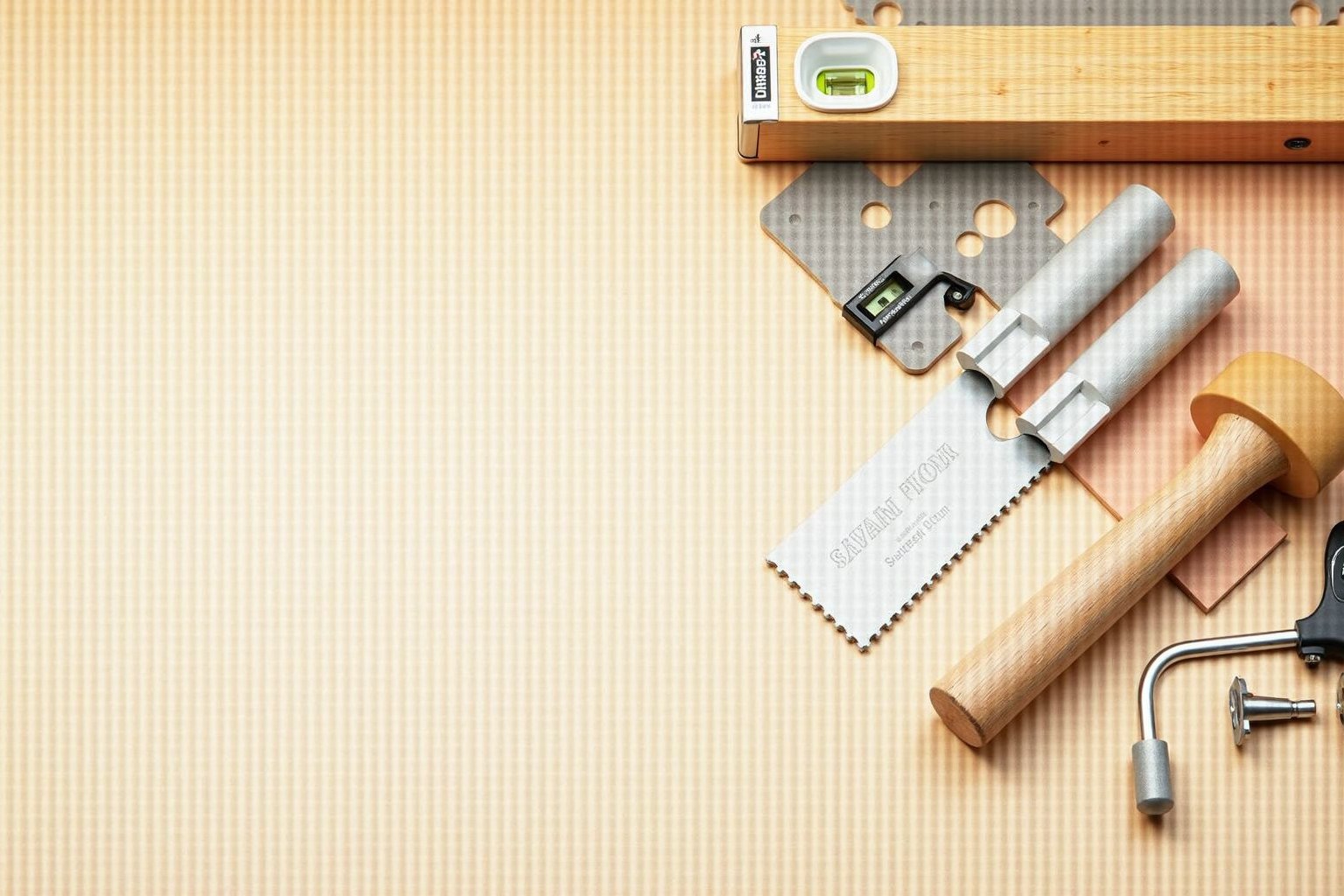
One of the most significant variables affecting the bottom line is the physical size of the tile. Large-format tiles (anything over 15×30 inches) require leveling systems, specialized cutters, and at least two installers. This increases labor costs by 20% to 40% compared to standard 12×12-inch tiles. For contractors working on large-scale commercial projects, factoring in this efficiency loss is critical. Our polished porcelain tile collection, available in oversized formats, is designed for seamless installation when using the right tools.
Substrate Preparation
No tiling project is better than the subfloor it lays upon. Costs for demolition of existing materials, self-leveling compounds, and waterproofing membranes (especially for commercial kitchens or bathrooms) can add $2 to $8 per square foot to the total cost. Architects should specify these requirements early in the design phase to avoid budget overruns.
Geographic Location and Market Demand
Labor rates for skilled tile setters vary wildly. In high-demand urban areas or regions with strong union presence, hourly rates can be double those in rural areas. Importers and buyers planning large-scale developments must collect localized bids to accurately gauge the labor component of the overall expense.
How Product Selection Affects Installation Efficiency
The type of tile you select has a direct mechanical impact on the installation speed and complexity, which in turn influences the final project budget.
- Rectified Tiles: These tiles are cut to exact dimensions, allowing for minimal grout lines (1/16 inch). They look modern but require a perfectly flat substrate, potentially increasing prep costs.
- Mosaics: While small mosaics (1×1 inch) are flexible for curved surfaces, they require more grout and time, significantly increasing the mosaic tile installation labor component.
- Outdoor Tiles: Installing tiles outdoors requires open-graded mortar and specific sealants. Our 20mm outdoor porcelain tiles are designed for pedestal systems or sand-set beds, which simplifies installation for terraces and walkways compared to thinner alternatives.
The Tile Council of North America (TCNA) recommends specific trowel sizes and mortar types for different tile formats. Failure to adhere to ANSI standards increases the risk of lippage or bond failure, directly impacting long-term maintenance costs.
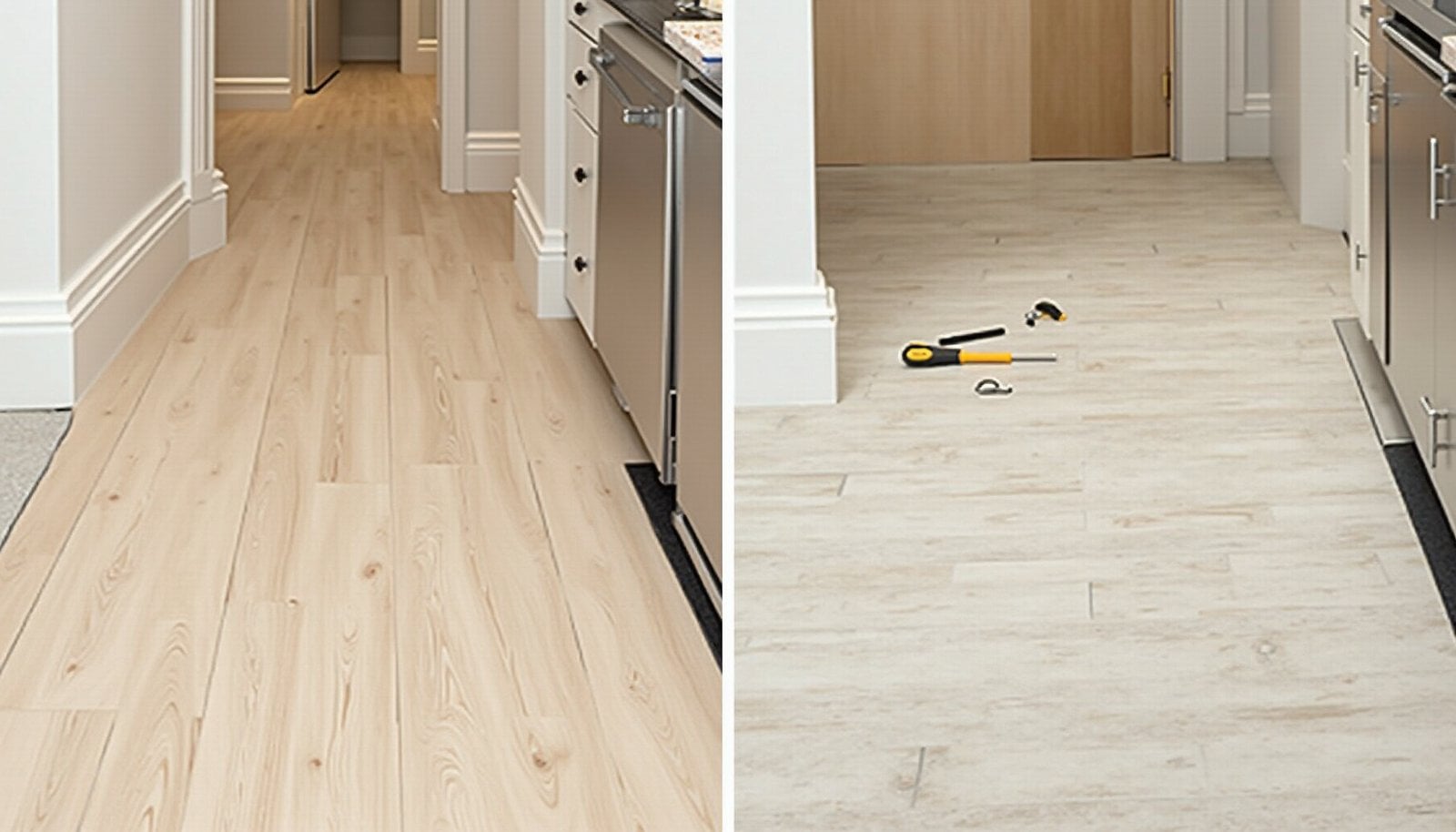
Hidden Costs and Budget Overruns
Savvy buyers know that the initial quote rarely covers the final project expense. Common hidden expenses include:
- Waste Factor: Industry standard is 10% for basic layouts and 15-20% for diagonal or herringbone patterns.
- Molding and Trim: Schienen, t-moldings, and bullnose edges can add hundreds to a project budget.
- Sealing and Maintenance: While glazed ceramic tiles do not require sealing, grout does. High-performance grouts minimize lifespan maintenance costs.
Why Factory-Direct Pricing Mitigates Risk
When you work directly with Contigo Ceramics, the cost transparency starts at the material level. Without the buffer of a distributor, you receive the best possible price from the outset. This margin gives you and your contractors the financial breathing room to handle unforeseen substrate issues without sacrificing quality.
Frequently Asked Questions
How much does it cost to install ceramic tile per square foot?
The national average ceramic tile installation cost ranges from $5 to $15 per square foot for standard sizes. However, large-format or herringbone patterns can drive this up to $20 per square foot or more depending on local labor rates.
Is it cheaper to buy tile directly from a factory?
Yes. Factory-direct suppliers like Contigo Ceramics eliminate the distributor markup, reducing material costs by up to 50% compared to retail showrooms. This significantly lowers the material component of your total project budget.
Does the type of tile affect the installation price?
Absolutely. Large-format porcelain tiles require specialized tools and leveling systems, increasing labor rates. Thicker outdoor tiles (20mm) often require different cutting equipment, affecting the final installation budget.
How much waste should I budget for?
You should budget for 10% waste for straight-set patterns and up to 20% for diagonal or intricate patterns. Ordering extra tiles from the same factory batch ensures color consistency for future repairs if needed.
Can I reduce the cost by doing my own demolition?
While DIY demolition can reduce labor charges, improper removal can damage the substrate. If you need to replace the subfloor, the total cost may increase. Always consult a professional estimator to understand the complete financial picture.
External Reference: ANSI A108 tile installation standards
Conclusion: Optimize Your Budget with Contigo Ceramics
Understanding the nuances of project pricing is the first step toward a successful installation. By separating material costs from labor and preparation, you gain the leverage needed to make informed purchasing decisions. The most effective strategy for reducing your total expenditure is to start with a competitive, factory-direct material price.
At Contigo Ceramics, we provide importers, contractors, and architects with premium quality porcelain and ceramic tiles at genuine factory-direct prices. Whether you need large-format slabs for a hotel lobby or durable outdoor tiles for a public plaza, our team is ready to support your project with consistent quality and global shipping.
Ready to lower your project costs? Contact Contigo Ceramics today for a bulk quote or to request samples of our most popular collections.