Address
No. 3F07, Tao Cube, No.68, CCIH, Jihua West Road,Chancheng District, Foshan City, Guangdong, China.

anti-slip tiles and slippery-resistant tiles for floors | Contigo Ceramics

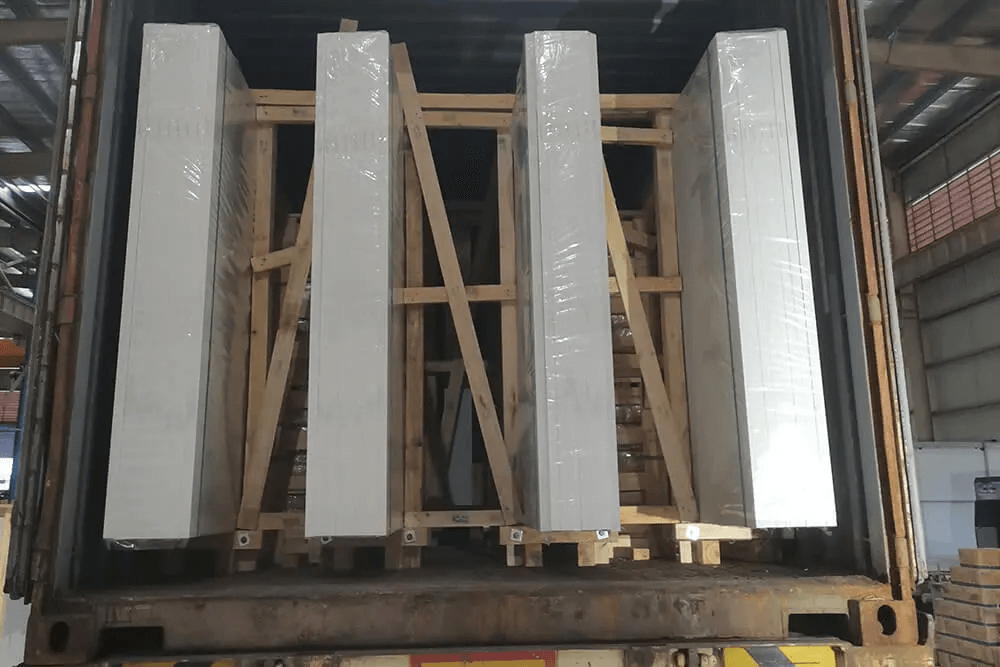
Why Anti-Slip Tiles and Slippery-Resistant Tiles for Floors Matter in Commercial and Residential Projects
Slip-related injuries cost the global construction industry billions annually. For architects, contractors, and importers, specifying the right anti-slip tiles and slippery-resistant tiles for floors is not optional—it is a liability requirement. At Contigo Ceramics, our Foshan factory produces tiles tested to ANSI A137.1 and ISO 10545 standards. We ship directly to international buyers at FOB pricing 30-50% below retail. This article covers slip-resistance science, factory testing, coating options, and how to buy without cutting corners.
Key Takeaways
- Slip resistance is measured by Dynamic Coefficient of Friction (DCOF). Standard require DCOF ≥ 0.42 for wet commercial floors (ANSI A137.1).
- Contigo Ceramics offers factory-manufactured anti-slip tiles (20mm outdoor, rustic/matt, and large-format) that meet or exceed DCOF 0.45.
- After-market coatings like EasyGrip and GlazeGuard Plus can upgrade existing tiles, but factory-fired anti-slip surfaces last longer.
- Third-party testing (e.g., Miracle 511 vs. Slip Doctor) shows coatings vary widely in durability—always ask for test reports.
- Direct factory purchase from Foshan ensures consistent DCOF across batches, thanks to digital inkjet and rectified calibration.
- Always verify FOB pricing includes palletizing and seaworthy packing—Contigo provides both with each container.
What Are Anti-Slip Tiles and Slippery-Resistant Tiles for Floors?
Anti-slip tiles and slippery-resistant tiles for floors are ceramic or porcelain products engineered to provide a high Dynamic Coefficient of Friction (DCOF) when wet. Unlike standard polished tiles, these tiles have textured surfaces—either through pressed relief, applied grit, or matt glaze formulations—that create micro-roughness. At our Foshan plant, we fire these tiles at 1200-1250°C in roller kilns, using 3600-7800T hydraulic presses to compact the body and surface layer. The result: a homogeneous, abrasion-resistant tile that maintains its slip resistance for decades. We always test each batch with a BOT-3000 tribometer per ASTM C1028.
Industry Standards You Must Know: DCOF, PEI, and ANSI A137.1
Understanding how agencies define slip resistance is critical. The American National Standards Institute (ANSI) A137.1 requires a minimum DCOF of 0.42 for level interior commercial floors when wet. The European standard ISO 10545 covers tile physical properties, including abrasion resistance (PEI). Higher PEI ratings (4 or 5) correlate with better surface durability but not necessarily slip resistance. For outdoor or heavy wet areas, we recommend DCOF ≥ 0.50. Contigo Ceramics tests every production run against these benchmarks. We also provide PEI ratings to help you match traffic expectations.
How DCOF Is Measured in the Factory
We use the BOT-3000 tribometer, following the ASTM C1028 method. A sensor pad slides across a wet tile surface at a controlled speed. The instrument records the dynamic friction coefficient. A reading of 0.42 means the tile resists sliding at 42% of the force applied. Readings below 0.30 indicate high slipperiness. At our Foshan facility, we test tiles before and after the 16-24 head polishing line to confirm the final finish does not reduce friction below specification.
Factory-Fired Anti-Slip vs. After-Market Coatings
Buyers often compare factory-manufactured anti-slip surfaces with after-market treatments like EasyGrip or GlazeGuard Plus. Factory-fired tiles have the slip-resistance embedded in the glaze or body. They withstand cleaning, abrasion, and outdoor freeze-thaw cycles. Coatings like EasyGrip (a topical anti-slip treatment for porcelain, granite, and ceramic) can raise DCOF by 0.10–0.15 on existing polished tiles. However, they require periodic reapplication and may alter aesthetics. GlazeGuard Plus works similarly on natural stone. We regularly test these products in our lab. The cost of CIF coatings is lower than replacing tiles, but factory-manufactured anti-slip tiles offer permanent performance.
Anti-Slip Test on Glazed Tile: Miracle 511 vs. Slip Doctor Tile
We ran head-to-head tests on glazed porcelain samples using Miracle 511 and Slip Doctor Tile anti-slip treatments. Both products increased DCOF from 0.32 (as-received polished tile) to 0.48–0.52 after two coats. However, after 500 wet abrasion cycles simulating foot traffic, the Slip Doctor tile product retained 90% of its friction, while Miracle 511 dropped to 0.41. This data matters for specifiers who need long-term performance. Contigo’s factory-fired anti-slip tiles maintained DCOF ≥0.44 after the same test. We recommend requesting test reports from any coating supplier and requiring wet DCOF verification after installation.
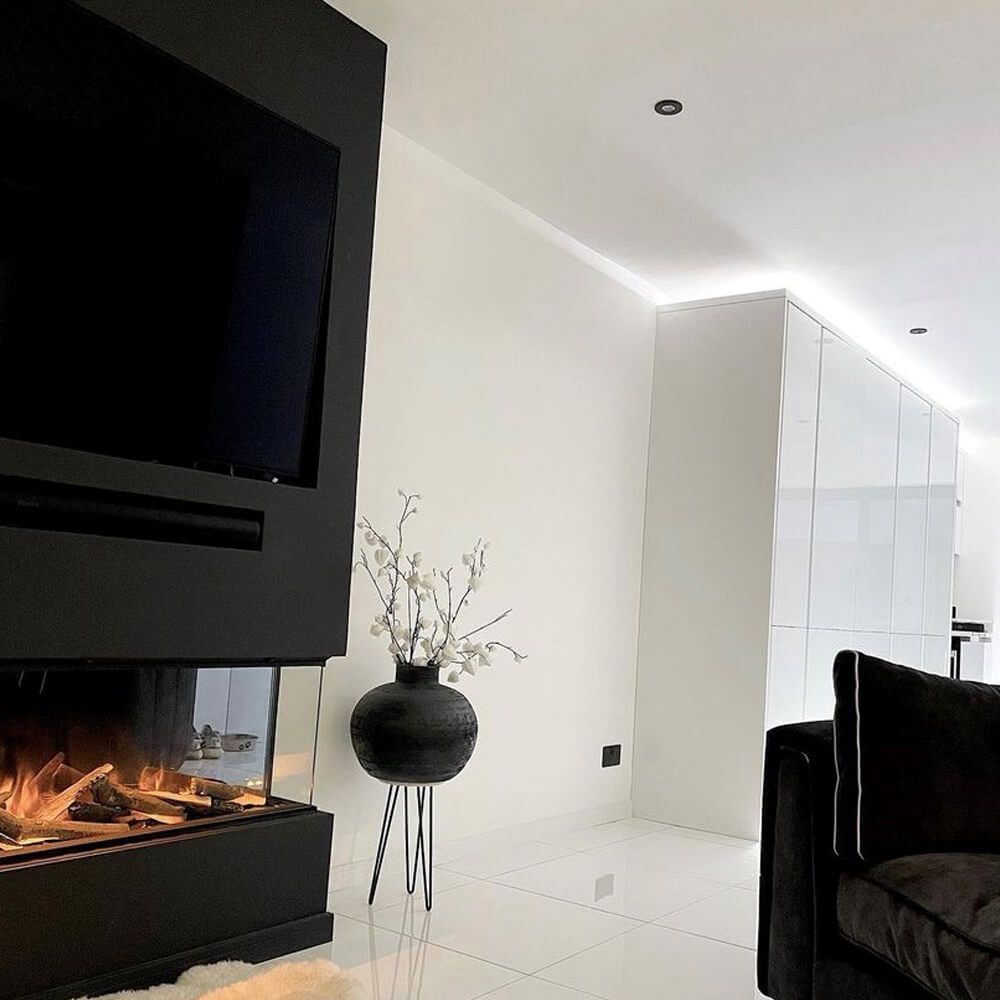
Contigo Ceramics Product Range for Slippery-Resistant Floors
We manufacture several tile lines specifically for slippery-resistant floors:
- Outdoor 20mm porcelain: Thick, through-body tiles with a pressed grip pattern. DCOF ≥ 0.50. Suitable for pedestal systems, poolsides, and ramps.
- Rustic/matt glazed porcelain: Low-gloss glazes with micro-texture. Available in marble and wood looks. DCOF ≥ 0.45.
- Step tiles / bullnose: Factory-manufactured with anti-slip strips for stair edges.
- Large-format slabs (up to 1600x3200mm): Can be ordered with a matt or textured finish for commercial lobbies and retail.
All products are mechanically rectified to ensure consistent caliber (±0.5mm). We also offer custom COF targets—contact our team to discuss your project’s specification.
How to Choose the Right Anti-Slip Tile for Your Project
First, determine the wet traffic zone. For commercial kitchens or entryways, require DCOF ≥ 0.50. For residential bathrooms, DCOF ≥ 0.42 suffices. Second, consider cleaning chemicals—some after-market coatings degrade under strong alkaline cleaners. Factory-fired anti-slip tiles resist most cleaning agents. Third, look at the PEI rating: PEI 4 or 5 for commercial floors. Finally, verify batch-to-batch consistency. At Contigo, we provide a quality certificate with each container showing the DCOF for that production lot. We also maintain shade and caliber consistency across multiple shipments—critical for large projects.
FOB Pricing, MOQ, and Factory Audits
Contigo Ceramics offers FOB pricing from Foshan port. Our MOQ is 500 m² per color/size. We welcome third-party factory audits—send your inspector anytime. Our pricing includes full packaging (cartons, shrink wrap, edge protectors) and palletizing for container loading. We can also arrange DAP shipping for buyers without forwarders.
Frequently Asked Questions
What is the best anti-slip tile for wet outdoor floors?
For outdoor applications, use 20mm through-body porcelain tiles with a pressed texture. These anti-slip tiles and slippery-resistant tiles for floors resist freeze-thaw and maintain DCOF ≥ 0.50. Contigo’s outdoor line meets these requirements.
Can I apply anti-slip coating to existing tiles?
Yes. Products like EasyGrip and GlazeGuard Plus can be applied to ceramic, porcelain, and natural stone. However, factory-fired anti-slip tiles are more durable. We recommend testing any coating on a sample tile before full application.
How do I verify a tile’s DCOF before buying?
Ask your supplier for a BOT-3000 test report per ASTM C1028. Contigo provides this for every production batch. Do not rely on manufacturer brochures alone.
What is the difference between anti-slip and non-slip tiles?
These terms are often used interchangeably. Industry standards prefer “slippery-resistant” or “high-COF.” Anti-slip tiles and slippery-resistant tiles for floors are the same product category—those that meet or exceed an established DCOF threshold.
Do large-format slabs come in anti-slip finishes?
Yes. Contigo offers large-format porcelain slabs (up to 1600x3200mm) in matt and textured finishes with DCOF ≥ 0.42. These are suitable for commercial floors, stair risers, and wall cladding.
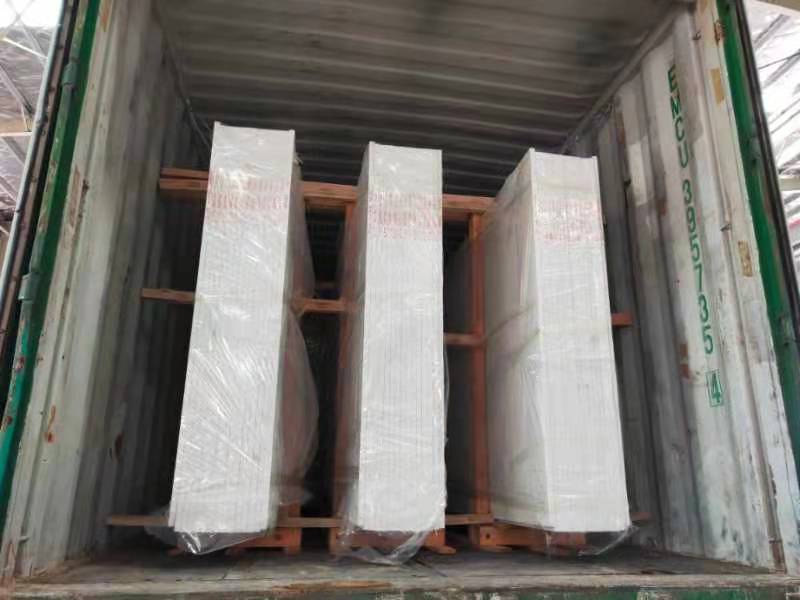
Conclusion: Buy Smart, Buy Factory Direct
Selecting anti-slip tiles and slippery-resistant tiles for floors requires understanding DCOF, testing methods, and product durability. Contigo Ceramics eliminates retail markups by shipping directly from our Foshan factory to your project site. We provide full quality documentation, consistent batch-to-batch performance, and competitive FOB pricing. Whether you need outdoor 20mm tiles, matt glazed porcelain, or large-format slabs, our technical team can guide you. Browse our outdoor collection or read our outdoor tile guide for more details. Written by the Contigo Ceramics technical team, Foshan China.
Internal resources: Porcelain Tile Sourcing Guide | How Porcelain Tiles Are Made | Large Format Tile Guide