Address
No. 3F07, Tao Cube, No.68, CCIH, Jihua West Road,Chancheng District, Foshan City, Guangdong, China.

kitchen islands – the home depot | Contigo Ceramics

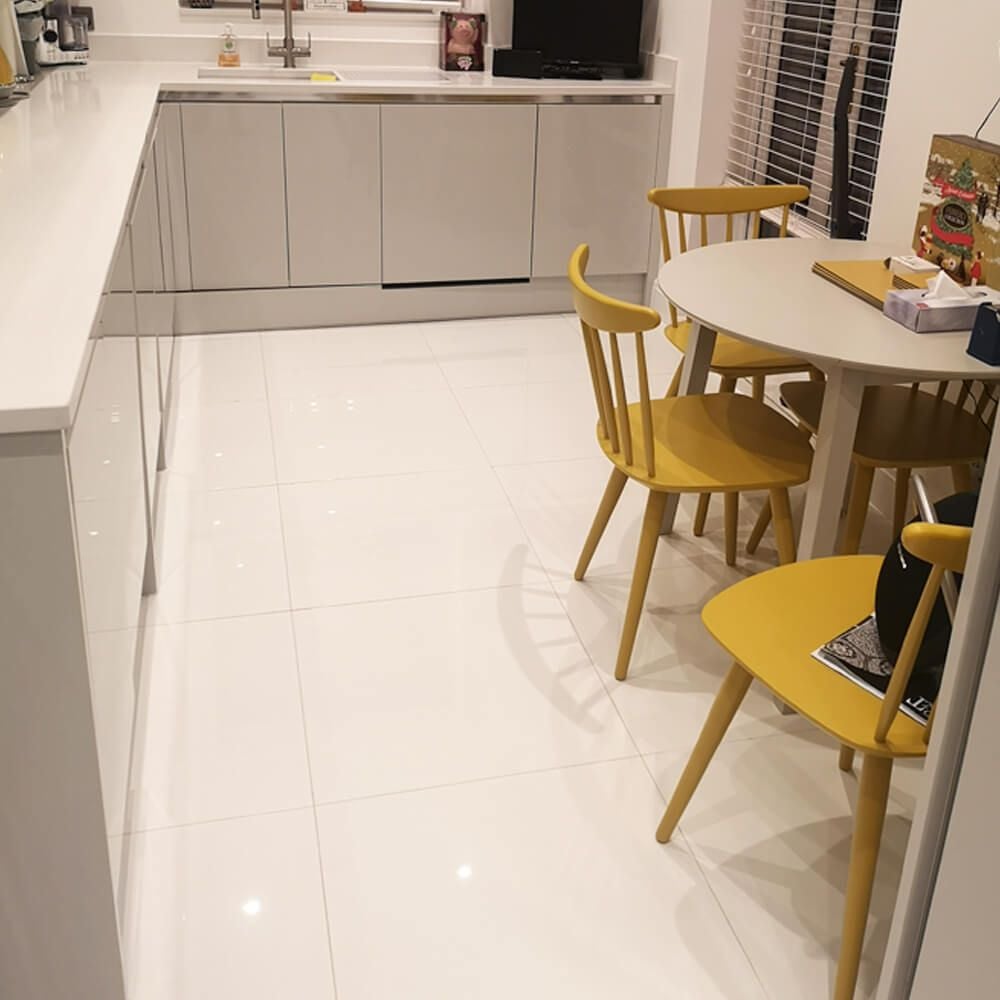
When you search for kitchen islands – the home depot is likely one of the first retailers you consider. But the tile surface of your island doesn’t have to come from a big-box store. At Contigo Ceramics, we manufacture glazed porcelain tile in Foshan, China, and ship directly to global buyers at FOB prices 30–50% below retail. This article explains what matters most when choosing tile for a kitchen island – material specs, manufacturing standards, and how factory-direct sourcing can save you money without sacrificing quality.
A kitchen island serves as a primary work surface, a gathering spot, and a design focal point. The tile you select must withstand heat, impacts, stains, and frequent cleaning. Standard ceramic tiles from retail chains often lack the density and fired strength needed for countertop use. Porcelain tile, fired at 1200–1250°C under high pressure, offers a water absorption rate below 0.5% and meets ANSI A137.1 requirements for commercial-grade performance. That’s the difference between a counter that chips in two years and one that lasts decades.
Key Takeaways
- Kitchen islands – the home depot offers convenience, but factory-direct porcelain tile can cut material costs by 40% while meeting ANSI standards.
- Choose full-body porcelain or glazed porcelain with a PEI rating of 4 or higher for countertop durability.
- Mechanical rectification (±0.2 mm) ensures tight grout joints – essential for a seamless island surface.
- Digital inkjet printing replicates natural stone and wood grain at a fraction of the price; verify DCOF rating for slip resistance.
- Contigo Ceramics provides free sample approval and MOQ flexibility for international buyers.
What Are Kitchen Islands – The Home Depot Context?
Kitchen islands – the home depot refers to the common practice of sourcing pre-cut countertop materials from big-box retailers. Most Home Depot tile offerings are thin (8–10 mm) residential-grade ceramic or porcelain. For a kitchen island that sees heavy use, you need 12–20 mm thick porcelain with a through-body color or a high-quality glazed surface. At Contigo Ceramics, we produce large-format slabs up to 1600×3200 mm with 20 mm thickness suitable for countertops. Our tiles are manufactured to ISO 10545 standards and tested for breaking strength (min. 1300 N) – numbers that matter when you’re chopping vegetables or setting hot pans.
Why Tile for Kitchen Islands? Material Performance
Tile outperforms laminate, solid surface, and even granite in several key metrics. Porcelain is non-porous (water absorption <0.5%), resists staining from wine, oil, and acids, and doesn't require sealing. Our factory uses a 3600–7800T hydraulic press to achieve green-body density above 2.3 g/cm³. After firing at 1250°C, the material becomes virtually scratch-resistant – a PEI 5 rating means even metal utensils won't leave marks. For kitchen islands - the home depot buyers often overlook these specs. They see a pretty look at $4/sq. ft but get a product that may fail within a year.
At our Foshan facility, we test every batch for dimensional tolerance (±0.3 mm) and shade consistency. This is critical for kitchen island surfaces where multiple tiles meet. We offer mechanical rectification that grinds each tile to exact dimensions, allowing 2 mm grout lines instead of the typical 5 mm. That gives you a clean, monolithic look that mimics natural stone. Standard retail tiles are not always rectified – you’ll notice uneven joints and lippage after installation.
Glazed vs. Full-Body Porcelain for Countertops
Glazed porcelain tiles have a decorative layer applied via digital inkjet printing. This layer is hard (Mohs 7+ if fired properly) but can chip if the substrate is weak. Full-body porcelain (also called color-body or through-body) has the same mineral pigment throughout the thickness. For kitchen islands, we recommend full-body porcelain for areas near sinks or stoves where edge chipping is possible. Our rustic/matt collection uses a full-body formulation with a matte glaze topcoat – the best of both worlds. You can view options on our glazed tile product page and polished porcelain tile page.
The Home Depot vs. Factory-Direct: Cost & Quality Comparison
| Factor | The Home Depot (Retail) | Contigo Ceramics (Factory Direct) |
|---|---|---|
| Price per sq. ft (12×24 porcelain) | $3.50 – $6.00 | $1.80 – $3.20 (FOB Foshan) |
| Thickness | 8–10 mm | 10–20 mm |
| Rectification | Usually not rectified | Rectified (±0.2 mm) |
| Shade/Caliber control | Mixed lots | Single lot per order |
| Certification | ANSI A137.1 (varies) | ANSI A137.1, ISO 10545, CE |
| Lead time | In-store pickup (days) | Container shipping (4–6 weeks) |
| MOQ | 1 box (min 10 sq. ft) | 1000 sq. ft (negotiable for samples) |
For large projects or commercial kitchens, the savings from factory-direct sourcing are substantial. A 150 sq. ft kitchen island will cost $525–900 at Home Depot for tile alone. From Contigo Ceramics, the same porcelain costs $270–480. Even with shipping (approx. $0.20/sq. ft to US West Coast), you save 30% or more. And you get guaranteed shade consistency because we ship the entire order from the same production run.
Manufacturing Standards That Matter for Kitchen Island Tile
We fire all our tiles in modern roller kilns at 1200–1250°C. This vitrifies the body, reducing water absorption below 0.5% per ISO 10545-3. For a kitchen island, this means no moisture penetration from spills – critical around sink cutouts. Our 16–24 head polishing line achieves a consistent gloss level of 70+ GU on polished surfaces. For matte finishes, we control the glaze chemistry to stay within 10–15 GU for a soft-touch feel.
DCOF Slip Resistance for Kitchen Islands
Even though kitchen islands aren’t wet floors, spills happen. We test all honed and textured tiles for DCOF (Dynamic Coefficient of Friction) per ANSI A137.1. Our matte and full-body tiles achieve DCOF ≥0.42, suitable for commercial kitchens. This is a specification most retail tiles do not publish. Always ask for DCOF data before purchasing – or simply order from us, and we provide test reports with every shipment.
Installation Considerations for Kitchen Island Tile
Using large-format tiles (24×48 or 32×64 inches) on your island reduces grout lines and creates a cleaner look. Our large-format slab collection includes rectified edges that allow 2 mm grout joints. Always use a modified thin-set mortar suitable for porcelain (ANSI A118.4). For overhangs, support with a solid substrate like cement board or quartz-backed tile. Our factory advises a minimum 20 mm thickness for unsupported edges beyond 6 inches.
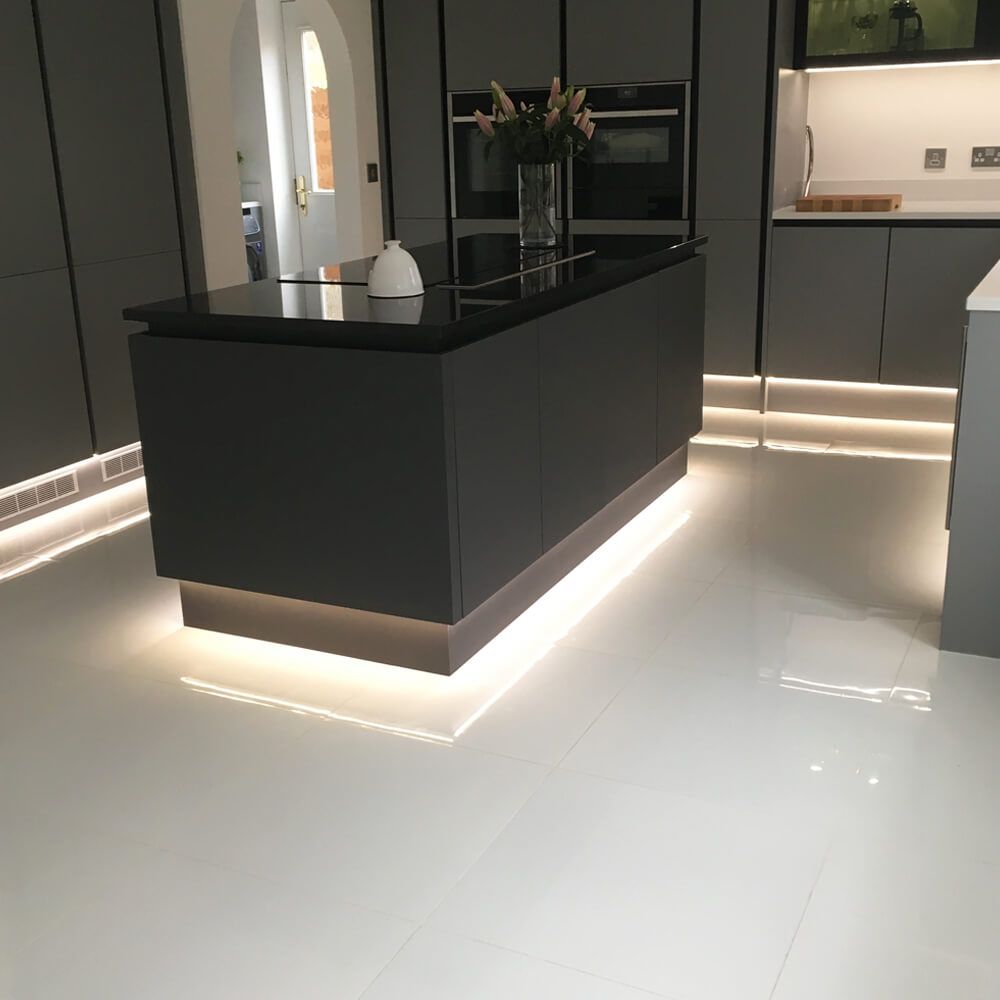
If your kitchen island includes a breakfast bar, consider using an outdoor-rated 20 mm porcelain slab – these have the same durability specs as indoor tiles but are frost-proof and UV-stable. They also resist thermal shock from hot pans. We’ve shipped these to restaurants and commercial kitchens globally.
Frequently Asked Questions
Can I buy kitchen islands – the home depot tile and have it last?
Yes, if you select a rectified porcelain tile with a PEI rating of 4+ and thickness of at least 10 mm. However, Home Depot’s selection often lacks thickness options above 10 mm for kitchen countertop use. For best results, order factory-direct from Contigo Ceramics where 12–20 mm porcelain is standard.
How much does a tile kitchen island countertop cost from a factory?
FOB price from Contigo Ceramics ranges from $1.80 to $3.20 per square foot for glazed porcelain. Add $0.15–0.25/sq. ft for ocean freight to most global ports. Total delivered cost is still 30–50% below comparable retail pricing at kitchen islands – the home depot.
What tile finish is best for a kitchen island?
Matte or full-body porcelain with a PEI 5 rating. Glossy polished tile can show scratches and glare. Honed or satin finishes offer a balance of stain resistance and subtle shine. Our rustic/matt line uses a double-loaded glaze that resists abrasion.
How long does it take to receive a container order from China?
Production typically takes 15–20 days after sample approval. Sea freight from Foshan to Los Angeles is about 18 days. With customs clearance, total door-to-door time is 5–7 weeks. We also offer consolidated container sharing for smaller buyers.
Do you provide samples before ordering?
Yes. We ship free samples (up to 5 pieces) via express courier. You pay only shipping costs. Sample approval is required before production. This ensures the shade and texture meet your expectations. Many kitchen islands – the home depot customers have switched to our samples and saved thousands.
Conclusion: Make the Smart Choice for Your Kitchen Island
Kitchen islands – the home depot will always be a convenient browsing option. But for a tile surface that lasts, meets ANSI standards, and fits your budget, buying direct from a Foshan factory is the proven route. At Contigo Ceramics, we’ve supplied porcelain tile to contractors, architects, and importers in over 40 countries. Our MOQ is flexible, we accept factory audits, and we offer FOB pricing that makes sense for projects of any scale.
Written by the Contigo Ceramics technical team, Foshan China. Browse our glazed tile collection or contact us for a volume quote on your next kitchen island project.