Address
No. 3F07, Tao Cube, No.68, CCIH, Jihua West Road,Chancheng District, Foshan City, Guangdong, China.

mobile kitchen island | Contigo Ceramics

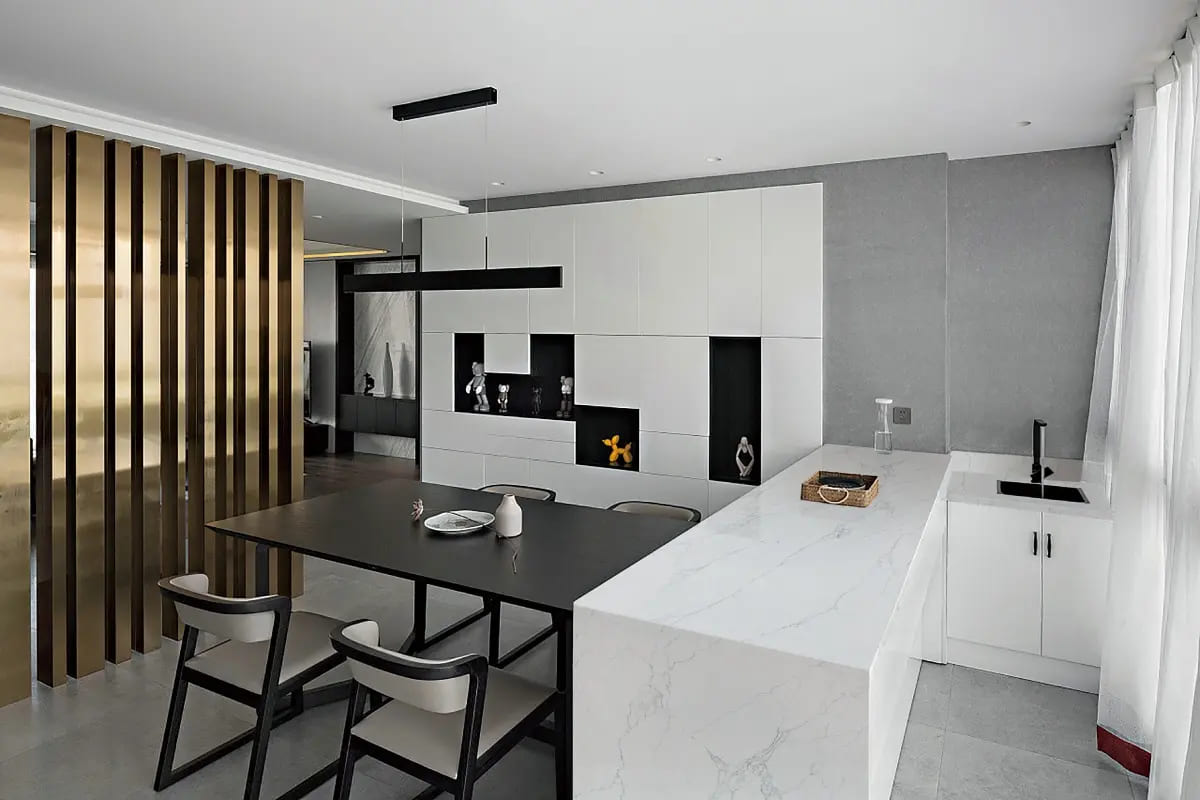
Introduction: Why a Mobile Kitchen Island is the Smartest Upgrade for Your Kitchen
A mobile kitchen island offers the perfect blend of flexibility and functionality, transforming how you prep, cook, and entertain. Unlike fixed islands, these rolling workstations can be repositioned to suit your workflow, rolled out for extra seating, or stored away when not needed. At Contigo Ceramics, we see firsthand how homeowners and contractors are opting for custom tile-topped mobile islands that combine durability with style. Whether you need a compact prep station or a large entertaining hub, choosing the right materials and design is critical.
Key Takeaways
- A mobile kitchen island must balance mobility, storage, and countertop durability — porcelain tile is an excellent choice for heat and scratch resistance.
- Hidden wheel mechanisms and foldable origami-style carts solve space constraints while maintaining a clean aesthetic.
- Factory-direct sourcing (e.g., from Contigo Ceramics) reduces cost by 30–50% compared to retail tile, making custom tile tops affordable.
- Verify that your island’s base can support the weight of a tile countertop — we recommend at least ¾-inch plywood sub-base.
- Use ASTM C648 or ISO 10545 standards to ensure tile strength and quality before purchase.
What Exactly Is a Mobile Kitchen Island?
A mobile kitchen island is a freestanding, wheeled unit that serves as an additional workspace, storage unit, or dining surface. Unlike a permanent kitchen island, it can be moved easily thanks to caster wheels (often with brakes). The best models incorporate practical features like pull-out shelves, towel racks, and — most importantly — a robust countertop that withstands daily wear and tear.
The Definition Every Buyer Should Know
In simplest terms, a mobile kitchen island is a wheeled cart that provides a secondary food preparation area, usually with storage below. It differs from a kitchen cart by its larger footprint, integrated work surface, and often more substantial construction. The versatility of these units makes them popular in apartments, open-plan homes, and even professional kitchens where reconfiguring space is essential.
Why Tile Countertops Are the Superior Choice for Your Mobile Kitchen Island
Most mobile islands come with wood, stainless steel, or laminate tops, but none match the heat resistance, scratch protection, and longevity of ceramic or porcelain tile. At our Foshan facility, we test every batch of porcelain tile to ISO 10545 standards — ensuring a hard, low-porosity surface that resists stains and thermal shock. A tile-topped mobile kitchen island can double as a baking station, a hot serving surface, or a chopping block without fear of damage.
Porcelain vs. Ceramic Tile for Mobility
Porcelain tile is denser and more durable than standard ceramic, making it ideal for a mobile kitchen island that experiences constant movement. It’s also impervious to moisture — important if the island is used near a sink. For outdoor versions (e.g., a rolling BBQ cart), consider 20mm outdoor porcelain tiles available from Contigo Ceramics. These are designed to handle thermal expansion and frost cycles, meeting ASTM C648 breaking strength standards.
Hidden Wheels & Foldable Designs: Innovations That Solve Space Problems
Competitors often miss two key innovations that are revolutionizing the mobile kitchen island market: hidden wheel mechanisms and origami foldable designs. A hidden wheel system uses retractable casters recessed into the base — the island sits flush on the floor when stationary, then rolls effortlessly when you lift a lever. This gives the clean look of a fixed island with the practicality of mobility.
Building a Mobile Kitchen Island on Hidden Wheels – The YouTube Trend
DIY enthusiasts have popularized “building a kitchen island on hidden wheels” via YouTube tutorials. The concept involves constructing a wooden frame, mounting caster wheels inside a recessed channel, and fitting a tile countertop. Many choose to match their existing kitchen backsplash tile, creating a cohesive look. For a factory-fresh finish, we recommend using large-format porcelain slabs from our large format tile collection — these minimise grout lines and are easy to clean.
Origami Foldable Kitchen Cart: The Next Generation
The origami foldable kitchen cart is a rolling kitchen cart with a collapsible structure that can be flattened for storage. Some designs fold down to just 4 inches thick. When combined with a removable tile top (glued onto a lightweight metal frame), you get a truly portable workspace. This is ideal for tiny homes, RVs, or pop-up catering stations. To keep weight low, use glazed thin porcelain tiles — strong yet thin enough for a foldable unit.
How to Choose the Right Mobile Kitchen Island for Your Needs
Before purchasing or building, evaluate three factors: mobility mechanism, countertop material, and storage configuration. A mobile kitchen island should have locking casters (at least two) and a stable frame. For tile countertops, the base must support 20–40 lbs per square foot. We often advise contractors to use a 3/4-inch plywood sub-base sealed with waterproofing, then apply thin-set mortar and porcelain tile.
FOB Pricing and Factory-Direct Advantage
By sourcing tiles directly from a factory like Contigo Ceramics, you can achieve FOB prices that are 30–50% lower than retail. We offer flexible MOQ (minimum order quantity) — as low as 500 square feet — making it feasible for custom island projects. International buyers are welcome to arrange a factory audit; our Foshan facility is open to inspection. Explore our polished porcelain tile collection for a sleek, high-gloss mobile island countertop.
Installation Tips for Tile-Covered Mobile Islands
When installing a tile top on a rolling base, follow these guidelines:
- Use flexible thinset to accommodate slight movements during rolling. Standard mortar can crack under vibration.
- Seal all edges with silicone caulk to prevent moisture from seeping into the sub-base.
- Select a rectified tile for a minimal grout joint (1/16 inch) — reduces cleaning time and prevents chipping.
- Consider a bullnose edge or metal trim to protect the tile perimeter from impacts.
According to the Tile Council of North America (TCNA), porcelain tile with an absorption rate below 0.5% (ISO 10545‑3) is the best choice for high‑use countertops. TCNA – Tile Council of North America
Frequently Asked Questions
Can I put a mobile kitchen island on carpet?
Yes, but you need heavy-duty casters (2.5-inch diameter or larger) designed for carpet. A tile countertop adds weight, improving stability. Check that your island has locking casters to prevent accidental rolling.
What is the best tile size for a mobile kitchen island?
Large-format tiles (24×24 or larger) minimise grout lines and are easier to keep clean. For a small island, consider 12×24 subway tiles laid in a brick pattern. Our large format collection offers many options.
How heavy is a tile-topped mobile kitchen island?
A standard 4-foot island with 20mm porcelain tile weighs about 150–250 lbs. That’s well within the capacity of quality casters. The weight actually improves stability during use.
Are foldable mobile kitchen islands with tile tops available?
Yes, some manufacturers now produce origami-style folding carts that accept a lightweight tile top. You can also build your own using a collapsible frame and thin porcelain tiles (5–6mm).
How do I clean a tile mobile kitchen island?
Use a pH-neutral cleaner and a soft cloth. Avoid abrasive pads that might dull the glaze. Porcelain tiles are stain-resistant, but wipe spills promptly to prevent grout discoloration.
Conclusion: Elevate Your Kitchen with a Mobile Island Built to Last
Whether you opt for a ready-made unit or a DIY project with hidden wheels, the mobile kitchen island remains one of the most versatile additions to any home. By choosing porcelain tile from a factory-direct supplier, you ensure a countertop that withstands heat, scratches, and daily abuse — all while adding a touch of elegance. At Contigo Ceramics, we ship globally with consistent quality and competitive FOB pricing. Ready to start your project? Contact our team for a quote or visit our showroom in Foshan. Written by the Contigo Ceramics technical team, Foshan China.