Address
No. 3F07, Tao Cube, No.68, CCIH, Jihua West Road,Chancheng District, Foshan City, Guangdong, China.

matte porcelain tile | Contigo Ceramics

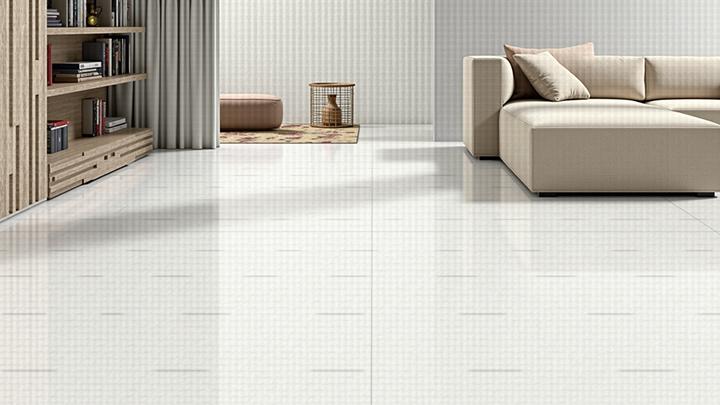
Introduction to Matte Porcelain Tile
When selecting flooring or wall cladding for commercial or residential projects, matte porcelain tile has become a top choice for architects, contractors, and importers worldwide. Unlike high-gloss alternatives, matte finishes offer a subtle, natural look that mimics stone, concrete, or wood while providing superior slip resistance and durability. At Contigo Ceramics, we manufacture these tiles directly in our Foshan facility, delivering consistent quality without retail markups. This guide covers everything you need to know about matte porcelain tile – from production standards to design applications – to help you make an informed sourcing decision.
Matte porcelain tile is a ceramic tile with a fired surface that has a low light reflectance (typically <10 gloss units). It is produced by pressing refined clays and minerals under high pressure, then glazing with a matte finish or polishing to a satin sheen. Unlike polished tiles, the surface is not buffed, preserving its natural texture. This definition is critical for specifiers because matte tiles meet slip-resistance requirements (DIN 51130 R9–R11) better than polished alternatives. At Contigo, we test every batch to ISO 10545 standards, ensuring dimensional stability and abrasion resistance.
Key Takeaways
- Matte porcelain tile offers superior slip resistance and durability compared to glossy varieties.
- Factory-direct sourcing from Contigo Ceramics eliminates middleman costs, reducing your per-square-meter FOB price by 20–30%.
- Routine maintenance is simpler – no etching, no heavy polishing – just damp mopping.
- Choose matte for high-traffic commercial spaces (hotels, restaurants, retail) and modern residential interiors.
- Trending options include large-format matte slabs (60x120cm and 80x80cm) and super black matte finishes for minimalist designs.
- Contigo offers flexible MOQs and factory audit availability for serious buyers.
Matte vs. Glossy Tile: Which Performs Better?
The matte vs. glossy debate often centers on aesthetics, but performance differences are equally important. Matte porcelain tile has a textured surface that hides scratches, dust, and footprints better than glossy tiles. In high-traffic zones, a glossy floor shows every scuff; matte conceals them. Additionally, matte finishes do not reflect glare, making them ideal for open-plan offices or spaces with large windows.
Glossy tiles, on the other hand, can be slippery when wet (especially polished porcelain) and require more frequent cleaning. For bathrooms, kitchens, and outdoor areas, matte is the safer choice. However, some clients desire a glossy look but want the durability of porcelain. Can you make matte floor tile glossy? The answer is yes – by applying a ceramic or porcelain covertec coating or by re-polishing. But this adds cost and may void manufacturer warranties. At our factory, we recommend selecting the finish that fits the application from the start.
For a deeper comparison, see our guide on polished porcelain tile vs matte – both available factory-direct.
How Matte Porcelain Tile Is Made – Factory Insights
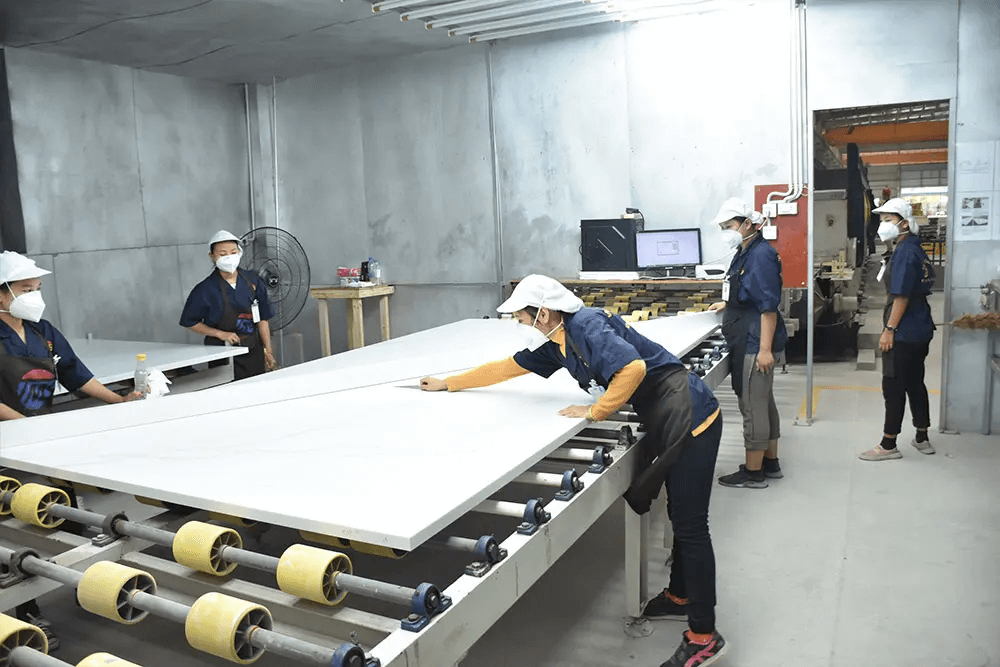
In our Foshan facility, we produce matte porcelain tile using high-pressure presses (over 3000 tons) and digital inkjet technology. The matte effect comes from the glaze composition – we use low-gloss frits that fire to a smooth yet non-reflective surface. After firing at 1200°C, tiles undergo rectification for precise edges, enabling thin grout lines.
At Contigo Ceramics, we test every batch against ISO 10545 standards – including water absorption (<0.5%), breaking strength (>1300 N), and abrasion resistance (PEI 4–5). This ensures our matte tiles withstand heavy foot traffic without fading. Many competitors skip these quality checks; we see it as non-negotiable.
Super Black Matte Porcelain Tiles: A Design Statement
One of our fastest-selling categories is super black matt porcelain tiles. These deep, non-reflective black tiles transform spaces by adding drama and sophistication. Unlike painted black tiles that chip or fade, the color is fired into the body. Super black matt porcelain tiles are popular in luxury retail, hotel lobbies, and modern homes. They pair well with warm woods or metallic accents.
Pro tip: For large areas, use a large format matte tile (90x90cm or 60x120cm) to minimize grout lines and create a seamless monolithic look.
Content Gap: Making Matte Floor Tile Glossy – Options to Know
A question we frequently receive from distributors: “Can I make matte floor tile glossy ceramic or porcelain covertec?” The short answer: Yes, but with caveats. Ceramic covertec (a liquid resin coating) can turn a matte porcelain tile glossy, but it adds a layer that may wear unevenly. For porcelain, re-polishing at a dedicated facility is possible, but only if the tile body is full-bodied (through-body color). Many matte tiles are glazed; polishing through the glaze destroys the design.
At Contigo, we recommend matching finish to application from the start. If a glossy look is desired, explore our polished porcelain tile range, which offers a consistent high shine without post-installation work. For projects that later change preference, a ceramic coating is an interim solution but not permanent.
Installation and Maintenance Best Practices
Matte porcelain tile installation follows ANSI A108 standards for ceramic tile. Use a medium-bed mortar for larger formats to avoid lippage. Because matte tiles have a textured surface, sealing is not required (unpolished porcelain is non-porous). Cleaning is simple: warm water and pH-neutral cleaner. Avoid wax or oil-based products – they leave a film that dulls the matte effect.
For outdoor applications, choose our 20mm thick matte porcelain tiles. They exceed ASTM C648 flexural strength requirements and resist freeze-thaw cycles. See our outdoor tile collection for options.
Frequently Asked Questions
Is matte porcelain tile harder to clean than glossy?
No. Matte porcelain tile hides dust better and shows fewer streaks. Routine sweeping and damp mopping keep it looking fresh. Glossy tiles require more frequent polishing to maintain shine.
Can you use matte porcelain tile in a shower floor?
Yes – its slip resistance (R10–R11) makes it ideal for wet areas. We recommend a smaller format (30x30cm or mosaics) for better drainage. Browse our glazed matte tile options with textured surfaces.
Does matte porcelain tile scratch easily?
Matte finishes are less prone to visible scratching because the texture disguises minor marks. Our tiles achieve PEI 4–5 hardness, suitable for commercial corridors. For comparison, refer to ASTM C648 standards.
Is matte tile more expensive than glossy?
Pricing from Contigo Ceramics is comparable. FOB costs depend on size and decoration. Large-format matte tiles may cost slightly more due to raw material requirements, but factory-direct pricing keeps them competitive.
How do I make matte floor tile glossy after installation?
As discussed, options include ceramic covertec coatings or professional re-polishing. For best results, contact your tile supplier. Contigo offers guidance for post-installation treatments – reach out via our contact page.
External Reference: ISO 10545 ceramic tile standards
Conclusion: Source Your Matte Porcelain Tile from Contigo Ceramics
Whether you need 20mm outdoor pavers, large-format interior slabs, or super black matte statement tiles, Contigo Ceramics delivers consistent quality at factory-direct prices. Our team visits production lines daily, ensuring every matte porcelain tile meets ISO and ASTM standards. We welcome FOB inquiries and factory audits – transparency builds trust.
Ready to order or request samples? Browse our matte porcelain tile catalog and contact our sales team. Written by the Contigo Ceramics technical team, Foshan China.