Address
No. 3F07, Tao Cube, No.68, CCIH, Jihua West Road,Chancheng District, Foshan City, Guangdong, China.

ceramic vs. porcelain tile: what’s the difference? | Contigo Ceramics

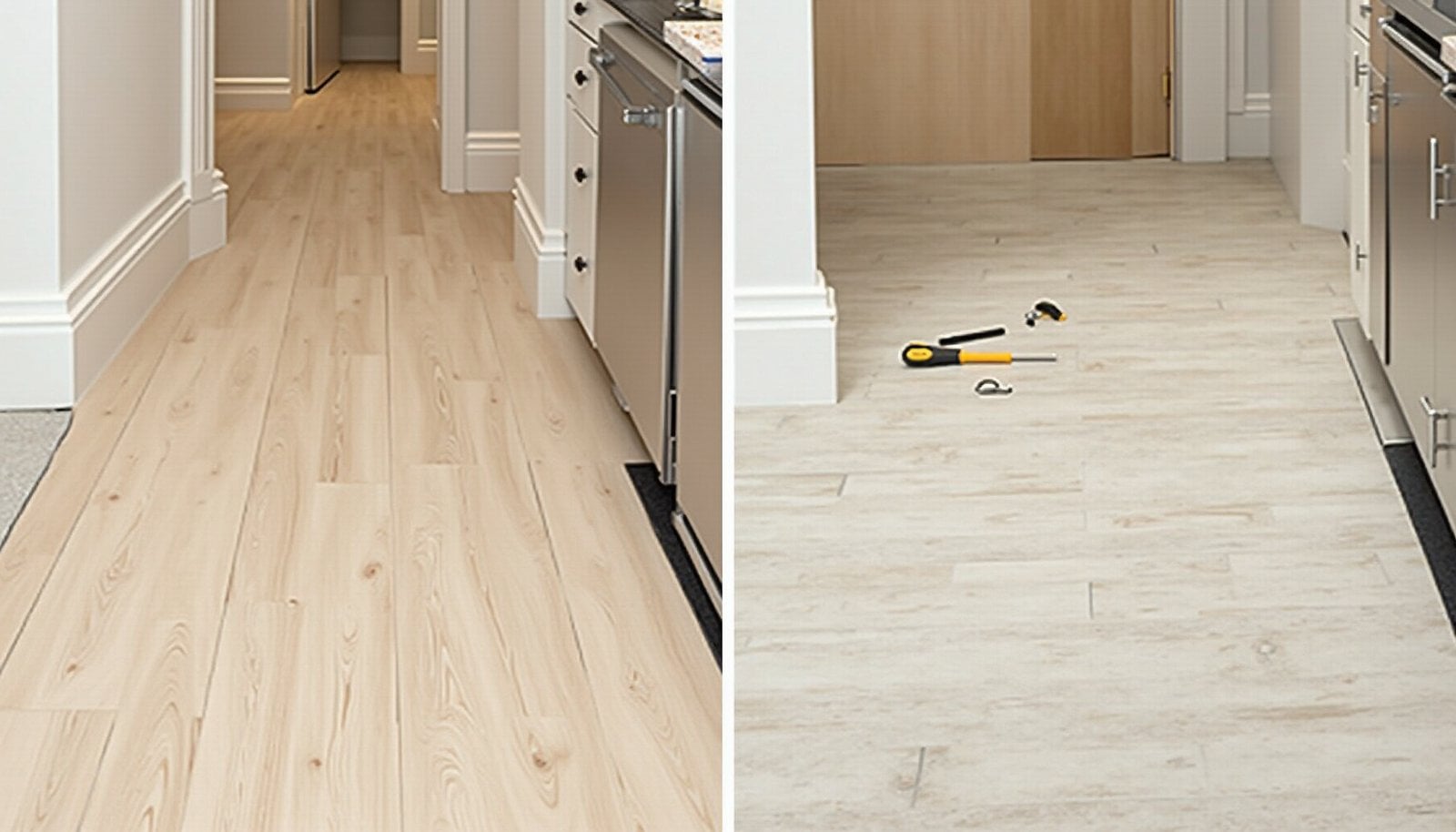
When planning a tiling project, one of the most common questions buyers ask is ceramic vs. porcelain tile: what’s the difference? Both are popular choices, but they have distinct characteristics that affect cost, durability, and application. At Contigo Ceramics, a China-based factory direct supplier, we produce both types and ship globally. In this guide, we break down the real differences so you can make an informed purchase decision.
Key Takeaways
- Porcelain tile is denser, less porous, and more water-resistant than ceramic tile.
- Ceramic tile is typically softer, easier to cut, and more affordable — ideal for walls and low-traffic floors.
- For outdoor or high-moisture areas, porcelain (especially 20mm outdoor tile) is the superior choice.
- Coefficient of Friction (COF) ratings matter more than material alone for slip resistance.
- Factory-direct pricing from China can save 30–50% compared to retail channels.
- Always verify PEI rating and ISO 10545 test results before bulk ordering.
Understanding the Core Difference
In simple terms, ceramic vs. porcelain tile: what’s the difference? Both are made from clay and fired in a kiln, but porcelain uses finer, denser clay and is fired at higher temperatures. This makes porcelain harder, less porous, and more durable. Ceramic tile, on the other hand, is typically glazed and often has a softer body.
According to the ANSI A108 standard, porcelain tile must have a water absorption rate of 0.5% or less. Ceramic tile absorbs more – usually between 3% and 7%. That single metric drives most other performance differences.
Key Properties Compared
Water Absorption & Durability
Porcelain tile’s ultra-low absorption makes it ideal for bathrooms, kitchens, and outdoor areas. Ceramic tile is more porous and can crack in freeze-thaw climates if not properly sealed. For exterior applications, we recommend our 20mm outdoor porcelain tiles that meet ASTM C648 standards.
Strength & Scratch Resistance
Porcelain generally has a higher breaking strength (often above 1300 lbf) compared to ceramic (300–600 lbf). However, both can be durable when properly installed. At our Foshan facility, we test every batch for PEI (Porcelain Enamel Institute) abrasion class. We regularly see PEI 4 or 5 on our full-body porcelain products.
Installation & Cutting
Ceramic tile is easier to cut with a manual snap cutter, making it more DIY-friendly. Porcelain requires a wet saw with a diamond blade due to its density. This also means higher installation labor costs for porcelain. If you’re a contractor, you can order precision-cut large-format porcelain tiles from our factory to minimize on-site cutting.
Cost & Value
Ceramic tiles are typically cheaper (FOB $3–$8/m²) than porcelain ($6–$15/m²). But factory-direct prices from Contigo Ceramics often beat retail for both types. With consistent quality and container discounts, our B2B clients achieve 25–40% savings compared to local distributors.
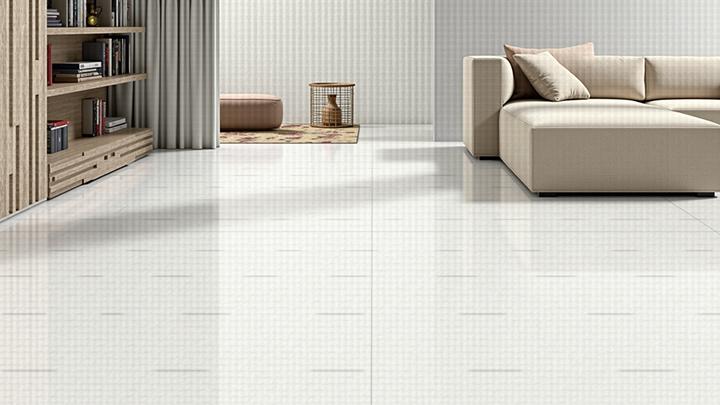
When to Choose Ceramic Vs. Porcelain
Best Applications for Ceramic Tile
- Wall tile in bathrooms, backsplashes, or feature walls
- Low-traffic residential floors (e.g., bedrooms, hallways)
- Projects where budget is the primary constraint
- Decorative patterns with glazed ceramic tiles in various colors
Best Applications for Porcelain Tile
- High-traffic commercial floors (retail, restaurants, airports)
- Outdoor patios, pool surrounds, and rooftop terraces (using 20mm+ thick porcelain)
- Wet areas (bathrooms, saunas, laundry rooms)
- Large-format seamless looks in open-plan spaces
Key Industry Standards You Should Know
When sourcing tiles, always check compliance with these standards: ISO 10545 (ceramic tile test methods), ANSI A108 (installation), and EN 14411 (European standard). Porcelain tile must meet ≤0.5% water absorption per ISO 10545-3. We provide test reports for every shipment upon request.
“Porcelain tile’s water absorption of ≤0.5% makes it functionally waterproof, whereas ceramic tile absorbs moisture and is not recommended for exterior use in freeze-thaw climates.” — ISO 10545-3 standard data
Frequently Asked Questions
What is the main difference between ceramic and porcelain tile?
The main difference is water absorption: porcelain absorbs ≤0.5%, ceramic absorbs ≥3%. This makes porcelain denser, harder, and more water-resistant. For a deeper breakdown, see our comparison above.
Which is more durable – ceramic or porcelain tile?
Porcelain is generally more durable due to its higher density and lower porosity. However, a high-quality glazed ceramic can also perform well in residential settings. Always check the PEI rating (3+ for floors).
Can ceramic tile be used outdoors?
Standard ceramic tile is not recommended for outdoor use because it can absorb moisture and crack in freeze-thaw cycles. For exterior projects, choose porcelain tile with ≤0.5% absorption. Contigo Ceramics offers outdoor-specific 20mm porcelain tiles.
Is porcelain tile more expensive than ceramic?
Yes, porcelain typically costs 50–100% more per square meter at retail. However, factory-direct pricing from China can narrow that gap. Contact Contigo Ceramics for a FOB quote on both ceramic and porcelain options.
How can I tell if a tile is ceramic or porcelain?
Look at the unglazed edge or body. Porcelain is color-through (same color throughout the body) while ceramic often has a different colored body under the glaze. Also check the water absorption test on the technical data sheet.
External Reference: ISO 10545 ceramic tile standards
Making the Right Choice for Your Project
Ultimately, the decision between ceramic and porcelain depends on your specific project requirements. For budget-friendly wall applications or low-traffic residential floors, ceramic is an excellent choice. For demanding environments — outdoors, wet areas, or high-traffic commercial spaces — porcelain is the clear winner.
At Contigo Ceramics, we manufacture both types under one roof, ensuring consistent quality and factory-direct pricing. Our technical team can help you select the right tile based on your project’s exposure, traffic, and budget. With MOQ flexibility for container orders, we make it easy for importers and contractors to source directly.
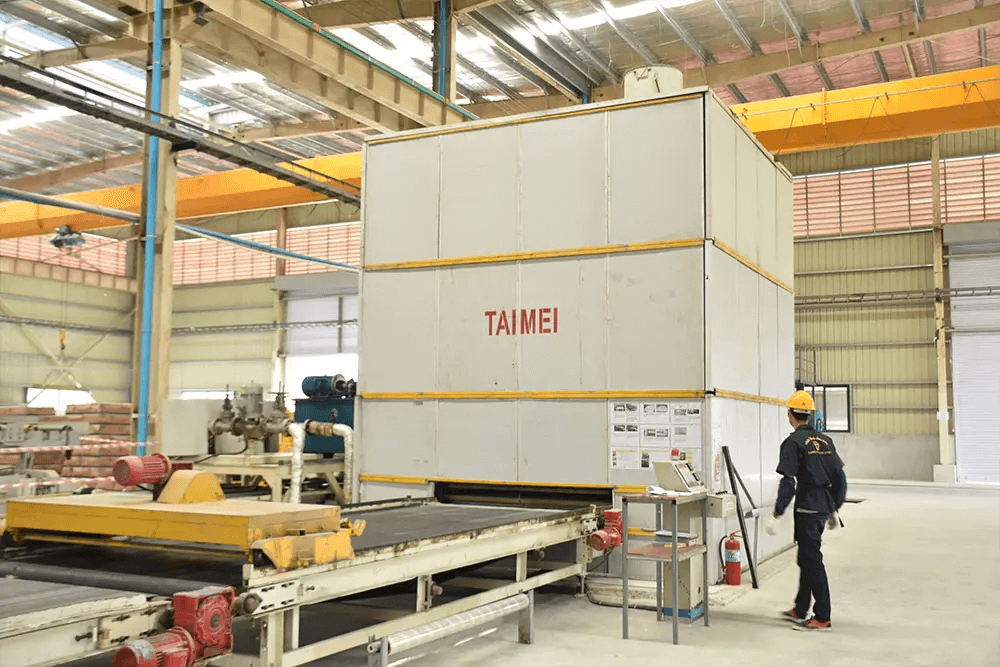
Before placing a large order, we encourage you to request free samples and review our test reports. We also offer factory audit visits for serious buyers. As an experienced manufacturer, we understand that the difference between ceramic and porcelain tile isn’t just a technical spec — it impacts your project’s longevity and cost.
Written by the Contigo Ceramics technical team, Foshan China.
Ready to source premium tile at factory-direct prices? Contact Contigo Ceramics today for a personalized quote and samples. Whether you need ceramic for a residential renovation or heavy-duty porcelain for a commercial project, we’ve got you covered.