Address
No. 3F07, Tao Cube, No.68, CCIH, Jihua West Road,Chancheng District, Foshan City, Guangdong, China.

Polished vs Matt Tiles: Which Finish for Your Project | Contigo Ceramics

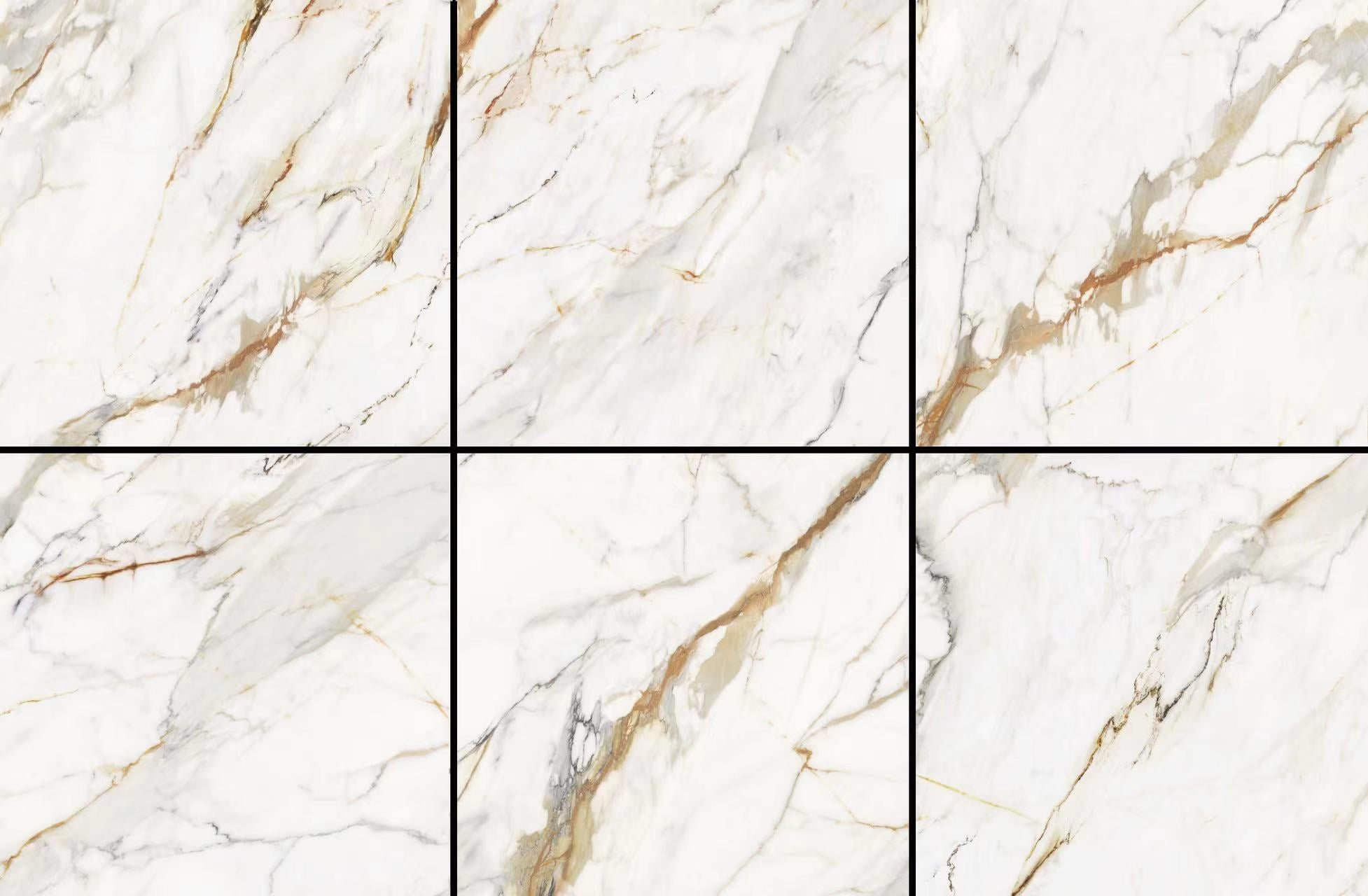
When undertaking a polished vs matt tiles comparison, both aesthetics and functionality must be considered carefully. The surface finish directly influences slip resistance, maintenance demands, and how light interacts with the room. At Contigo Ceramics, we help global buyers understand the factory-direct differences so you can specify with confidence.
Understanding Tile Finishes: Polished and Matt Defined
Before diving into the pros and cons, it helps to define what each finish truly means. A polished tile undergoes mechanical grinding and buffing to achieve a glossy, mirror-like surface. This process closes micro-pores and gives the tile its characteristic high sheen.
Matt tiles, by contrast, are left with their natural surface texture — either from the pressing process or a fine lappato finish that stops short of full gloss. The result is a non-reflective, often slightly textured face that masks dust and provides better grip. This fundamental difference drives every other aspect of the polished vs matt tiles comparison.
Gloss Levels and Light Reflection
Polished porcelain tiles can reflect over 80% of incident light, making small spaces feel larger and brighter. Matt finishes scatter light, rarely reflecting more than 20%. In a factory-direct context, you can choose the exact gloss level based on your project’s lighting design.
Polished vs Matt Tiles Pros and Cons: A Detailed Look
Each finish presents a unique set of advantages and drawbacks. A straightforward polished vs matt tiles pros and cons table helps, but deeper insights are needed for real-world application. Let’s break down the key points.
Appearance and Design Impact
Polished tiles deliver a luxurious, modern look. They emphasize veins in marble-effect porcelain and enhance the saturation of darker colors. However, glossy surfaces can visually show scratches and imperfections over time, especially in high-traffic areas.
Matt tiles excel in creating understated elegance and industrial chic styles. Their muted finish works beautifully with large format slabs, wood-look planks, and outdoor porcelain. Because they don’t highlight flaws, they maintain a consistent appearance longer in busy environments.
Maintenance and Cleaning
One of the biggest factors in any polished vs matt tiles comparison is ongoing care. Polished surfaces are more prone to showing footprints, water spots, and dust. They may require frequent mopping and specific pH-neutral cleaners to avoid streaks. While the surface is dense, some polished tiles have microscopic pores that can trap dirt if not sealed properly.
Matt tiles forgive day-to-day dirt far better. Their non-reflective texture hides smudges and light dust, reducing cleaning frequency. On the other hand, heavily textured matt tiles can trap grime in crevices, requiring occasional soft-bristle brushing. For most homeowners, matt wins on low-maintenance convenience.
Durability and Scratch Resistance
Porcelain itself is extremely hard, but the finish influences perceived durability. Polished tiles, despite their smoothness, can develop hairline scratches in the glossy layer under abrasive conditions — think sandy footwear. Once scratched, repairs are difficult.
Matt porcelain, especially through-body options, wears exceptionally well. Minor scratches blend into the matte topography. This makes them a favorite for commercial floors, entranceways, and outdoor areas. For projects demanding longevity with minimal upkeep, a matt porcelain tile from our factory might be the optimal choice.
A 2023 industry report noted that 67% of interior designers recommended matt finishes for kitchen floors and high-moisture bathrooms due to slip resistance and stain concealment, while polished remained dominant for feature walls and luxury retail spaces.
Which Is Better, Polished or Matt Tiles? Safety and Slip Resistance
Asking which is better polished or matt tiles often boils down to safety. Polished tiles, especially when wet, can become extremely slippery. They carry higher slip ratings unless an anti-slip treatment is applied, which may alter the appearance. This makes them less ideal for bathrooms, pool decks, and entryways without careful specification.
Matt tiles naturally offer more friction. Many factory-direct outdoor porcelain tiles, including our 20mm thick range, feature a structured matt surface with R10 or R11 slip resistance as standard. For families with children, elderly residents, or high-moisture zones, matt tiles provide peace of mind without compromising on style.
Where Each Finish Excels
- Polished: Living room feature walls, hotel lobbies, low-traffic bathroom floors, and display areas where reflection adds drama.
- Matt: Kitchen floors, shower floors, outdoor patios, restaurant dining areas, and any space where safety and low glare are priorities.
The Polished vs Matt Porcelain Tile Comparison: Technical Differences
When narrowing down to a polished vs matt porcelain tile comparison, technical specs matter. Polished porcelain is sometimes treated with a nano-coating during production to seal the surface. Matt porcelain often relies on the body’s composition for color and performance, meaning through-body color hides chips better.
Water absorption rates in both are typically below 0.5%, making them frost-proof and suitable for any climate. However, polished tiles may require more careful handling during installation — adhesive transfer and grout residue are more visible. Matt finishes simplify the installer’s job and reduce callbacks.
Cost Factors and Factory Direct Polished Matt Tile Prices
Our customers often investigate factory direct polished matt tile prices before making a large purchase. The polishing process adds an extra production stage, so polished tiles can be slightly more expensive ex-factory. However, the price gap has narrowed in recent years as technology improves.
When you buy directly from Contigo Ceramics, you bypass distributor markups. This means even premium large format polished tiles are accessible. For example, a 600x1200mm high-gloss white porcelain may cost only 5-8% more than its matt counterpart. We encourage buyers to request both samples to weigh the aesthetic value against the marginal cost. Learn more about our operations on the About Us page.
How to Choose Polished vs Matt Tiles: A Decision Framework
Knowing how to choose polished vs matt tiles requires evaluating four key areas: location, usage, lighting, and lifestyle. Begin by mapping where the tiles will be installed and the foot traffic they’ll endure.
- Assess moisture and slip risk. For wet floors, lean matt or specify a polished tile with added anti-slip treatment.
- Consider ambient light. Dark, north-facing rooms benefit from polished reflectivity; sun-drenched spaces might need matt to reduce glare.
- Think about design intent. Polished elevates formality; matt supports organic, minimalist, or rustic themes.
- Factor in maintenance. Be honest about your cleaning habits — matt is far more forgiving.
Finally, always test physical samples under your project’s lighting. Photographs misrepresent how polished shine or matt texture truly appears. You can request free samples via our contact form and a product specialist will guide you through the options.
Polished and Matt Tiles in Large Format Applications
Large format slabs (600x1200mm, 800x1600mm, 1200x2400mm) are popular for both finishes. In a polished vs matt tiles comparison, large sizes amplify each finish’s characteristics. Polished mega-slabs create seamless, reflective walls that expand spaces visually. Matt large tiles emphasize a monolithic, soft-touch surface ideal for modern residential and commercial floors.
From our factory, we produce large formats with precise rectified edges for minimal grout lines. The same clay body ensures consistency whether you choose polished or matt. For mixed applications — matt floors and polished accent walls — the transition feels intentional and cohesive.
Why Factory-Direct Matters for Both Finishes
Sourcing a polished vs matt tiles comparison through a trade supply chain can mean inflated costs and limited stock. When you deal directly with Contigo Ceramics, you access the full catalogue, real-time inventory, and the ability to customize finishes. We can produce matt tiles with a specific R rating or polished tiles with enhanced anti-slip if needed.
Our quality control ensures color consistency between production lots — crucial when you choose matching polished and matt tiles for different areas. Explore our comprehensive tile range at our product category page. Whether you’re an architect specifying a hotel or a contractor sourcing for a residential build, direct pricing keeps your budget on track while delivering international standards.
Environmental and Health Considerations
Polished tiles often require more energy during manufacturing due to the polishing line, but both options are free from VOCs and do not trap allergens. Matt tiles’ ability to hide dirt may reduce the use of chemical cleaners, adding a small eco-advantage over time. For projects aiming for green certifications, we provide transparency on our production footprint — just reach out through the contact page.
Frequently Overlooked Aspects in a Polished vs Matt Tiles Comparison
One often-missed point is how the finish affects underfloor heating. Polished tiles conduct heat efficiently and the glossy surface can radiate warmth noticeably, though some find the glare underfoot a bit intense. Matt tiles perform equally well thermally but the diffuse surface can feel subtly warmer under bare feet.
Another nuance is sound. Polished surfaces reflect sound waves more, potentially creating echo in large, open spaces. Matt finishes absorb a fraction more sound energy, contributing slightly to acoustic comfort. For both, adding rugs or soft furnishings mitigates any issue.
Conclusion: Making the Right Choice for Your Project
Every polished vs matt tiles comparison ultimately returns to your specific needs: beauty, safety, maintenance, and budget. Polished porcelain offers undeniable glamour and brilliance, making small spaces feel expansive. Matt porcelain delivers enduring practicality, slip resistance, and a contemporary softness. With factory-direct access, you don’t have to compromise on quality or price.
Start your project with confidence. Visit our blog for more design tips and installation guides, or get in touch to discuss your requirements. Our team will help you weigh all the variables and ship the perfect tiles straight from our factory to your site.