Address
No. 3F07, Tao Cube, No.68, CCIH, Jihua West Road,Chancheng District, Foshan City, Guangdong, China.

Tile Shade Variation: Understanding V1-V4 Ratings | Contigo Ceramics

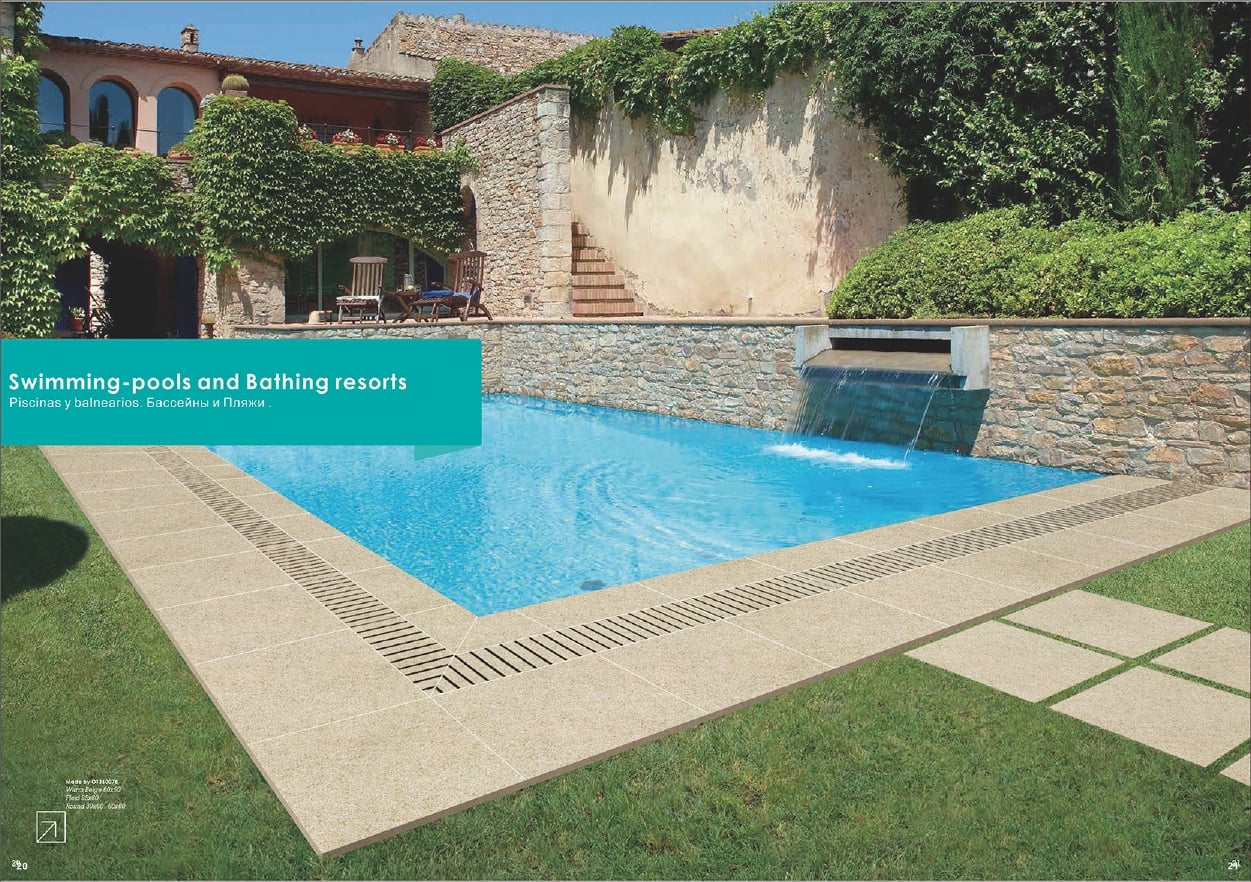
Nothing disrupts a sleek interior design faster than unboxing your dream tiles only to find mismatched shades. Yet shade variation is a completely natural characteristic of fired ceramics. A well-researched tile shade variation guide transforms this potential frustration into a manageable design tool. Understanding why tiles vary, how the industry classifies that variation, and what you can do about it separates a flawless installation from a costly disappointment — especially when buying directly from the factory.
What Is a Tile Shade Variation Guide?
At its core, a tile shade variation guide is a standardized reference system that communicates how much color and tone difference a buyer should expect between individual tiles of the same product. It exists because no two ceramic tiles are truly identical. Raw material batches, kiln temperature fluctuations, and glaze application subtleties all contribute to slight deviations. The guide uses a simple V-rating scale — from V1 (uniform) to V4 (substantial) — giving architects, contractors, and homeowners a clear expectation before installation begins. Without this framework, even professional installers can be unpleasantly surprised after a shipment arrives.
Manufacturers assign a V-rating to every tile collection based on deliberate aesthetic intent and production realities. For international buyers sourcing from a factory-direct supplier like Contigo Ceramics, interpreting this rating is critical because it directly impacts ordering quantities, blending strategies, and overall project satisfaction. When you browse our tile collections, you will notice each product line clearly indicates its shade variation class.
The V Rating System: A Practical Tile Shade Variation Comparison Guide
The industry standard for ceramic tile shade variation uses four levels. Using a tile shade variation comparison guide lets you match the correct rating to the desired visual outcome, whether that is a crisp monolithic look or an organic artisan feel. Below is a breakdown of each level and its practical implications.
V1 – Uniform Appearance
V1-rated tiles exhibit very little perceptible difference among pieces from the same production run. The color and texture appear essentially identical when viewed under normal lighting conditions. This rating is typical for solid-color polished porcelain, plain white subway tiles, and rectified technical floors where a monolithic surface is essential. Buyers seeking a seamless, high-end hotel lobby feel almost always select V1 products, and they remain one of our most requested exports.
V2 – Slight Variation
Here, you notice a subtle difference in hue or tone but within a tightly controlled range. The overall design intent remains uniform, and the variations rarely distract. Most wood-look porcelain planks and subtle stone-effect tiles fall into this category. For a project that wants a natural material aesthetic without dramatic contrast, V2 is the sweet spot. A good tile shade variation guide will advise installers to still mix boxes from multiple pallets with V2 products, a practice we always recommend.
V3 – Moderate Variation
A V3 rating signals that individual tiles may differ noticeably in color, veining, or textural depth. This is common with concrete-look, travertine-reproduction, and some marble-effect tiles. The variation is an intentional design feature — it adds authenticity and depth. However, it requires careful planning. Our technical team often provides a tile shade variation comparison guide specific to a project to help clients understand how a V3 floor will read once grouted and lit.
V4 – Substantial Variation
With V4 tiles, dramatic differences are expected and even celebrated. Random color shifts, bold veining, and varied patinas create a highly dynamic surface. Handmade-look encaustic patterns, certain slate replicas, and rustic terracotta effects fall under this rating. While visually striking, these tiles demand a blended installation approach and work best when the design embraces imperfection. If you intend to buy ceramic tile with shade variation this pronounced, we always recommend ordering extra material to allow for a generous layout dry-run.
“Understanding the V-rating before ordering is the single most effective way to prevent installation disputes. Almost 65% of tile claims originate from unmet shade expectations.”
— Ceramic Tile Industry Technical Advisory Report, 2023
How to Reduce Tile Shade Variation During Installation
Even with a comprehensive tile shade variation guide, on-site practices heavily influence the final visual result. Whether you are a contractor or a homeowner self-managing a renovation, several proven techniques can minimize the perception of unwanted variation.
- Blend from multiple boxes. Open at least three to five cartons simultaneously and pull tiles randomly from each. This distributes any batch-specific tonal clusters evenly across the floor or wall.
- Dry-lay a large area first. Before a single tile touches adhesive, arrange a representative section, step back, and check for harsh transitions. Adjust placement while the layout is still movable.
- Match lot numbers. When you buy directly from the factory, request that all crates come from the same production run. Even within the same V-rating, separate firings can shift tone subtly.
- Control jobsite lighting. Tiles lit by intense side windows appear different than those under temporary construction lamps. Evaluate layout under lighting conditions as close as possible to the final space.
- Use a wider grout joint tastefully. In some situations, a slightly wider joint helps visually separate tiles, softening the comparison between neighboring pieces.
Our factory-direct model helps how to reduce tile shade variation before the product even leaves our facility. By batching large orders from a single production run and storing them together, the inherent consistency is already high. Complement that with best-practice installation, and the final outcome will match the architectural vision.
Buy Ceramic Tile with Shade Variation: The Factory-Direct Advantage
When you buy ceramic tile with shade variation, the source matters enormously. A traditional retailer may hold limited stock from multiple disparate production runs, increasing the likelihood of noticeable mismatch. By contrast, ordering factory direct from Contigo Ceramics eliminates that middleman fragmentation. We maintain a consolidated inventory where entire container orders can be drawn from a single consistent batch — exactly what commercial projects demand. Our tile shade variation guide factory direct approach gives you not just a V-rating on paper but a supply chain that respects it.
Moreover, direct communication with our quality control team lets you discuss shade variation concerns before finalizing the order. You can request batch samples, review high-resolution photos of the current run, and even receive a detailed lot-specific variation report. This level of transparency is impossible when buying through multiple layers of distributors. For clients who want to purchase large-format porcelain or 20 mm outdoor tiles with precisely managed aesthetic expectations, the factory-direct relationship becomes a strategic asset. Learn more about how we control product consistency from raw clay to finished pallet on our About Us page.
Why Shade Variation Happens (and Why It’s Normal)
Many first-time tile buyers mistake shade variation for a defect. In reality, it is embedded in the ceramic manufacturing process. The raw clay body, mineral pigments, and frits all exhibit natural material fluctuations. During firing, tiles at the edges of a kiln may experience slightly different temperature curves than those in the center, affecting both body color and glaze reaction. A well-designed tile shade variation guide acknowledges this physical reality and categorizes it transparently, rather than pretending perfection exists.
Glossy polished tiles often show variation more readily because the reflective surface amplifies subtle tonal shifts. Matte and textured finishes tend to soften it. This is why our technical advisors frequently reference shade variation on product data sheets — it helps you choose not only a color but a surface treatment that aligns with your tolerance for difference. For more educational resources like this, visit our blog where we regularly publish in-depth installation and selection articles.
Leveraging Shade Variation as a Design Feature
Instead of fighting against variation, many award-winning interiors deliberately celebrate it. The key is selecting the correct V-rating to achieve an intentional rhythm. A kitchen backsplash in V4 mosaic tiles, for example, becomes a living canvas where kiln-fired variegation elevates a simple layout into an art piece. Architects specifying V3 concrete-look tiles for a museum lobby create a surface that feels authentic and organic, impossible to replicate with printed laminates. Any tile shade variation guide worth its salt will show you that variation is not error — it is architecture’s raw material.
When you explore our vast catalogue, consider ordering a trial kit of V3 and V4 samples. Seeing the physical range helps you make a confident creative decision. And if you ever have doubts, our technical team is just one message away.
Ensuring Consistency in Commercial and Residential Projects
For large-scale commercial applications — hotel lobbies, retail floors, airport concourses — consistency matters enormously. Here, the tile shade variation guide functions as a pre-installation contract between specifier and supplier. We supply project-based certification that declares the batch number, V-rating, and acceptable tolerance range. This documentation protects all stakeholders and streamlines the sign-off process. Combined with factory-direct ordering, it guarantees that what is unboxed on-site matches the approved sample.
Residential customers also benefit. A homeowner installing 1200×2400 mm porcelain slabs throughout an open-plan living area needs to know a V1 rating is reliable, or that a V2 wood-look floor will deliver enough natural character without clashing. Being able to buy ceramic tile with shade variation confidently — backed by a factory-direct guarantee — transforms a stressful renovation into an informed purchase.
Your Partner in Informed Tile Specification
Contigo Ceramics has spent years perfecting not just our tile products but the clarity with which we present them. A robust tile shade variation guide lies at the heart of every successful transcontinental shipment we manage. By combining transparent ratings, consolidated batch production, and expert installation advice, we help clients worldwide achieve surfaces that look exactly as envisioned. The next time you specify tiles, don’t guess — reference the V-rating, prepare the site properly, and lean on a factory partner that understands why accurate guidance matters.
Ready to discuss your project’s